Beyond the Uniform: When Nigeria’s Security Forces Sat to Listen in Ikarama
-
by
saction_
The Military in the Dock
The presence of the military at a tribunal judging environmental crimes was nothing short of revolutionary—and deeply uncomfortable.
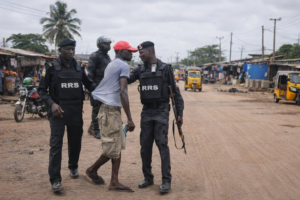
The Joint Task Force occupies a uniquely controversial position in Niger Delta environmental politics. Formed as a combined military and police operation to tackle security challenges including militancy and oil theft, the JTF holds a mandate to protect oil infrastructure. But for communities like Ikarama, this mandate has often placed the military on the side of the polluters rather than the polluted.
Criticism of the JTF runs deep in the Delta. Stakeholders and environmentalists have repeatedly called for investigations of all JTF commanders from the Olusegun Obasanjo administration to the present, alleging that security operatives protect “big oil thieves” while arresting only foot soldiers. An environmentalist, Morris Alagoa, revealed that when community members approach the military with information about illegal activities, intelligence is sometimes leaked to criminals, who then retaliate against the informants . A former naval official once made a presentation at a security summit frankly indicting military officers and top government officials of aiding, under-recording of export volumes at terminals—effectively participating in the theft they were deployed to stop.
The comparison drawn was damning: what happens in the creeks is “stealing with spoons,” while at the export terminals, “they are using drums”.
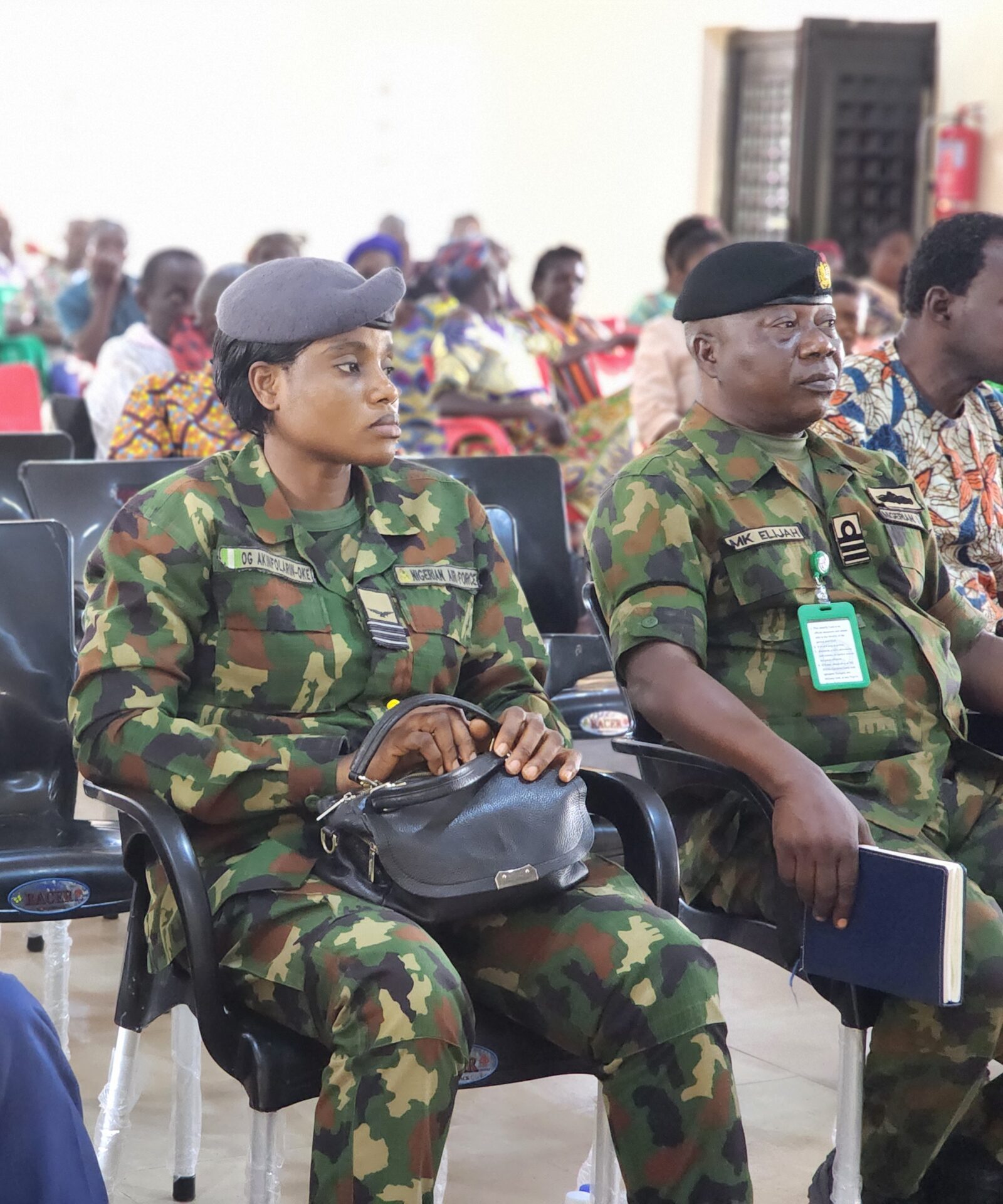
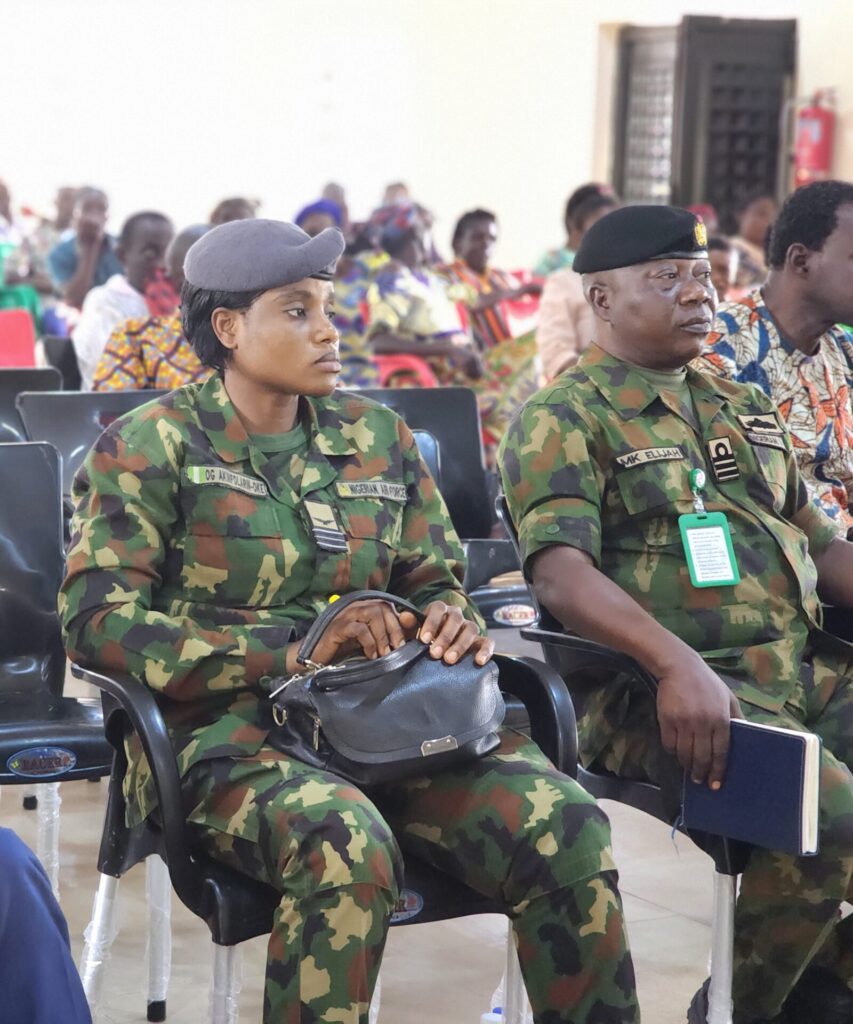
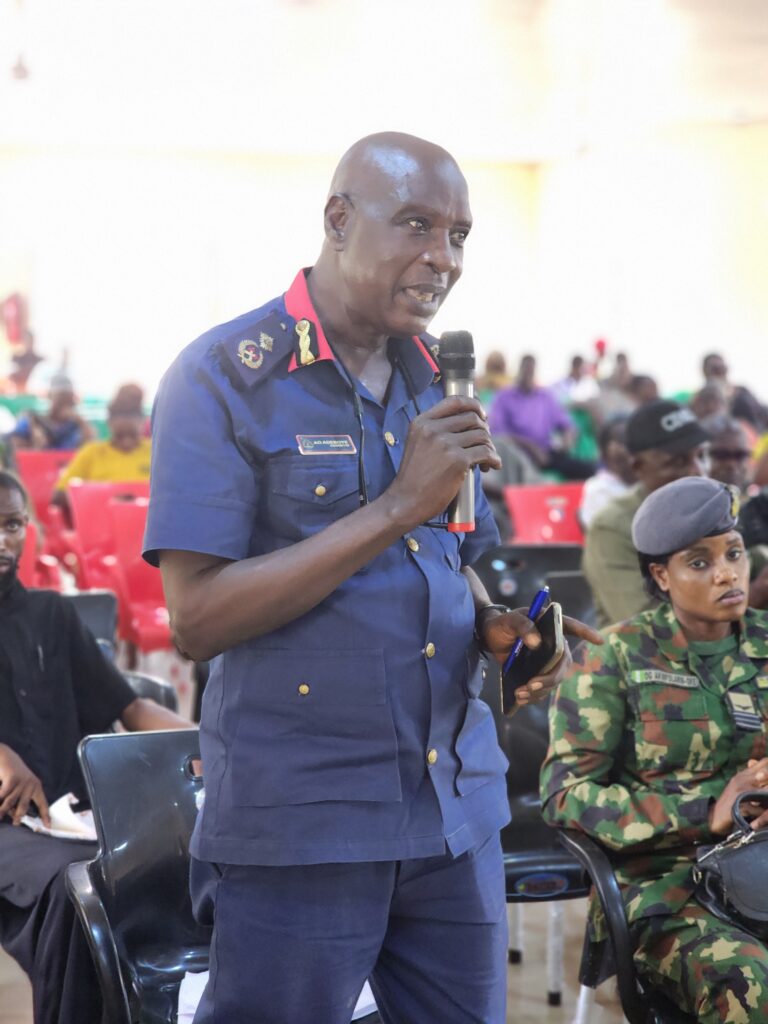
Yet here they were—representatives of this embattled institution—sitting silently as community members testified about the very crimes their colleagues were allegedly enabling.
Why Their Presence Mattered
The attendance of JTF commanders at a tribunal judging environmental crimes represented a seismic shift in accountability dynamics for several profound reasons.
First, it transformed ignorance into impossibility. For years, the military’s standard defense when confronted with allegations of complicity or inaction has been plausible deniability. By sitting through hours of direct testimony—hearing farmers describe crops destroyed, mothers describe children sickened, fishermen describe empty nets—the JTF representatives received first-hand, from the people’s voices, the raw truth. They heard, in real-time and in excruciating detail, exactly what their nation’s oil wealth was costing one small community. From this moment forward, inaction became conscious choice rather than oversight.
Second, their presence signaled a shift from policing to partnership—or at least the potential for it. The JTF’s mandate explicitly includes protecting “lives and property” alongside safeguarding oil infrastructure. Yet communities have long felt that the property protected was corporate while the lives endangered were theirs. By attending the tribunal, the military acknowledged—whether intentionally or not—that community welfare falls within its purview. The military had emphasised that they are working for the government and not for any company or any community. They insist their mandate is to protect oil and gas infrastructure, protect lives and property, and stop oil theft and bunkering. That mandate is for the whole nation. The tribunal provided an opportunity for Ikarama to hold him to those words.
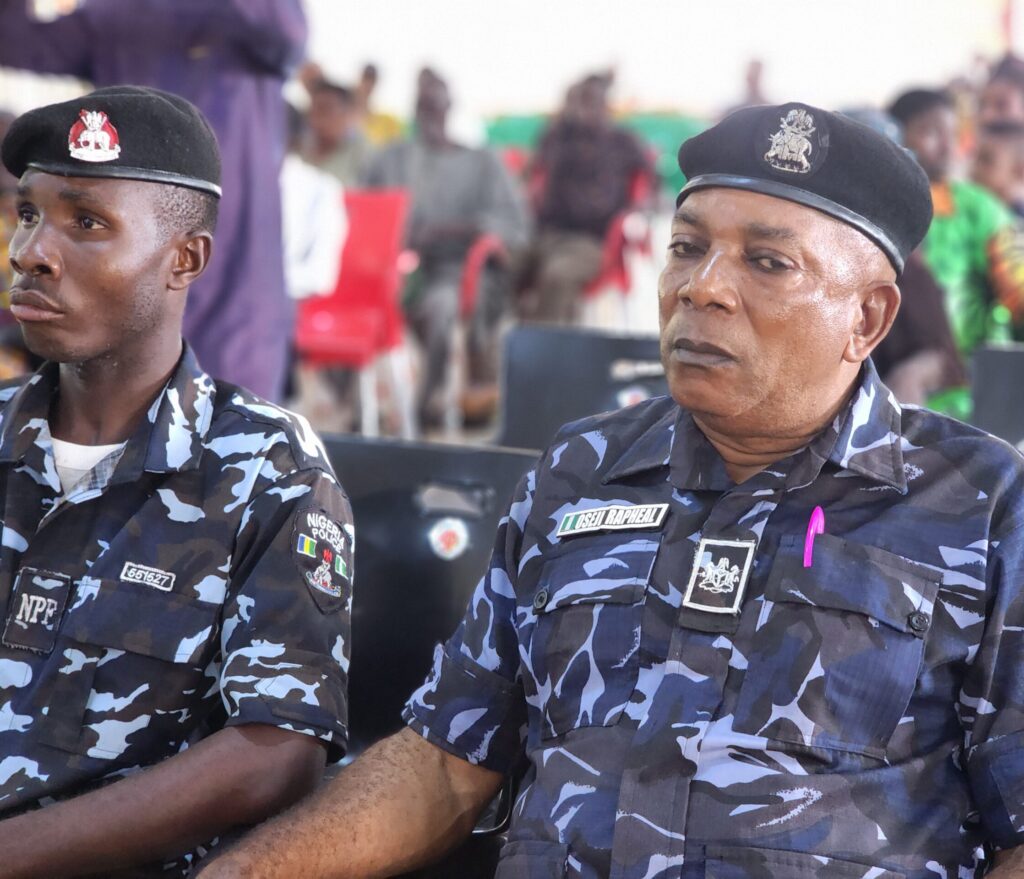
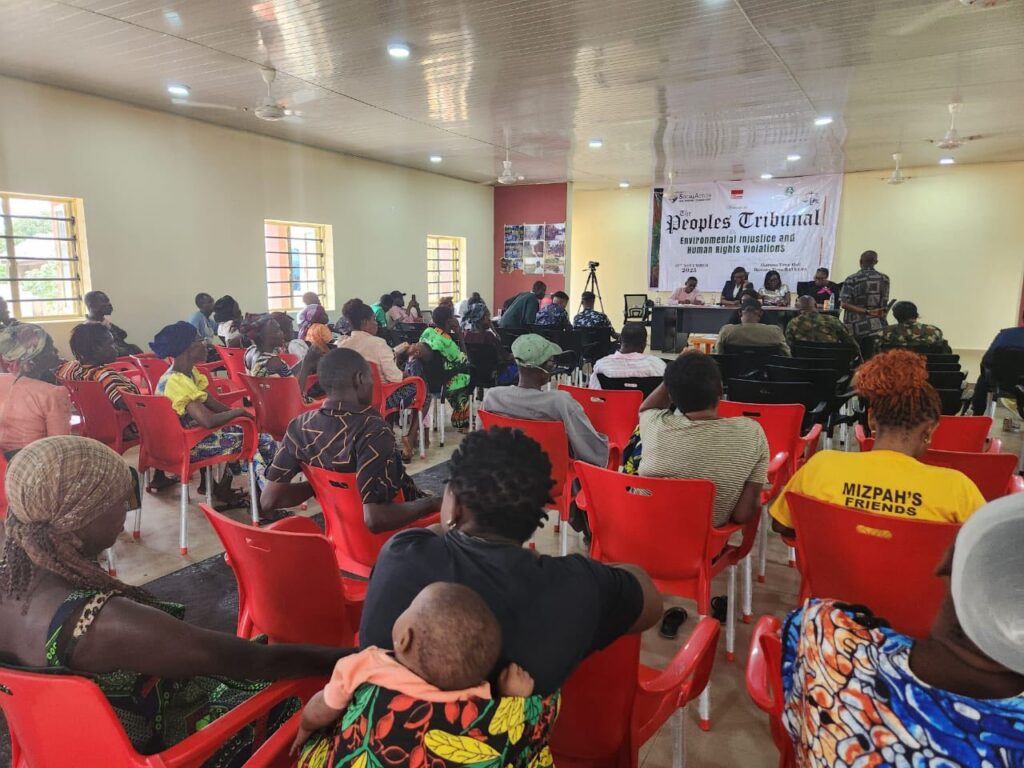
Third, their presence legitimized the tribunal’s findings. People’s Tribunals, for all their moral authority, can be dismissed as activist theater. But when state security institutions attend as observers, they transform the proceedings. What was a community complaint becomes an official inquiry. What were allegations become witnessed testimony. The JTF’s attendance meant that the tribunal’s verdict and recommendations could not be dismissed as the ravings of aggrieved villagers; they were now part of the official record known to Nigeria’s security apparatus.
Fourth, it created direct accountability channels. The JTF has established a Situation Room and Mediation Centre specifically to address disputes between oil companies and host communities. The commander noted that December recorded the highest number of interventions as tensions escalated under the Petroleum Industry Act, emphasizing: “The Petroleum Industry Act clearly defines everybody’s rights. That is why we set up a mediation centre and a civic centre. Communities should report companies, and companies should also report communities”. The tribunal proceedings provided Ikarama with a direct pipeline into this mediation mechanism.
Finally, and perhaps most crucially, the military’s presence challenged the sabotage narrative. For decades, oil companies have deflected responsibility for spills by blaming community members who vandalize pipelines—sometimes for compensation, sometimes for illicit refining. The JTF itself has complained that “some oil-bearing communities are undermining security operations against crude oil theft by leaking intelligence to suspects and enabling them to evade arrest”. But at the tribunal, community members presented evidence that many spills result not from community action but from corporate negligence—and in some cases, deliberate corporate malfeasance. The military, which has sometimes been complicit in enforcing the sabotage narrative, was forced to confront evidence that the story they had been told might be inverted.
A New Precedent
The significance of the military’s attendance extends far beyond Ikarama. Across the Niger Delta, communities have grown accustomed to security forces arriving only after spills occur—not to protect the environment, but to protect oil facilities from community protest. The relationship has been adversarial, sometimes violent.
By sitting through the tribunal, the JTF, Police and NSCDC signaled a potential shift toward what military spokespeople call “non-kinetic engagement.” The Director of Defence Media Operations has emphasized that the Armed Forces regard the media as “heroes of democracy” and critical partners in national security, acknowledging that failures in communication at tactical levels have resulted in serious strategic consequences. If this communication philosophy extends to community engagement, the Ikarama tribunal could mark a turning point.
The OPDS commander has also highlighted the military’s role in resolving Corporate Social Responsibility-related disputes, noting that mediation efforts involving companies such as Chevron, Aiteo, and Oando helped prevent production shutdowns and fostered a more conducive operating environment. The Ikarama tribunal represented an opportunity to extend this mediation function to environmental justice.
The Verdict and Its Implications
As the tribunal concluded and the community awaited its formal findings, one truth had already been established beyond dispute: the military and the police could no longer claim ignorance of Ikarama’s suffering. By their presence, the representatives of Nigeria’s security forces had become witnesses to the testimony. They had heard farmers describe the taste of water and fish from polluted water bodies including food harvested from the polluted land. They had listened as community member describe death due to suspected carcinogens from the air they breath the food they eat. Brothers describe death of loved ones as a result of the careless use of firearms by military personnel attached to the oil companies. They had sat silently as experts explained the toxicology of slow death.
The question now is what they will do with that knowledge.
Will the intelligence gathered at the tribunal flow upward through military channels and inform operational priorities? Will the JTF’s mediation centre treat Ikarama’s complaints with the urgency they deserve? Will the military’s presence at future spills reflect a new understanding that protecting “lives and property” includes protecting communities from the companies whose infrastructure they guard?
The answers remain unwritten. But by attending the tribunal, the military accepted a burden it cannot easily shed: the burden of knowing. And in the long struggle for environmental justice in the Niger Delta, knowledge is the first step toward accountability.
For the people of Ikarama, who have watched their land die and their children sicken while the world looked away, having the military in the room was not justice achieved—but it was justice acknowledged. And sometimes, in the fight against powerful forces, acknowledgment is the most powerful weapon of all