The Ogoni Test Case: Bayelsa Community leaders, CSOs, Researchers Visit HYPREP, Ogoniland to Learn and to Warn
-
by
Peter Mazzi
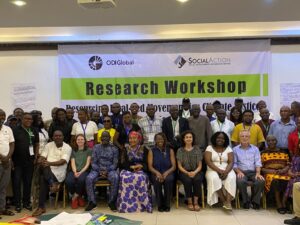
As efforts intensify to advance the implementation of the recommendations of the Bayelsa State Oil and Environmental Commission (BSOEC), members of the International Working Group on Petroleum Pollution and Just Transition in the Niger Delta (IWG), accompanied by Bayelsa community leaders, civil society organisations, researchers, and international experts, undertook a study visits to Ogoniland on 26 and 29 May 2026 to examine the ongoing work of the Hydrocarbon Pollution Remediation Project (HYPREP).
The visits formed part of a broader programme of research, stakeholder engagement, and evidence gathering being undertaken by the IWG as it explores pathways for translating the findings of the Bayelsa Commission into practical measures for environmental remediation, public health interventions, ecological restoration, and accountability across the Niger Delta.
The delegation included leading environmental advocates, researchers, community representatives, and development practitioners from Nigeria and abroad. Participants included Dr. Isaac Osuoka of Social Action, Professor Michael Watts of the University of California, Professor Engobo Emeseh of Aberystwyth University, Professor Anna Zalik of York University, Dr. Abisoye Oyeyemi of Niger Delta University and Oasis Health, Dr. Kathryn Nwajiaku-Dahou and Caitlin Stronge of ODI Global, Celestine Akpobari of the Peoples Advancement Centre, representatives of the Bayelsa State NGO Forum (BANGOF), community leaders, youth organisations, women’s groups, and other civil society actors.
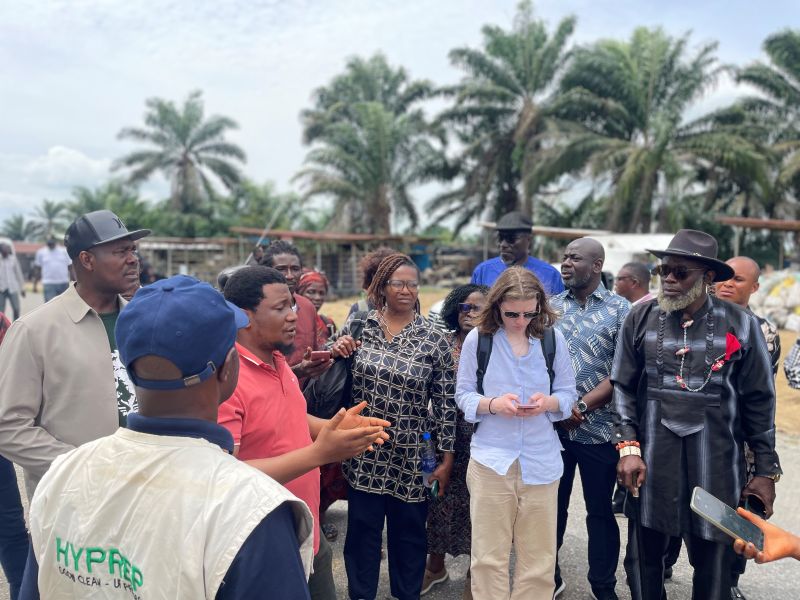
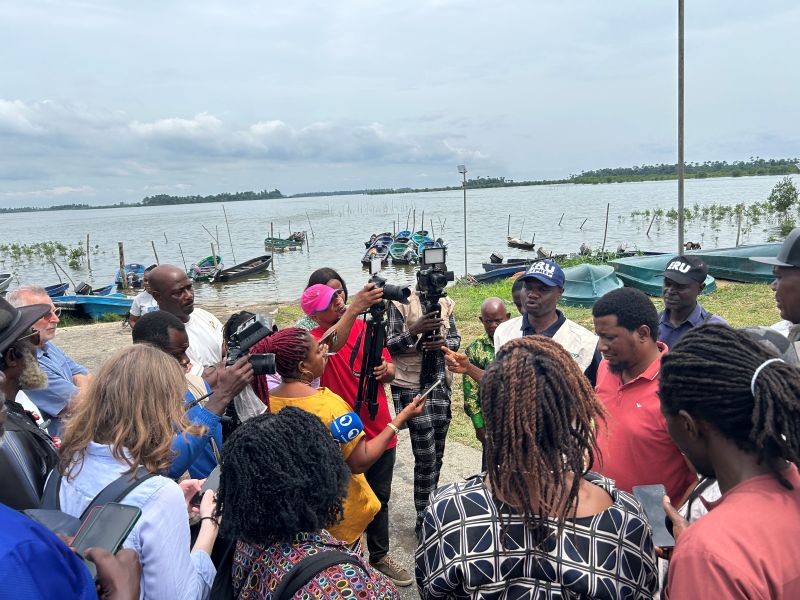
The composition of the delegation reflected the IWG’s conviction that environmental remediation is not solely a technical exercise but a process that must involve affected communities, scientists, policymakers, health professionals, traditional institutions, and civil society organisations.
WHY OGONILAND MATTERS
The visit was undertaken because Ogoniland remains the most significant example of a large-scale environmental remediation programme in the Niger Delta. Established following the publication of the landmark 2011 United Nations Environment Programme (UNEP) Environmental Assessment of Ogoniland, HYPREP represents the Federal Government’s principal response to one of the world’s most extensively documented cases of petroleum pollution.
For stakeholders from Bayelsa State, where the Bayelsa State Oil and Environmental Commission documented widespread contamination of land, groundwater, rivers, wetlands, mangroves, and human populations, the Ogoni experience offers valuable lessons.
The BSOEC report, An Environmental Genocide: Counting the Human and Environmental Cost of Oil in Bayelsa, Nigeria, documented alarming levels of pollution and serious public health consequences associated with decades of oil production. The report’s recommendations include a comprehensive programme of environmental restoration, health monitoring, public health interventions, institutional reforms, and mechanisms to ensure that polluters bear responsibility for remediation.
As discussions increasingly shift from documenting environmental damage to implementing solutions, the IWG sought to understand what lessons could be learned from HYPREP’s experience, what challenges have emerged during implementation, and what institutional arrangements may be relevant for future remediation efforts elsewhere in the Niger Delta.
VISITING REMEDIATION, RESTORATION AND PUBLIC HEALTH PROJECTS
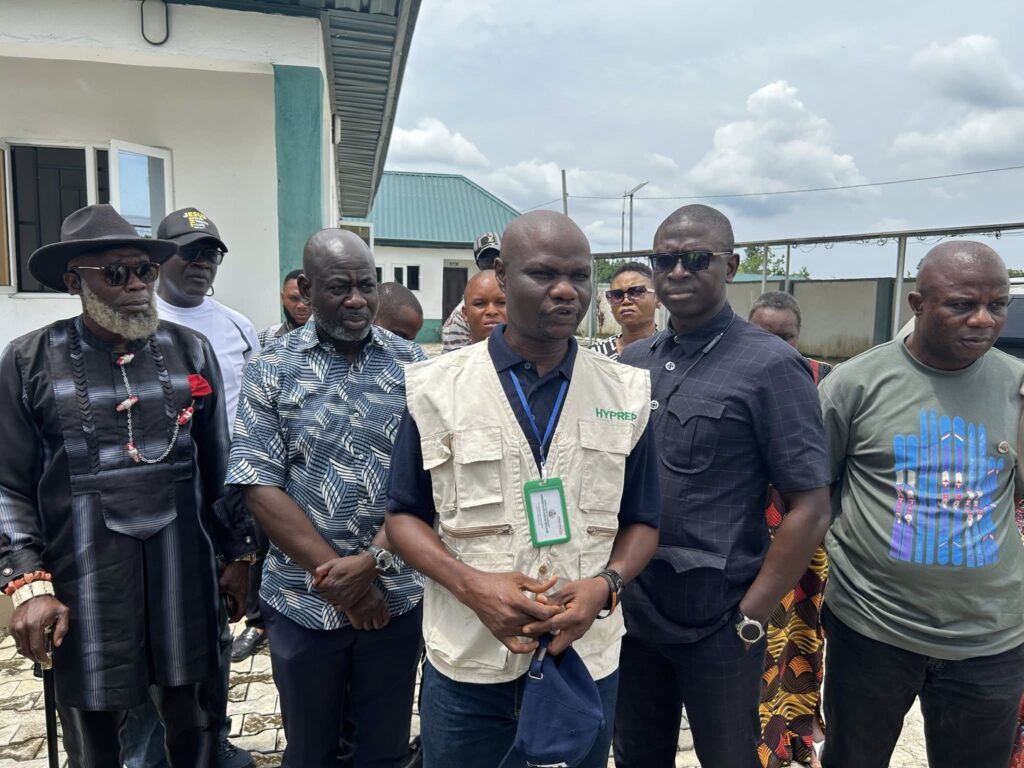
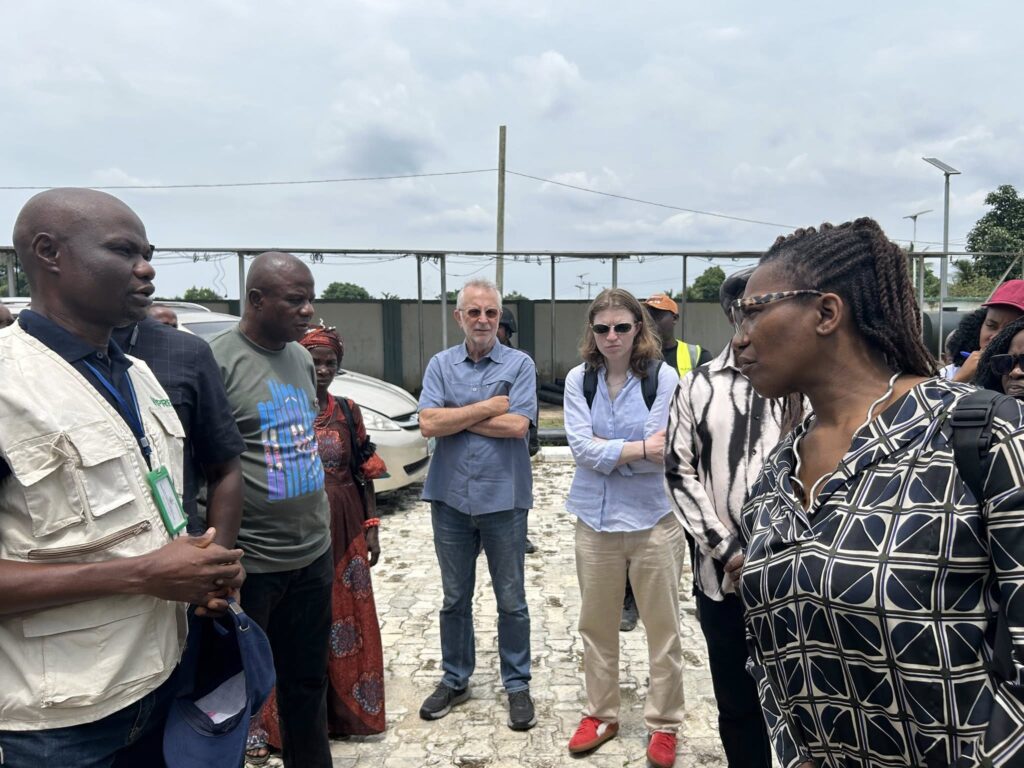
The delegation visited several HYPREP facilities and intervention sites across Ogoniland.
At Kporghor in Tai Local Government Area, participants toured a reticulated potable water facility established to provide clean drinking water to communities affected by groundwater contamination. Delegates received briefings on the design, operation, and maintenance of the system and discussed the broader challenge of ensuring long-term access to safe water in oil-impacted communities.
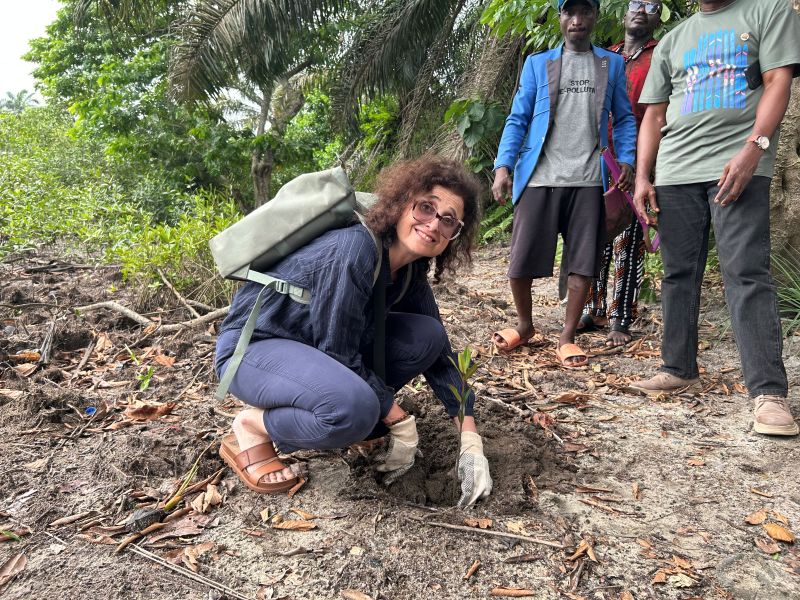
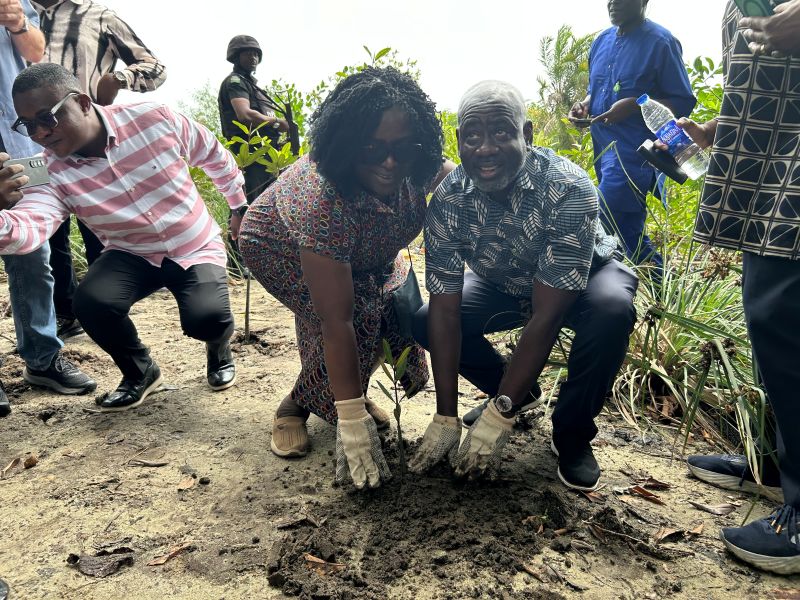
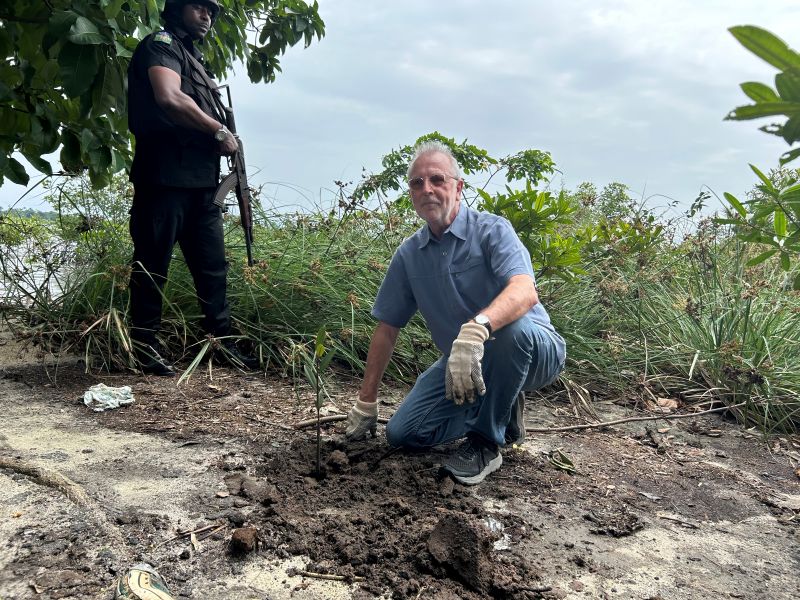
The group also visited the mangrove restoration project at Bomu in Gokana Local Government Area. There, HYPREP officials explained the methodologies being used to restore degraded mangrove ecosystems that have suffered extensive damage from oil pollution over several decades. Participants observed restoration activities and discussed ecological monitoring, community participation, and the long-term sustainability of restoration efforts.
The delegation toured the Centre of Excellence for Environmental Restoration at Wiiyaakara in Khana Local Government Area, which is expected to serve as a regional centre for environmental research, training, innovation, and capacity development. Delegates explored the role that scientific research and local knowledge must play in supporting long-term restoration efforts throughout the Niger Delta.
At Kpite, participants visited the Ogoni Specialist Hospital, a key component of the UNEP-recommended public health response. The visit generated important discussions about the relationship between environmental pollution and public health, particularly in light of the Bayelsa Commission’s findings concerning respiratory illnesses, cancers, reproductive health disorders, and other pollution-related health impacts.
The delegation also visited land and groundwater remediation sites in Eleme Local Government Area, where technical personnel explained ongoing remediation activities, environmental monitoring systems, and challenges associated with restoring heavily contaminated sites.
DIALOGUE WITH HYPREP LEADERSHIP
A major component of the visit was an extensive engagement with HYPREP management at the Project’s headquarters in Port Harcourt.
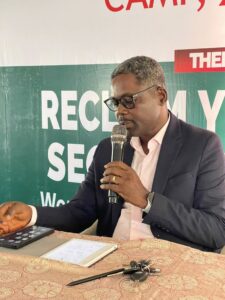
The Project Coordinator, Professor Nenibarini Zabbey, provided a detailed overview of HYPREP’s activities and implementation strategies. He explained that the Project is currently implementing all major recommendations contained in the UNEP report and outlined progress across various thematic areas, including environmental remediation, potable water provision, mangrove restoration, public health interventions, sustainable livelihoods, and research.
According to Professor Zabbey, potable water projects have been completed in 49 communities, while several major infrastructure and remediation projects are approaching completion. He emphasised HYPREP’s efforts to combine environmental remediation with scientific research, community engagement, and livelihood support.
He also highlighted HYPREP’s mangrove restoration programme, explaining that the project focuses on ecological restoration rather than simple tree planting and is guided by scientific baseline studies and monitoring systems. He discussed the use of innovative technologies and research partnerships designed to improve restoration outcomes.
Professor Zabbey further informed the delegation that more than 7,000 community members have been engaged through various project activities and that thousands have benefited from technical skills training and certification programmes.
He argued that HYPREP should be understood not simply as an Ogoni intervention but as a model whose lessons may eventually inform environmental remediation efforts elsewhere in the Niger Delta and beyond.
A LEARNING VISIT, NOT AN ENDORSEMENT
For the IWG and Social Action, the purpose of the visit was a learning and research exercise aimed at understanding what has been achieved, what challenges remain, and what lessons may be relevant for future remediation efforts across the Niger Delta.
Speaking during discussions with HYPREP officials, Dr. Isaac Osuoka emphasised the importance of learning from practical experiences on the ground. He noted that environmental restoration programmes must ultimately be assessed not only by project outputs and official reports but by measurable improvements in environmental quality, public health, livelihoods, and community wellbeing.
For the delegation, the visit raised important questions about accountability, transparency, scientific monitoring, institutional effectiveness, community participation, and the long-term sustainability of restoration efforts. These are issues that will be central to future discussions about implementing the Bayelsa Commission’s recommendations.
The delegation acknowledged visible investments in remediation, water provision, environmental restoration, health infrastructure, and research facilities. At the same time, participants stressed that meaningful environmental justice requires continuous engagement with affected communities and independent assessment of environmental and social outcomes.
LESSONS FOR BAYELSA AND THE WIDER NIGER DELTA
The Ogoni experience provides both inspiration and caution for communities across the Niger Delta.
On one hand, it demonstrates that large-scale environmental restoration programmes can be established when there is sufficient political commitment, scientific evidence, institutional capacity, and public pressure.
On the other hand, it highlights the complexity of environmental remediation in a region where pollution has accumulated over decades and where affected communities continue to demand accountability, transparency, and tangible improvements in their daily lives.
For members of the IWG, the visit reinforced the importance of developing remediation programmes that are community-centred, scientifically credible, transparent, adequately funded, and integrated with public health and livelihood initiatives.
The delegation also emphasised that environmental devastation extends far beyond Ogoniland. Communities throughout Bayelsa, Rivers, Delta, Akwa Ibom, and other parts of the Niger Delta continue to live with severe pollution and often lack access to comparable remediation programmes.
Consequently, participants argued that the lessons emerging from Ogoniland should contribute to a broader regional conversation about environmental justice, polluter accountability, ecological restoration, and the implementation of the recommendations of the Bayelsa State Oil and Environmental Commission.
SOCIAL ACTION’S LONG ENGAGEMENT IN OGONILAND
For Social Action, the visit to HYPREP was not a first encounter with Ogoniland or with the struggle for environmental justice in the area. Social Action has had a long history of engagement with Ogoni communities, civil society actors, environmental justice campaigners, and accountability processes before and after the publication of the UNEP Environmental Assessment of Ogoniland.
Over the years, Social Action has worked alongside affected communities and allies to document the impacts of oil pollution, amplify community voices, support advocacy for cleanup and compensation, and press government and oil industry actors to take responsibility for decades of environmental devastation. This work formed part of the wider civil society pressure that helped keep the Ogoni question on the national and international agenda.
Following the release of the UNEP report in 2011, Social Action continued to advocate for its full and credible implementation. Through research, public engagement, media advocacy, policy dialogue, community mobilisation, and collaboration with other environmental justice organisations, Social Action contributed to sustained pressure for the Federal Government and relevant institutions to move from acknowledgement of the crisis to concrete action.
In this sense, the May 2026 visit was both a continuation and a deepening of Social Action’s long-standing engagement. It provided an opportunity to observe how the implementation process has evolved, assess emerging lessons, and consider how the Ogoni experience can inform broader demands for remediation, public health response, and ecological justice across the Niger Delta, especially in Bayelsa State.
As the International Working Group continues its efforts to promote implementation of the BSOEC recommendations, the findings from the Ogoniland visit will contribute to ongoing research, policy engagement, advocacy, and dialogue on how best to secure environmental restoration and a just transition for communities across the Niger Delta.
For the IWG, the journey from environmental documentation to environmental justice is only beginning. The challenge now is to ensure that the hard lessons of Ogoniland help inform a more effective, accountable, and community-driven response to the wider environmental crisis facing the Niger Delta.