Billions Spent, Report Withheld: Court Strikes Out Audit Case Over Minor Technicalities
-
by
Peter Mazzi
Critical Appraisal of the NDDC Forensic Audit Case and the Judiciary’s Role in Democratic Accountability
The recent ruling by the Federal High Court in Port Harcourt striking out the suit filed by Social Action and its representatives over the non-disclosure of the Niger Delta Development Commission (NDDC) forensic audit report raises profound concerns—not merely about procedural technicalities, but about the broader trajectory of Nigeria’s judiciary in safeguarding democratic accountability and citizens’ rights.
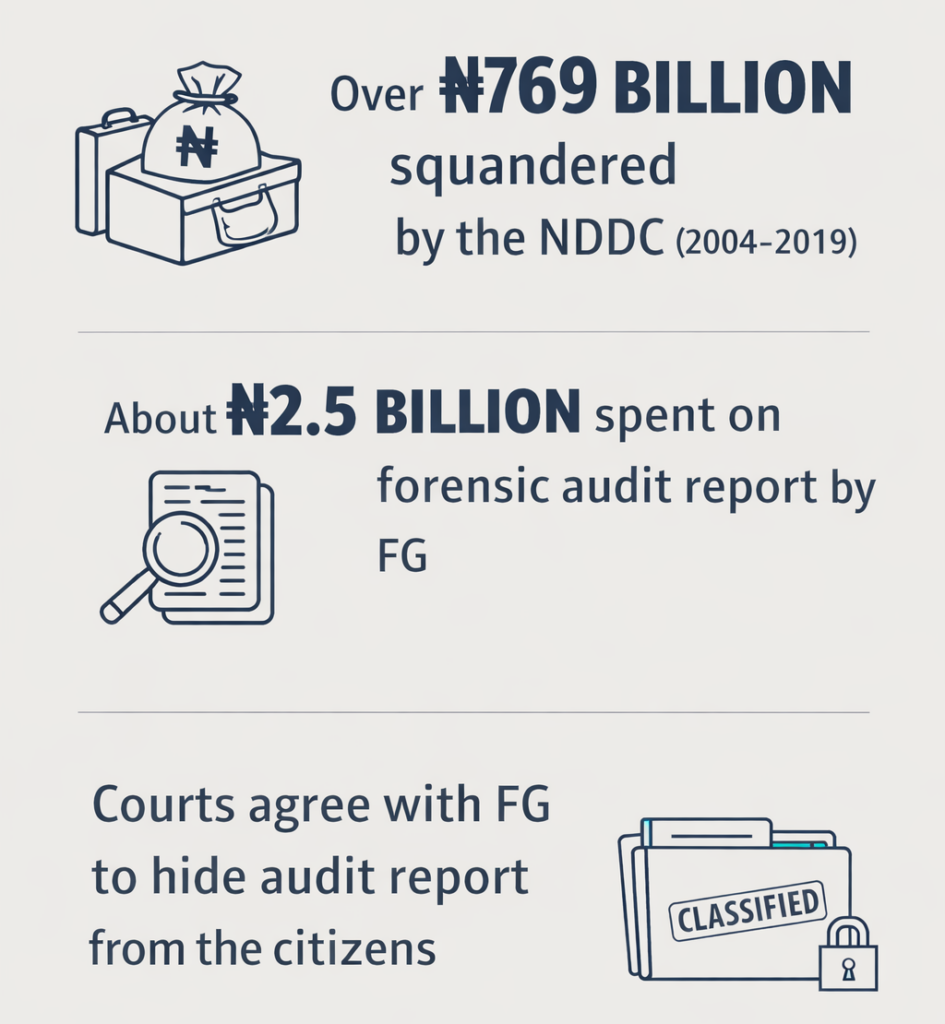
“Over ₦769 billion was allegedly squandered by the NDDC between 2004 and 2019, and about N2.5 billion spent to conduct the forensic audit report by the federal government but the courts seem to agree with the federal government to tuck away such sensitive and weighty document away from the knowledge of the citizens”
1. Framing the Case: A Civil Society Struggle for Transparency
At its core, this case is emblematic of a long-standing civic struggle for transparency in the management of public resources in the Niger Delta. Organizations like Social Action and Civil Rights Council have consistently positioned themselves as watchdogs—demanding accountability in sectors historically plagued by opacity, corruption, and elite capture.
The demand for the release of the NDDC forensic audit report is grounded in legitimate public interest. The audit itself was commissioned by the Federal Government and reportedly cost billions of naira—public funds derived significantly from oil revenues sourced from the Niger Delta. Social Action has carried out several monitoring of capital project executed by the Commission and done an extensive analysis and report of funds allocated to the commission and how they translate to short-change to the people of the Niger Delta in terms of commensurate developments (. For civil society actors, denying access to such a report is tantamount to withholding critical information that affects governance, development outcomes, and public trust.
2. Voices from the Plaintiffs: Legal Frustration and Resolve
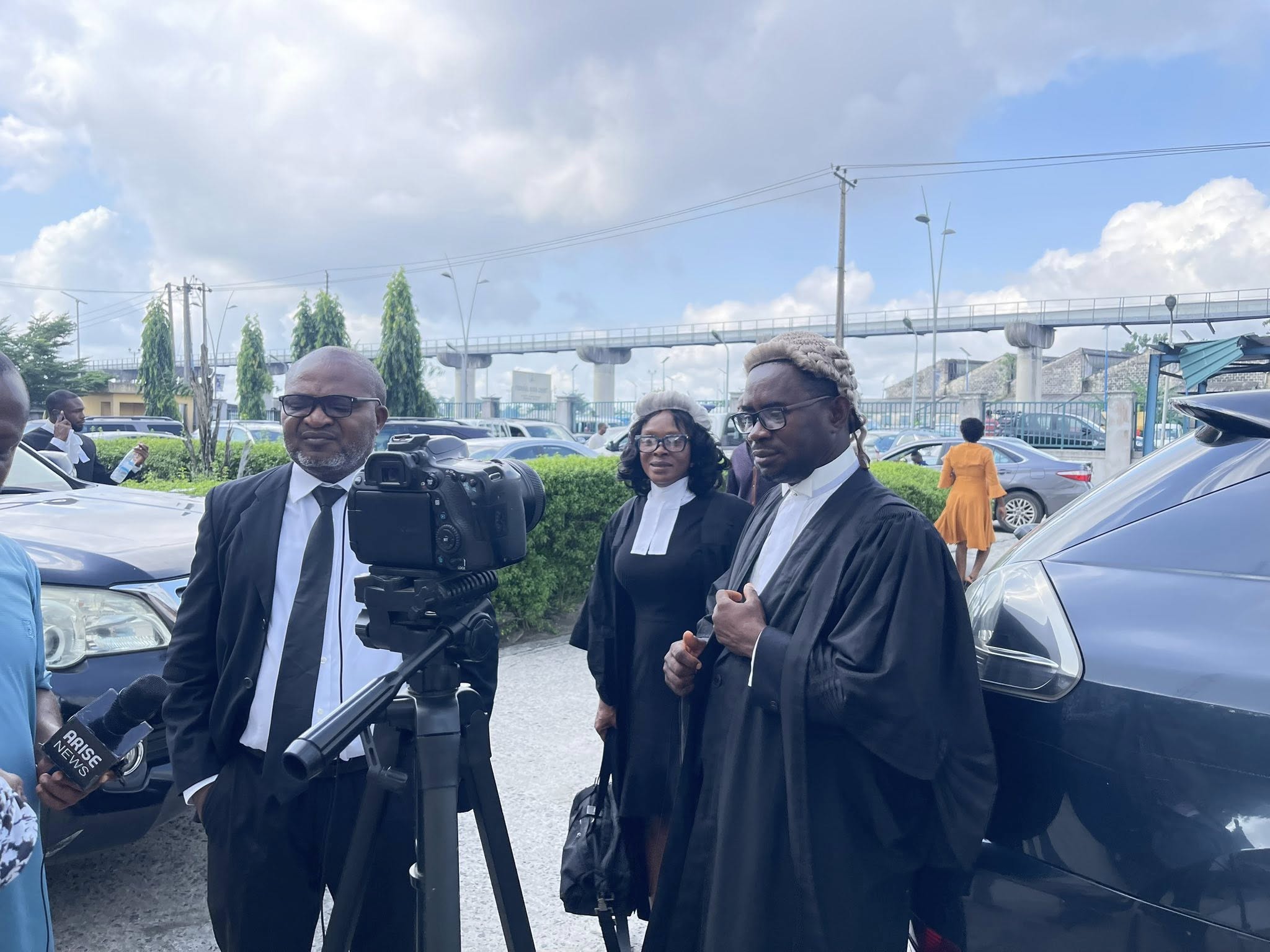
Reacting to the ruling, counsel to the plaintiffs, Victor Nweke, expressed dissatisfaction with the court’s decision while reaffirming their commitment to pursue justice:
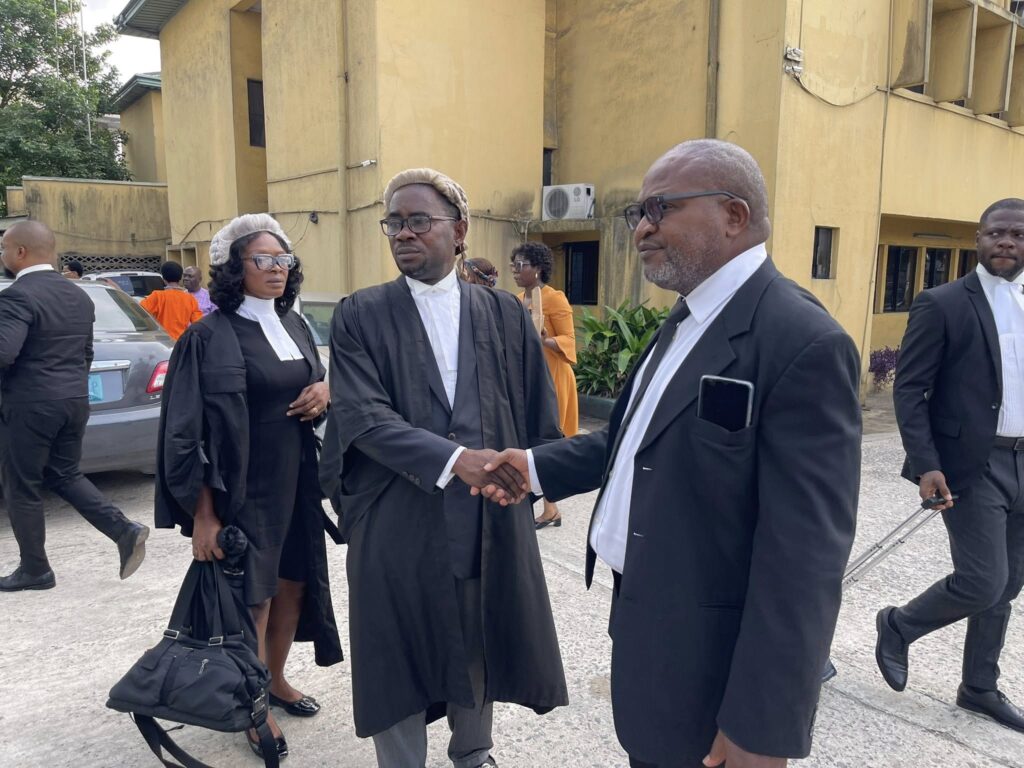
” When President Bola Tinubu took office, the Ministry of Niger Delta Affairs was abolished. Leveraging on that, we applied… we refiled our processes and removed the Ministry… We retained the Attorney-General of the Federation, knowing too well that he is the number one law officer of the Federal Republic of Nigeria.”
-Bar Nweke
“We are not satisfied because the matter was not dismissed. It was merely struck out. So we will still come because the court has the requisite jurisdiction to equally entertain the matter again.”
He further clarified the efforts made by the plaintiffs to address procedural concerns:
“When President Bola Tinubu took office, the Ministry of Niger Delta Affairs was abolished. Leveraging on that, we applied… we refiled our processes and removed the Ministry… We retained the Attorney-General of the Federation, knowing too well that he is the number one law officer of the Federal Republic of Nigeria.”
From a civil society perspective, these statements highlight both procedural diligence and the persistence required to hold public institutions accountable in Nigeria’s legal environment.
3. Judicial Technicalities vs. Substantive Justice
Justice Turaki Mohammed’s decision to strike out the case on procedural grounds reinforces a growing concern: the prioritization of technical compliance over substantive justice in matters of significant public interest.
While procedural rules are essential to the administration of justice, their rigid application in cases involving transparency and accountability risks undermining the judiciary’s constitutional role. The plaintiffs had already taken steps to amend their filings—raising legitimate expectations that the court would engage the substance of their claims.
Instead, the outcome reflects a cautious judicial posture that may inadvertently shield executive actions from scrutiny.
4. A Troubling Contrast: Judiciary Then vs. Now
The current judicial approach stands in stark contrast to the bold and principled decisions delivered during Nigeria’s military era by jurists such as Chukwudifu Oputa and Kayode Eso.
These judges, despite operating under authoritarian regimes, consistently:
- Elevated justice above procedural rigidity
- Defended fundamental rights
- Asserted the judiciary’s independence in the face of executive overreach
Their legacy underscores a critical point: judicial courage is most needed not in easy cases, but in politically sensitive ones—precisely like the present dispute over the NDDC forensic audit.
5. Implications for Democracy and Accountability
The implications of this ruling are far-reaching:
- Weakening of Transparency Mechanisms: Failure to compel disclosure undermines the spirit of access-to-information laws.
- Erosion of Public Trust: Citizens may lose confidence in the judiciary as a venue for accountability.
- Reinforcement of Executive Secrecy: Government institutions may feel emboldened to resist lawful demands for information.
For the Niger Delta—where governance failures have long translated into underdevelopment—this outcome is particularly consequential.
6. Aligning with Civil Society Mandates
The advocacy of Social Action and Civil Rights Council has consistently focused on promoting transparency, defending civic rights, and exposing governance failures in public institutions like the NDDC.
Their prior findings have pointed to:
- Mismanagement of development funds
- Systemic project abandonment
- Weak oversight mechanisms
Within this broader context, the demand for the forensic audit report is both strategic and necessary. It is a crucial step toward validating years of investigative work and ensuring that public officials are held accountable.
7. Strategic Outlook: Renewed Legal and Civic Action
Despite the setback, the plaintiffs’ legal team has signaled readiness to return to court. The fact that the case was struck out—not dismissed—creates an opportunity for re-filing with improved procedural framing.
Beyond litigation, civil society actors may also:
- Intensify advocacy campaigns
- Engage the media and international partners
- Mobilize public opinion around transparency demands
This case reflects a broader struggle over the soul of Nigeria’s democracy—whether institutions will serve the public interest or retreat behind technicalities. The determination shown by civil society actors, reinforced by voices like Victor Nweke, signals that the demand for accountability will not fade.
The judiciary, however, faces a defining moment: to either reclaim its legacy as a defender of justice—as exemplified by Chukwudifu Oputa and Kayode Eso—or risk being perceived as an institution constrained by the very technicalities it is meant to transcend.
For Social Action, Civil Rights Council, and the broader Nigerian public, the pursuit of transparency and accountability continues—both inside and outside the courtroom.