Citizens-Focused Policing Approach: Policing to Promote Human Rights and the Rule of Law
-
by
saction_
Asaba, Delta State
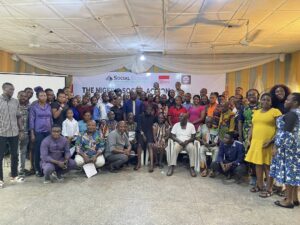
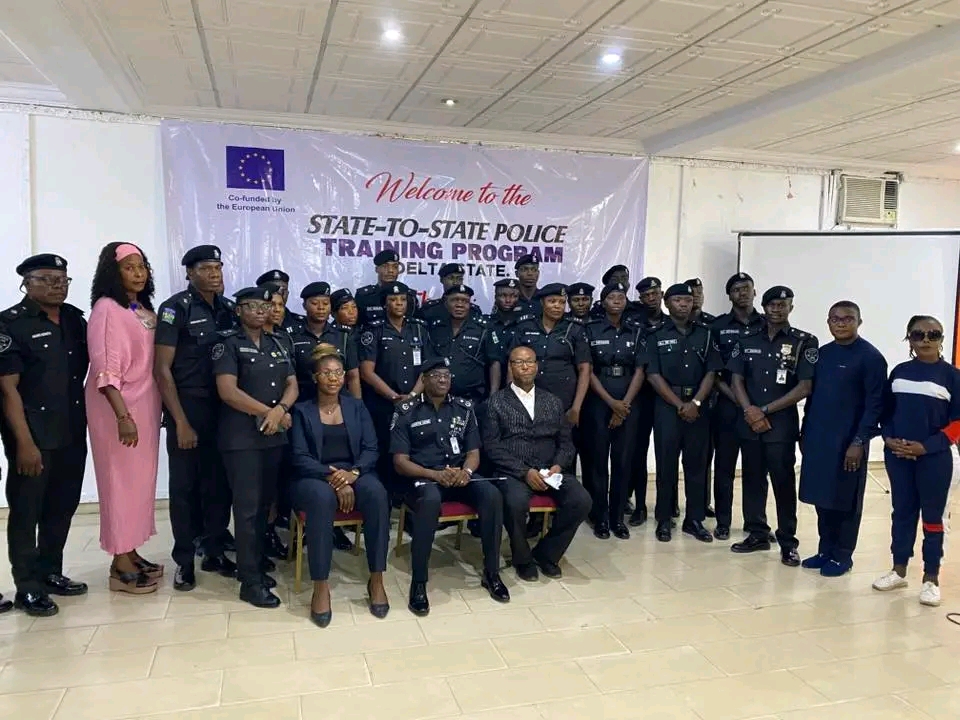
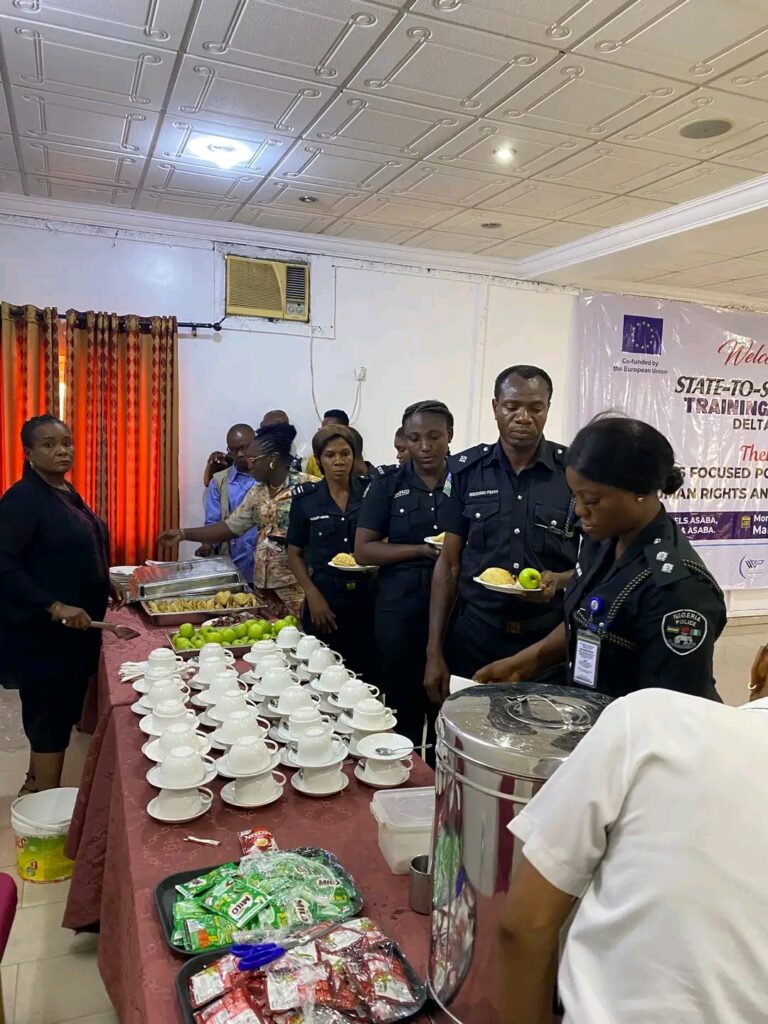
A high-level training programme aimed at reshaping policing practices in Delta State has concluded in Asaba, with a strong call for law enforcement to prioritize human rights, fairness, and accountability. The capacity-building workshop, held under the State-to-State Policing initiative of the Include Naija Project, was funded by the European Union (EU) and co-funded by the Rosa Luxemburg Foundation, as part of a broader effort to strengthen democratic governance and police accountability in Nigeria.
With the theme “Citizens-Focused Policing Approach: Policing to Promote Human Rights and the Rule of Law,” the event brought together police officers and legal experts to address the critical need for a more collaborative and rights-respecting security apparatus.
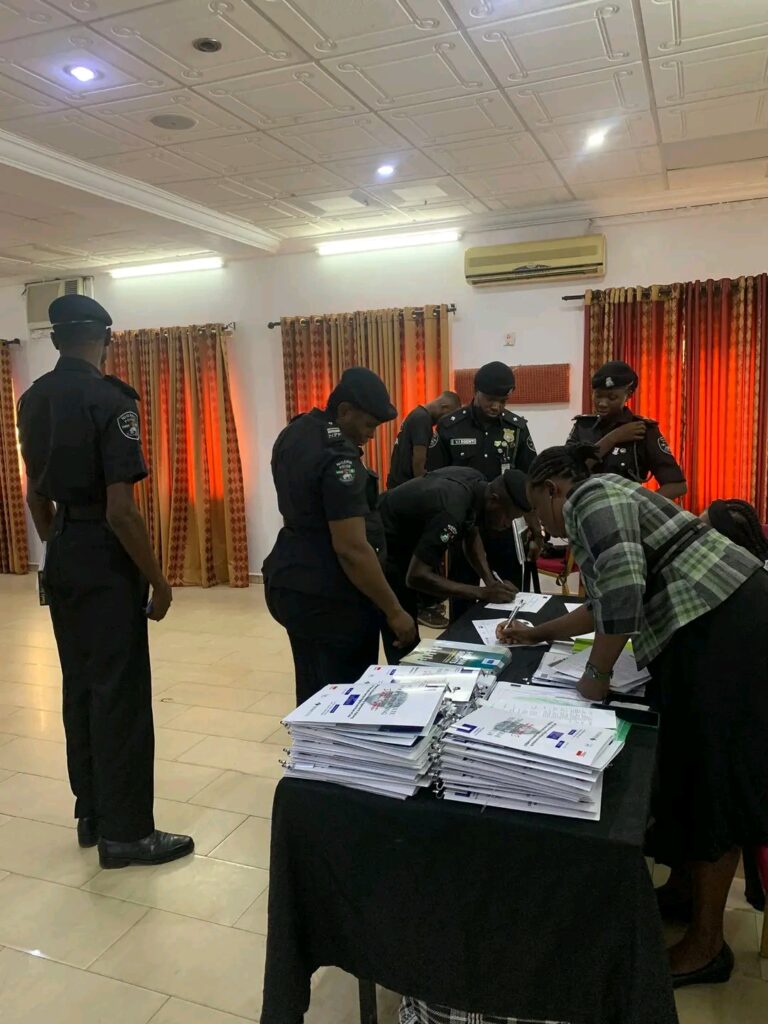
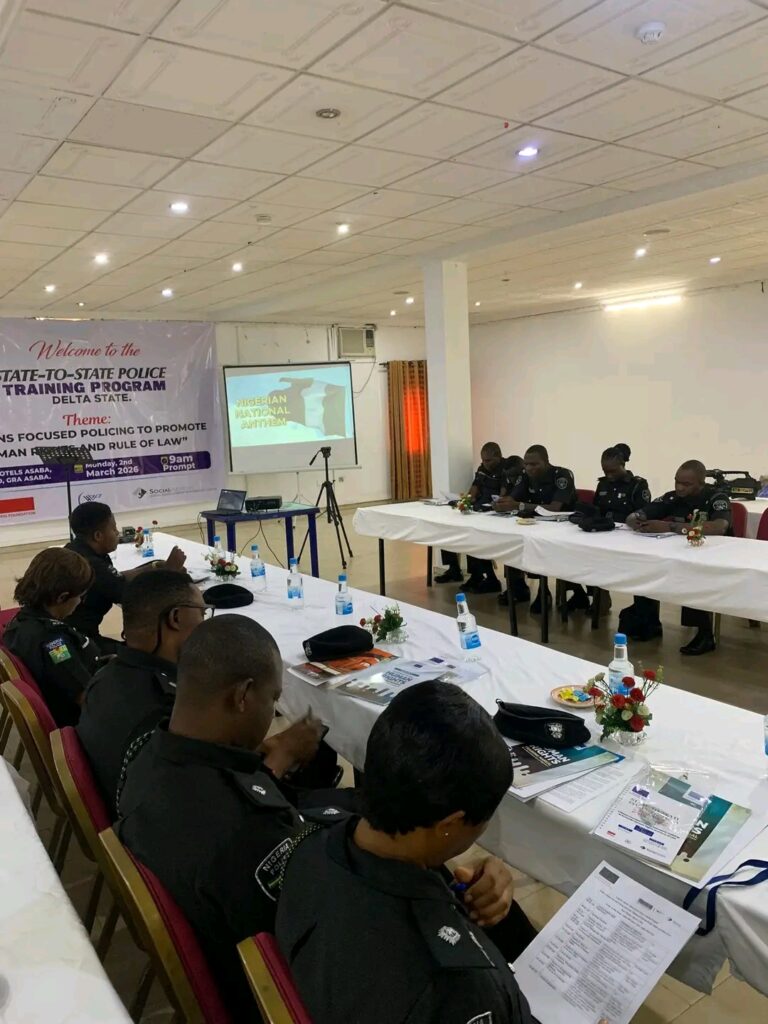
In his welcome address, Botti Isaac, speaking on behalf of the Executive Director, emphasized that the foundation of effective policing lies in public trust. He called on officers to strengthen human rights protections—particularly for women and children—and to improve public complaint management systems. Participants, he noted, were selected as “multipliers of knowledge” who are expected to drive institutional change within their respective commands.
Echoing this sentiment, the Deputy Commissioner of Police (Operations) for the Delta State Command underscored fairness as the cornerstone of public cooperation. “Trust is essential for effective policing and sustainable security,” he stated, adding that officers must be equipped with not only knowledge and skills but also the ethical discipline to uphold the law. He warned that ignorance of legal frameworks undermines policing and urged officers to master the laws guiding their actions.
A key theme of the training was the delicate balance between enforcing the law and protecting citizens’ fundamental rights. While criminal acts such as robbery, rape, and murder were identified as direct violations of human rights that police must confront, the session cautioned that the misuse of authority could turn enforcement itself into a rights violation.
During an interactive question-and-answer session, officers confronted operational realities that often complicate law enforcement. Discussions centered on the principles of arrest and detention, with facilitators stressing that arrest should not always be the first step. In many cases, investigations can and should begin before a suspect is taken into custody. A detailed case scenario involving an attempted kidnapping highlighted practical challenges, including the difficulty of conducting lawful searches without sufficient evidence and the need for clearer procedural guidance when dealing with uncooperative suspects. The role of vigilante groups as informal security partners was also examined, with calls for better coordination.
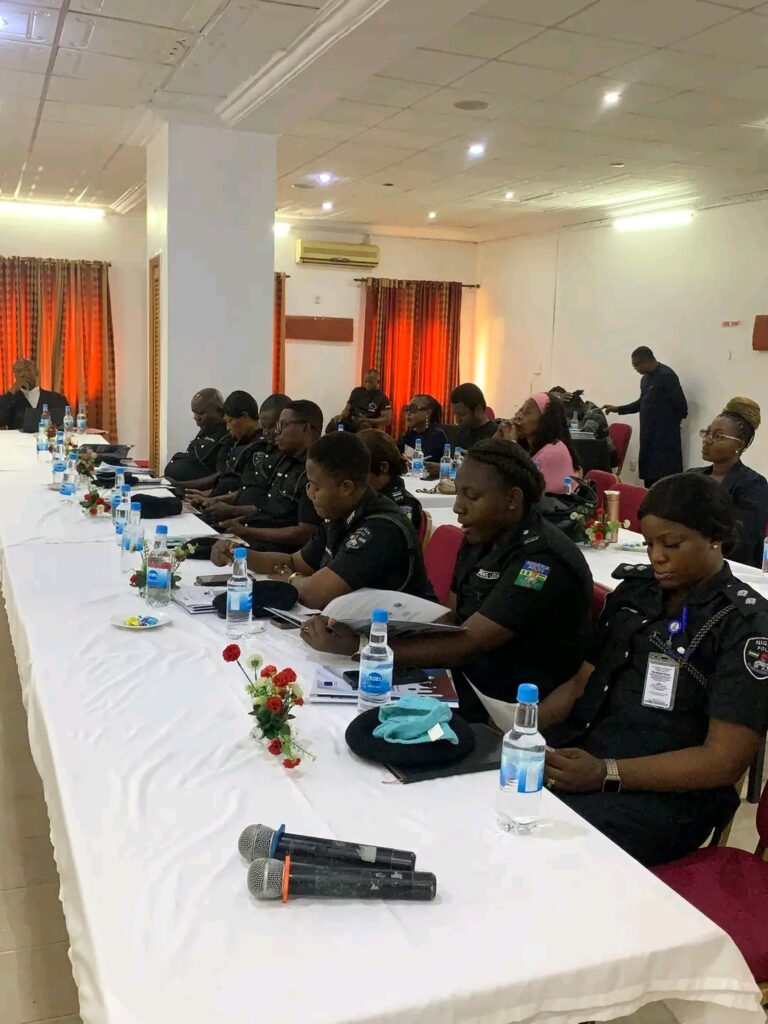
Legal expertise was provided by Barr. Odunna Fidelis Nduka, who led a session on the rule of law and democratic governance. He stressed that investigation must precede arrest and that proper evidence gathering is critical for successful prosecution. He identified premature arrests and poor investigative practices as major weaknesses that undermine justice, allow accomplices to evade accountability, and damage the credibility of the police force.
The training concluded with a reaffirmation of the need for a citizen-centred policing model in Nigeria—one where law enforcement upholds the rule of law, respects human rights, and actively builds trust through dialogue and accountability. Participants were urged to apply their newly acquired knowledge to help build a policing system that is professional, accountable, and responsive to the needs of citizens.
The Include Naija Project, under which this training was organized, continues to support institutional reforms aimed at promoting democratic accountability, social inclusion, and rights-based governance across the country. Through partnerships with state and non-state stakeholders, the programme seeks to ensure that policing in Nigeria aligns with international human rights standards