
Systemic Exclusion: Barriers to Youth Participation in Nigeria’s Democratic Governance
-
by
Peter Mazzi
The Broken Promise: Nigeria’s Youth and the Unfulfilled Dream of Political Power
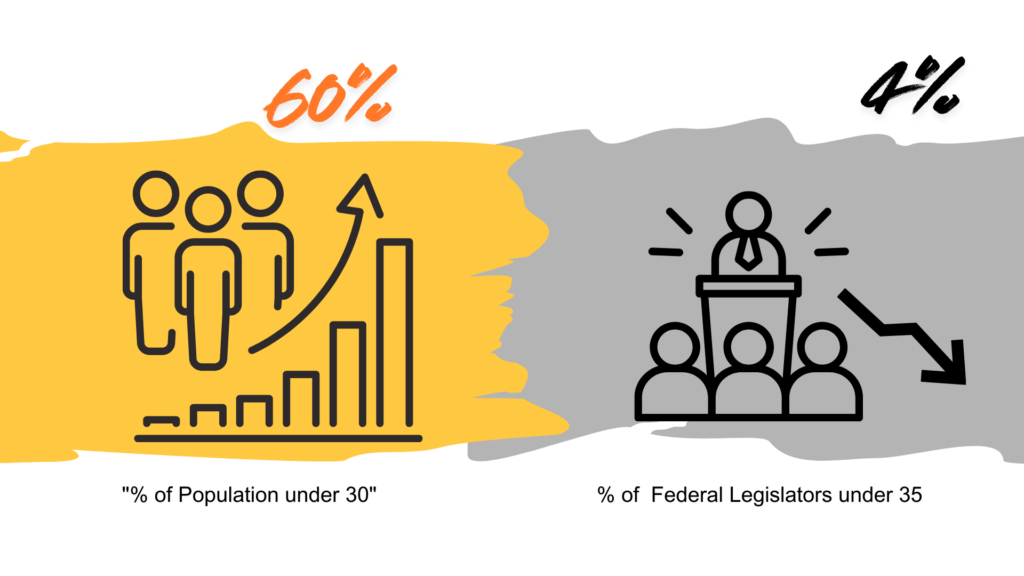
Nigeria is a country of the young. Over 60% of the population is below 30 years, yet the voices of young people are barely heard in the country’s political and governance spaces
Nigeria’s demographic landscape is dominated by its youth, with over 60% of the population below the age of 30. However, this vast reservoir of energy and innovation remains critically underrepresented in the nation’s governance processes. This exclusion persists not merely as a political failure but as a fundamental gap in the realization of active citizenship and the practical application of democratic rights. The passage of the Not Too Young to Run Act in 2018 was a significant legislative achievement, recognizing the constitutional right of youth to participate. Yet, years later, the transition from legal right to meaningful engagement remains stifled, highlighting a crucial deficit in civic empowerment and structural inclusion.
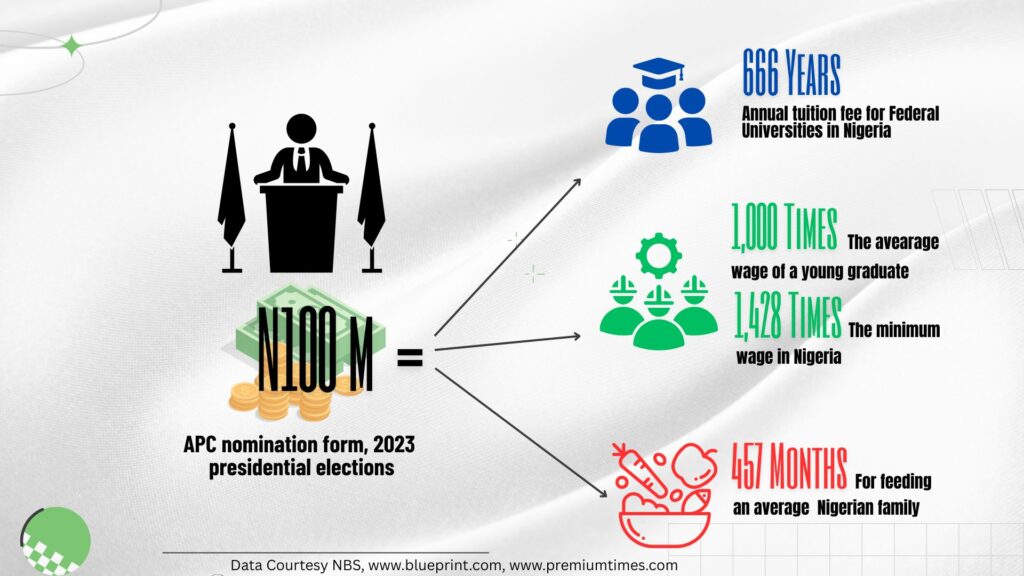
The chasm between this legal right and on-the-ground reality is starkly evident in the capital-intensive nature of the political arena. Prohibitively high costs of campaign fundings act as a systemic barrier that effectively disenfranchises the average Nigerian youth, reinforcing a cycle of elite dominance. For instance, the nomination form of the contesting the 2023 election for the seat of the president under the APC was a staggering N100 million. Some of the other parties where almost as expensive as well. From a civil society perspective, this is not just a political problem but a failure to safeguard the right to participate, a core democratic principle. It underscores the urgent need for civic advocacy focused on institutional reforms that protect this right, such as campaign finance transparency and subsidies that level the playing field.
Perhaps the most significant barrier is a deep-seated sense of disillusionment, which civic organizations identify as a crisis of trust in the democratic social contract. The 2023 elections served as a potent case study: despite unprecedented youth mobilization driven by a desire for change, experiences with logistical failures, INECs deliberate or inadvertent failure to deliver on it’s promise, violence, and judicial outcomes eroded belief in the process. This is not simple apathy but a rational response to a system perceived as unresponsive. It underscores the critical role of civic education in reframing participation—not as a single electoral event but as a continuous right and responsibility encompassing oversight, accountability, and advocacy between elections.
Consequently, many young Nigerians are channeling their energies into alternative forms of engagement like entrepreneurship and digital advocacy. While valuable, this shift away from formal governance structures represents a loss of perspective from the country’s largest demographic. Therefore, the work of civil society is to bridge this gap by empowering youth with the knowledge that their right to participate is immutable. This involves deliberate actions to foster a culture of active citizenship—where participation is understood as claiming a seat at the table, demanding accountability, and continuously working to make governance more inclusive and transparent, thereby transforming a symbolic legal victory into genuine, everyday representation.
The Unclaimed Power: Knowledge of Rights as Nigeria’s Catalytic Force
While the political arena remains a primary battleground for Nigeria’s future, a more profound and transformative struggle is underway: the fight for the universal knowledge and application of fundamental human rights. For the vast majority of Nigerians, particularly the youth, politics has become a distant, corrupt game that yields little tangible improvement in daily life. The real revolution begins not at the ballot box alone, but in the widespread understanding that dignity, justice, and basic necessities are innate rights, not privileges bestowed by a benevolent government.
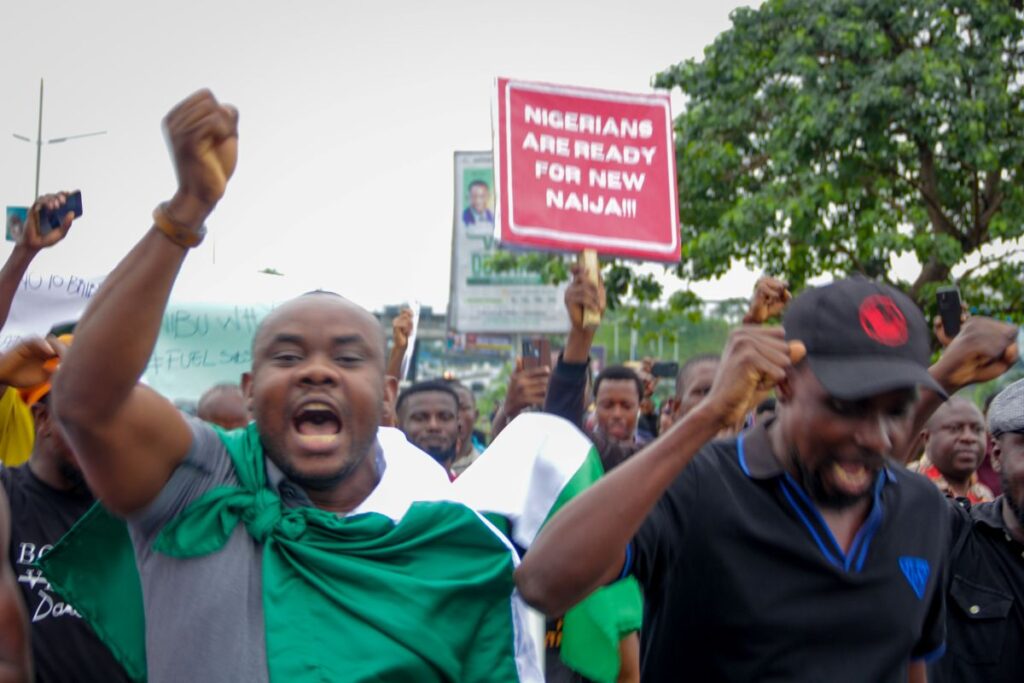
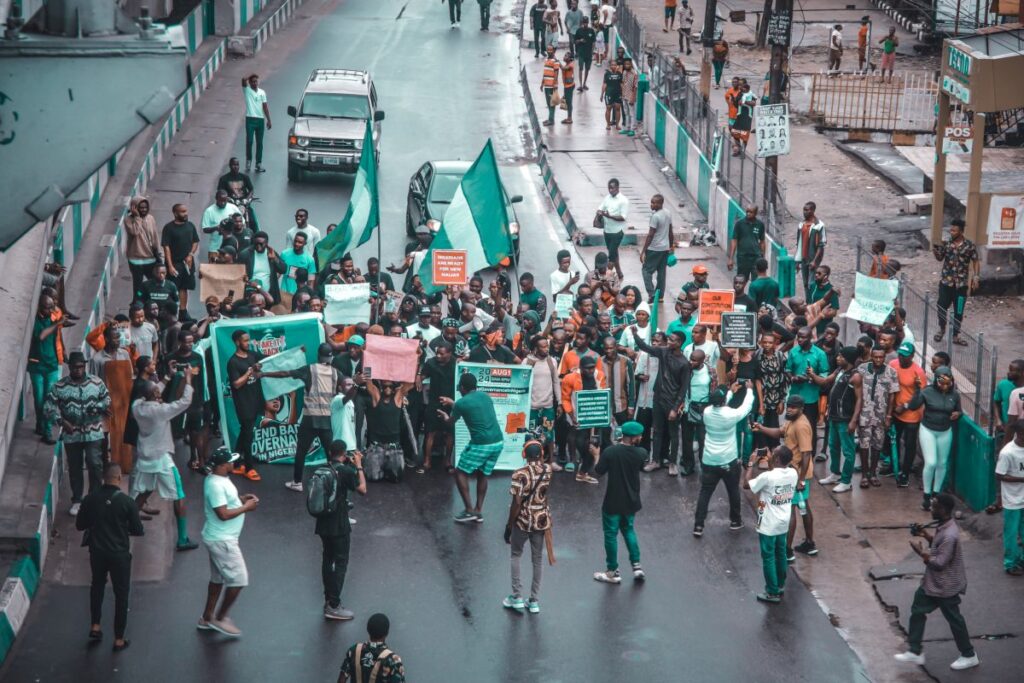
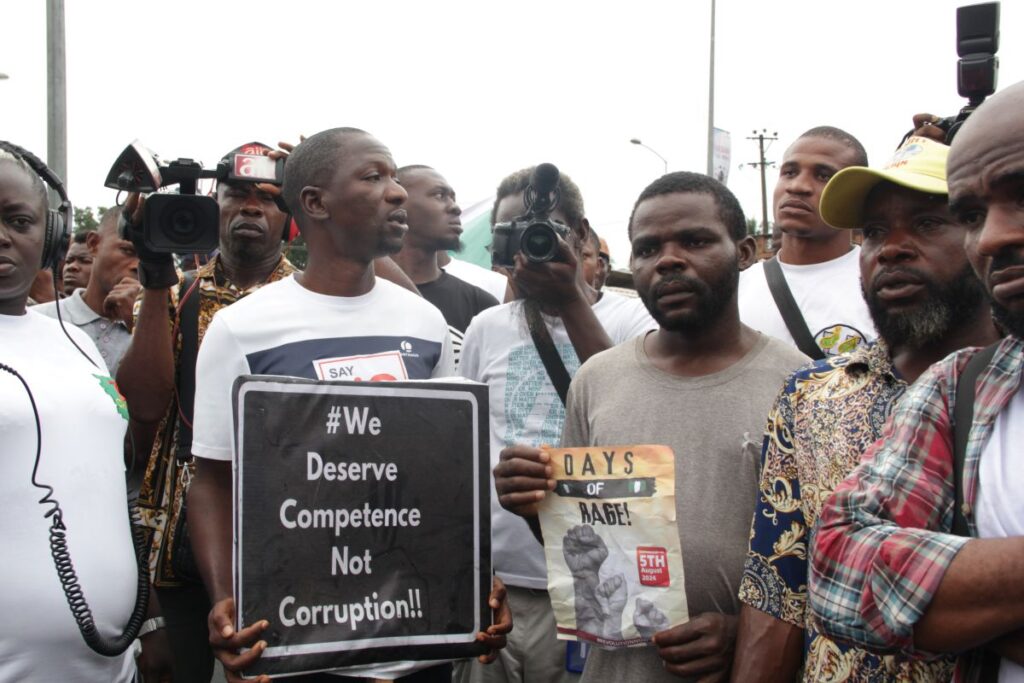
This awakening to rights-based consciousness is the bedrock upon which lasting political change must be built. We see its power in the courageous protests against police brutality under the #EndSARS movement. That was not a campaign for a political party; it was a raw, citizen-led demand for the right to life, security, and freedom from torture—rights enshrined in Chapter IV of the Nigerian Constitution and international treaties Nigeria has ratified. The movement’s potency, which shook the nation’s foundation, came from a collective realization that these rights were being systematically violated with impunity.
The import of this knowledge cannot be overstated. When a community knows it has a right to clean water under the Human Right to Water and Sanitation, their engagement shifts from begging the local government to demanding accountability. When parents understand that the Universal Basic Education Act mandates free and compulsory education for every child, they can challenge the endless levies and crumbling infrastructure that keep their children out of school. This transforms citizens from passive recipients of poor governance into active claimants of their entitlements.
This rights-based framework provides a powerful lens through which to view political failure. The inability of the state to provide security is not just incompetence; it is a violation of the right to life. Rampant corruption that diverts funds for healthcare is not merely stealing; it is a denial of the right to health. Framing these issues as human rights violations elevates them beyond political promises and exposes them as fundamental injustices.
Therefore, the most critical work is happening off the political stage: in communities, online spaces, and classrooms where civic organizations are tirelessly educating Nigerians on their rights. This knowledge is the ultimate antidote to apathy. It empowers the youth to see that their power is not solely in running for office—a system currently rigged against them—but in consistently holding those in office accountable to the highest standard: the inviolable dignity of every human being. When this knowledge becomes universal, then politics will have no choice but to listen, adapt, and finally serve the people it was meant to represent.
Social Action on the Path to Bridge the Gap: Cultivating a Generation of Citizen-Leaders
Recognizing the critical gap between Nigeria’s youthful population and its geriatric governance, Social Action has strategically positioned youth empowerment as the cornerstone of its mission. We based our operations on a powerful premise: that for democracy to be revitalized, young Nigerians must be equipped not just to vote, but to lead—transforming from passive observers into active, citizen-leaders who can confidently engage with and reshape power structures. This is not a mere political project; it is a comprehensive civic re-education aimed at fostering a generation that governs its destiny.

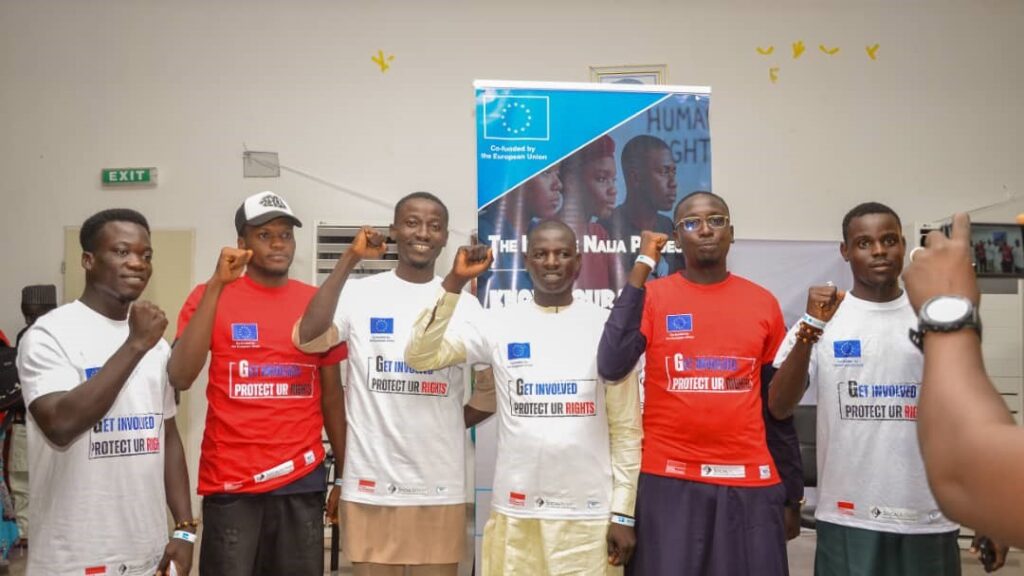
Constitutional and Policy Education: In a country where many are taught to fear authority, Social Action’s initiatives like “Know Your Rights, Know Your Power” flip the script. These workshops demystify the Nigerian Constitution, translating its dense chapters into practical knowledge. Participants learn that Chapter II, on Fundamental Objectives and Directive Principles of State Policy, outlines their right to education, shelter, and security—making these government obligations, not mere promises. This knowledge is revolutionary. A youth in Port Harcourt who understands the Environmental Impact Assessment Act can now formally challenge polluting companies, moving from protest to policy-driven advocacy.
Issue-Based Political Engagement: Moving beyond the tribal and partisan rhetoric that often dominates Nigerian politics, Social Action trains youth to engage on substance. In Borno State, a region ravaged by insurgency, this means facilitating dialogues where young people move beyond slogans to articulate specific, actionable demands for PTSD counseling services, educational infrastructure for displaced persons, and community-led security frameworks. This reframes their engagement from seeking patronage from politicians to presenting well-researched policy alternatives, forcing a higher level of discourse and accountability.
Civic Literacy and Mobilization: Understanding that power is never given but demanded, Social Action fosters grassroots mobilization through community study circles. These circles become incubators for local action. For instance, a group in Kano, trained in election observation, might use their smartphones and a shared WhatsApp group to document and report electoral malpractices in real-time, creating a citizen-led audit trail. Another group in Uyo might organize a peaceful “budget vigil” at their local government secretariat, demanding transparency in how constituency funds are allocated for road repairs, using the Freedom of Information Act as their tool.
Platforms for Advocacy: Training is futile if it remains in a hall. Social Action deliberately builds bridges between these empowered youths and actual decision-making spaces. They connect them with networks like the Civil Rights Council (CRC), introduce them to sympathetic officials in government agencies, and provide platforms to present their community-generated reports to their duly elected representatives. This ensures their refined arguments on healthcare funding or gender inclusion do not echo in a vacuum but are delivered directly to the desks of those in power.
In essence, Social Action’s programmes are a direct investment in the democratic immune system of Nigeria. They are not merely preparing youth for an election cycle but building a resilient, informed, and courageous generation that understands governance as their right, accountability as their demand, and active citizenship as their permanent vocation. This is the long, hard, but essential work of closing the gap between a nation’s promise and its people’s power.
Conclusion: From Demographic Dividend to Democratic Revival
Nigeria stands at a critical juncture. To build a sustainable, prosperous, and peaceful future, it can no longer afford to sideline its most potent asset: its youth. The exclusion of over 60% of the population from meaningful political and governance spaces is more than a failure of representation; it is an existential threat to the nation’s democracy, economic stability, and social cohesion. An alienated, disillusioned, and economically stranded youth population is a recipe for instability, as seen in the stark warnings of social unrest and the brain drain of its brightest minds abroad.
Conversely, the energy, innovation, and digital-native perspective of young Nigerians represent the most powerful catalyst for change. When properly guided, empowered, and equipped with knowledge, this energy can dismantle the entrenched systems of corruption, reshape inefficient governance structures, and drive the inclusive development that has eluded the nation for decades. The choice is clear: a demographic dividend or a demographic time bomb.
Social Action operates with a firm belief in the former. Our work is a direct investment in converting this potential into power. Through targeted civic education that frames basic services as fundamental human rights, through policy advocacy that equips youth with the tools to engage on substance, and through grassroots training that transforms agitation into organized action, we are nurturing a new archetype: the citizen-leader.
This generation is not waiting for an invitation to the table; they are learning to build their own. They are moving from hashtags to policy briefs, from protests to community-led development plans, and from political apathy to informed, issue-based engagement. They are redefining leadership not as a title to be won, but as accountability to be demonstrated daily.
The path forward is not easy, but it is essential. By investing in the civic agency of its youth, Nigeria does not just secure its future—it actively begins to rebuild it in the present, one empowered citizen at a time. The journey to bridge the gap is, in fact, the journey to reclaim the very soul of Nigerian democracy.