King Dakolo vs Shell: Corporate Escape and a Community’s Case for Justice
-
by
saction_
Across the creeks and communities of the Niger Delta, the scars of oil extraction remain raw. For more than six decades, Shell’s operations poisoned rivers, ruined farmland, and left generations of families struggling to survive. Now, as the oil giant quietly divests its onshore assets and walks away from the devastation, the people are saying no more.
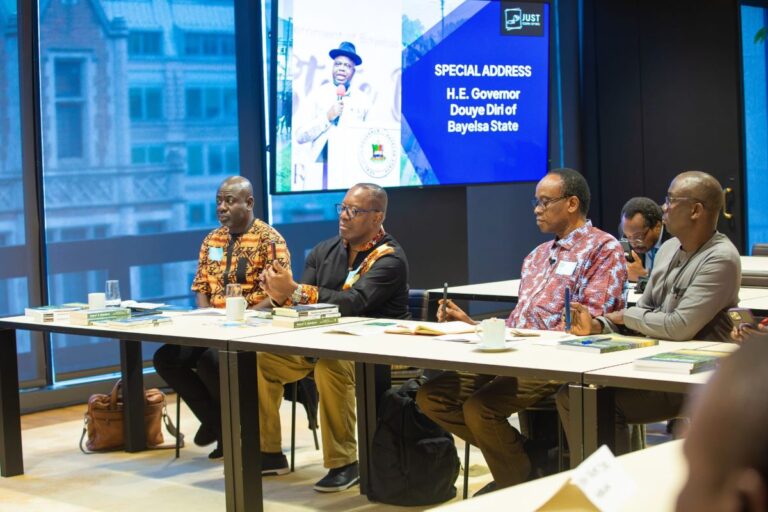
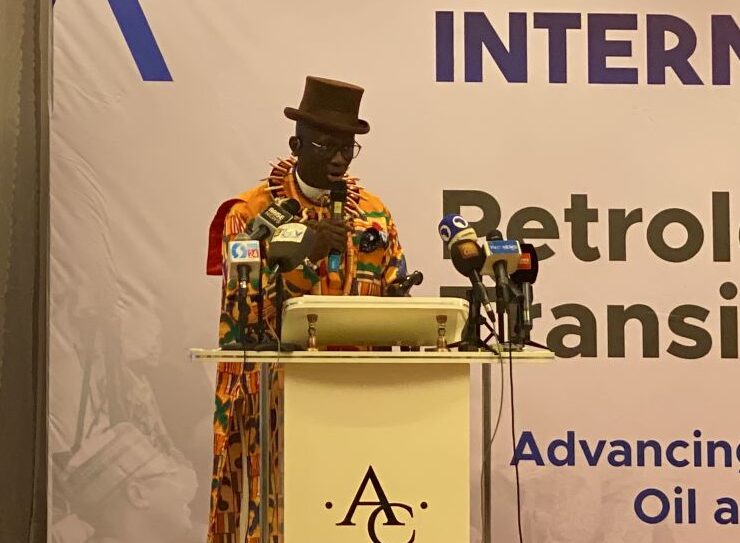
In a historic legal challenge, His Royal Majesty, King Bubaraye Dakolo, Agada IV, Ibenanaowei of Ekpetiama Kingdom, has taken Shell to court — demanding that the company be held accountable before it leaves. Backed by Social Action Nigeria and the International Working Group on Petroleum Pollution and Just Transition (IWG), the suit (FHC/YNG/CS/81/2025) represents a defining moment in Nigeria’s quest for environmental justice and corporate responsibility.
At the heart of the case is a simple but powerful demand: Shell must clean up, remediate, and compensate before divesting its onshore oil assets.
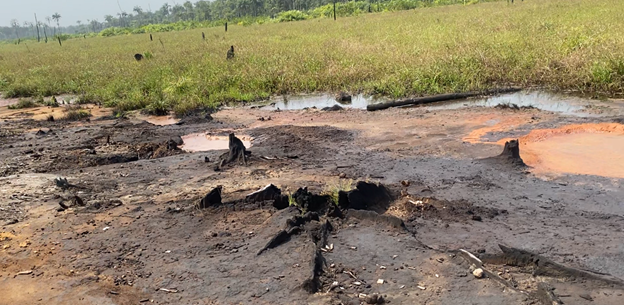
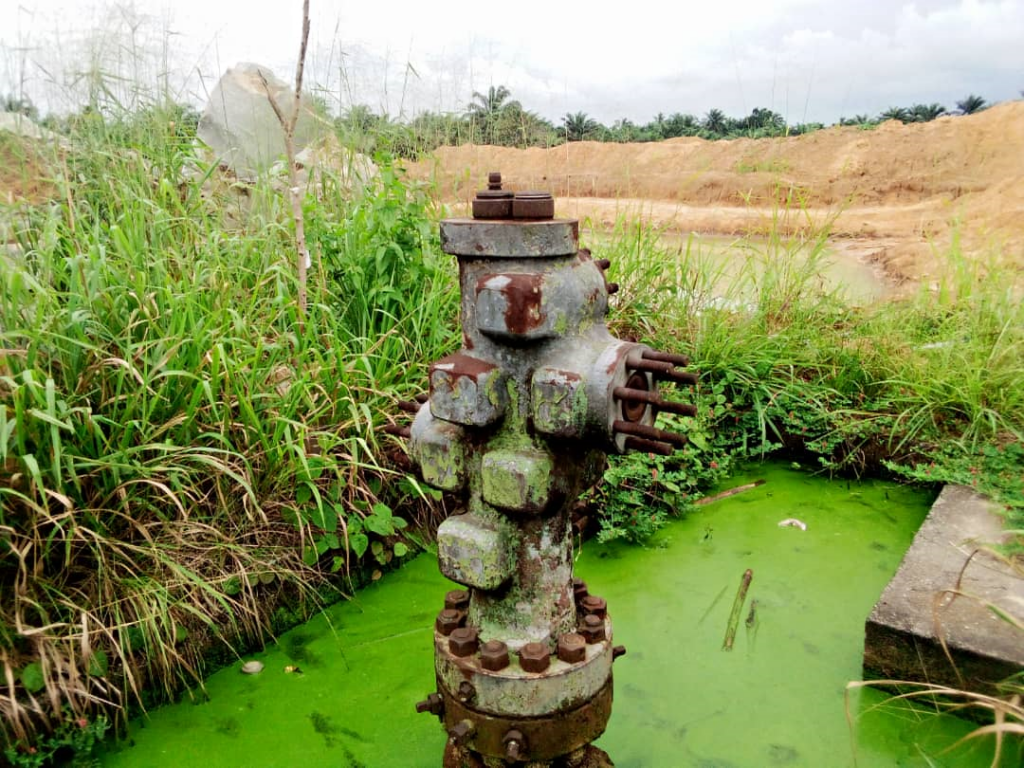
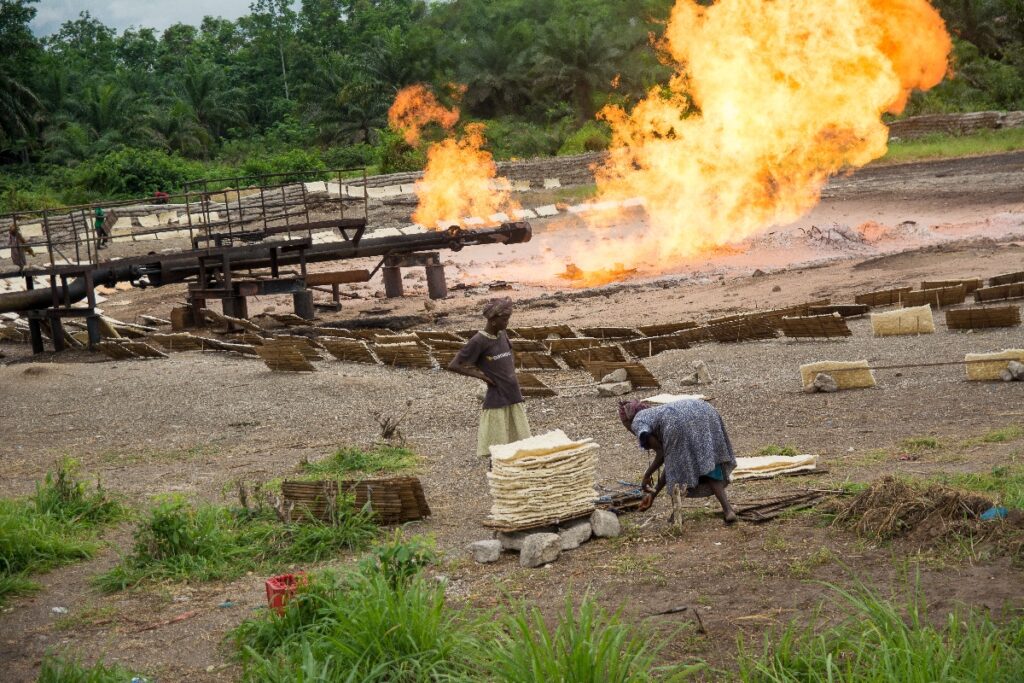
The Plaintiff’s Statement of Claim chronicles decades of destruction in the Ekpetiama area — oil-spill sites left unremediated, gas flaring that blankets villages in soot, and toxic effluent discharges that have contaminated the Nun River and its tributaries. Farmlands have become wastelands; fishing livelihoods have vanished.
Shell’s recent decision to sell its holdings in the Niger Delta to Renaissance Africa Energy Limited (RAEL) — with President Bola Tinubu’s consent, against the considered opinion of the federal petroleum regulator (NUPRC) and the National Assembly, and without a prior environmental audit — threatens to transfer polluted assets without accountability. The communities argue that such divestment amounts to corporate escape from justice.
The lawsuit, therefore, seeks orders compelling the Nigerian federal government and Shell to:
- Reverse the divestment transaction until environmental remediation is completed;
- Undertake a comprehensive cleanup and restoration; and
- Establish a community compensation and restoration fund under independent oversight.
Shell’s Legal Maneuver — Technicalities Over Truth
In September 2025, Shell’s parent companies — Shell Petroleum N.V. and Shell plc — through Aluko & Oyebode, filed a Preliminary Objection asking the Federal High Court to strike out the case. The company claims that the court lacks jurisdiction, that the Plaintiff has no standing, and that Shell’s foreign entities cannot be sued in Nigeria.
Shell insists that the Petroleum Industry Act (PIA) 2021 imposes no legal duty to consult host communities before divestment, and that once ministerial consent is granted, the process must be deemed valid.
These arguments — procedural, evasive, and morally hollow — reflect Shell’s long-standing strategy: to hide behind corporate technicalities while avoiding the human and ecological truths of its operations. The objection contains not a word about the thousands of lives destroyed, the children drinking from polluted creeks, or the farmers whose lands no longer yield.
King Dakolo’s Response — Grounded in Law and Conscience
On behalf of his people, King Bubaraye Dakolo filed a Written Address in Opposition on 13 October 2025, rejecting Shell’s claims and calling on the Court to exercise its constitutional mandate. His counsel, Chuks Uguru & Co., argues that:
- The Federal High Court has clear jurisdiction under the Constitution over oil-related and environmental matters;
- The Ekpetiama Kingdom has locus standi as a community directly harmed by Shell’s operations;
- Pollution is a continuous violation of the constitutional right to life, dignity, and a healthy environment; and
- Shell’s divestment without cleanup is an act of fraudulent concealment and unjust enrichment.
Drawing upon the African Charter on Human and Peoples’ Rights, the polluter-pays principle, and international norms such as Free, Prior and Informed Consent (FPIC), the Plaintiff’s team frames the case as a human-rights battle — not just a commercial disagreement.
The court is now expected to proceed with the matter in the spirit of justice, opening the way for a full trial that could expose Shell’s environmental record, government complicity, and the real cost of oil wealth in the Niger Delta.
Why This Case Matters
This is more than a lawsuit; it is a moral reckoning for corporate behaviour in Nigeria’s extractive sector. A favourable ruling will:
- Affirm that multinational corporations cannot divest and disappear;
- Establish that environmental cleanup and compensation are legal preconditions for asset transfer; and
- Empower other oil-producing communities to pursue justice through lawful means.
In a region long defined by despair, the case has ignited new hope — that law can serve the people, and that the Niger Delta’s cries for justice will finally be heard.
Social Action’s Role: Turning Law into Movement

For nearly two decades, Social Action Nigeria has exposed the social and ecological costs of oil extraction through meticulous research and community mobilisation. Today, Social Action stands shoulder-to-shoulder with King Dakolo and the people of Ekpetiama.
As Dr. Isaac “Asume” Osuoka, Director of Social Action, explains: “Shell’s exit cannot be treated as just another business transaction. It is a question of justice — of whether the people who have suffered for decades will finally see repair and dignity. We will not allow history to repeat itself.”
Toward a Just Transition
The Niger Delta cannot enter a new energy future while still drowning in the waste of the old one. The International Working Group on Petroleum Pollution and Just Transition, co-convened by Social Action, continues to link local struggles like Ekpetiama’s with global debates on climate justice and corporate responsibility.
This partnership insists that the energy transition must also be a justice transition — where communities, not corporations, define the path forward.
As proceedings advance in Yenagoa, Nigerians and the global public are watching. The Court is expected to proceed with the case in the spirit of justice, affirming that the law protects people, not polluters.
The struggle of Ekpetiama Kingdom is the struggle of every oil-producing community whose land has been stolen, whose water has been poisoned, and whose future has been mortgaged for profit.
For updates, partnerships, and media inquiries:
Email: peter@saction.org