Nigeria’s 26-Year Democratic Illusion: A Nation Awash in Disillusionment
-
by
saction_
By: Arochukwu Paul Ogbonna,
Zudonu Anumekanume Onisoman
For over two decades, Nigeria has been governed under the banner of democracy—a word that, in 1999, inspired hope and rekindled dreams of freedom, justice, and accountable governance for millions. Today, that word echoes hollow, drowned by the harsh reality of betrayal. What should have been a consolidation of democratic ideals has instead become their erosion. The rule of law has been replaced by the ruthless rule of power. The lofty promises of 1999 lie shattered beneath gross impunity, deliberate sabotage of constitutional institutions, the weaponisation of poverty, and a political class driven by greed and self-preservation rather than public service. After 26 years of civilian rule, Nigerians are left to ask: Is this democracy, or a masquerade donned by autocrats? Elections come and go, but oppression remains entrenched. Power circulates among an elite few, dissent is criminalised, and vital public institutions crumble under the weight of corruption and lawlessness.
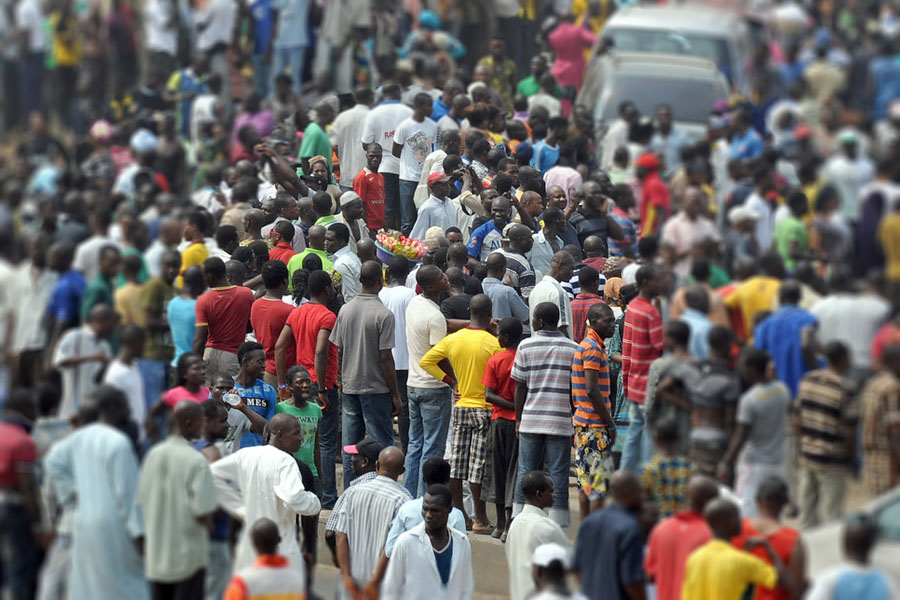
The Nigerian state today stands as a cautionary tale of how democracy can be manipulated to serve the interests of a few while the majority remain trapped in poverty, insecurity, and disillusionment. Elections, once anticipated as an avenue for change, have become a theatre of violence, fraud, and manipulation. Electoral processes are routinely subverted by political actors using state resources, thugs, and security forces to ensure victory at all costs. The political space is dominated by career politicians who switch allegiances without ideology or vision, reducing politics to a transactional pursuit. Voter apathy continues to rise, with turnout in recent elections dropping to record lows, a clear indication that many Nigerians have lost faith in the process.
Governance in Nigeria over the past 26 years has been largely characterised by endemic corruption and an appalling lack of accountability. Public officials elected and appointed alike, have turned state coffers into private vaults. Funds meant for education, healthcare, infrastructure, and social development are routinely embezzled or misappropriated. Anti-corruption agencies, despite their establishment and occasional headline arrests, have been largely toothless or politically compromised. Convictions are rare, and known looters are often rewarded with appointments or pardons. The culture of impunity remains unbroken, and corruption has metastasised into every level of governance.
Fiscal mismanagement has also reached crisis levels. Successive administrations have plunged the nation into unprecedented debt, borrowing excessively with little to show in terms of development. Nigeria’s external debt has ballooned, yet basic services; power, roads, education, remain deplorable. Much of the borrowed funds are spent on recurrent expenditures, with little investment in long-term economic sustainability. The burden of these debts is borne by the masses, who face increased taxes, subsidy removals, and spiralling inflation while political elites continue to live in obscene luxury.
The erosion of democratic structures is most visible in the manipulation of local governance. Many state governors, disregarding the constitution, have failed to conduct local government elections, instead appointing sole administrators who are neither accountable to the people nor reflective of grassroots mandates. This undermines federalism and stifles participatory democracy, depriving communities of genuine representation and development.
The judiciary, once regarded as the last hope of the common man, has not been spared from this democratic decay. Court orders are routinely disobeyed by government officials and security agencies, often with no consequence. From the unlawful detention of journalists and activists to the continued incarceration of citizens granted bail, the rule of law is applied selectively. Judges are frequently accused of corruption, delivering judgements not based on merit but on political influence or financial inducement. This judicial compromise has aided and abetted corruption, weakened accountability, and made justice inaccessible to the poor and marginalised.
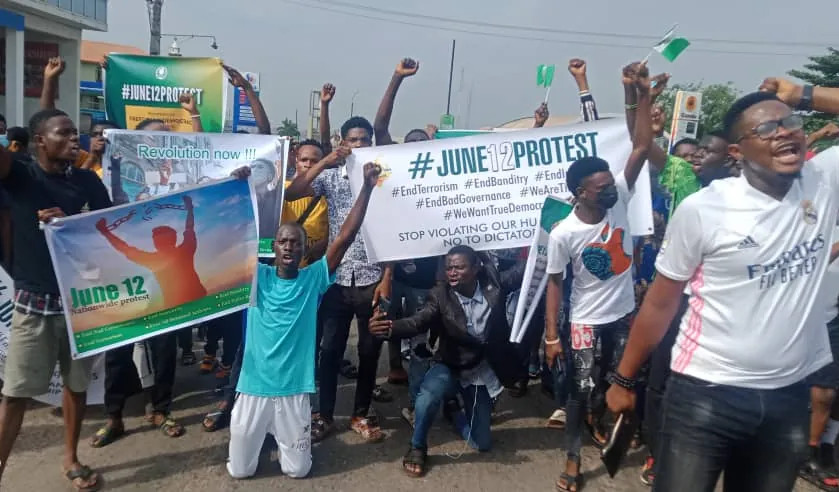
Nigeria’s democracy has also failed woefully in protecting human rights. Peaceful protests have been met with brutal crackdowns. The #EndSARS protests in 2020 exposed the scale of police brutality, with security operatives killing and maiming young Nigerians demanding reform. Instead of accountability, the state responded with silence, denials, and further repression. Freedom of expression is under threat, with journalists harassed, media houses fined or shut down, and civil society actors intimidated. Government security agencies act as political enforcers rather than neutral defenders of the state, routinely violating the rights of citizens without oversight.
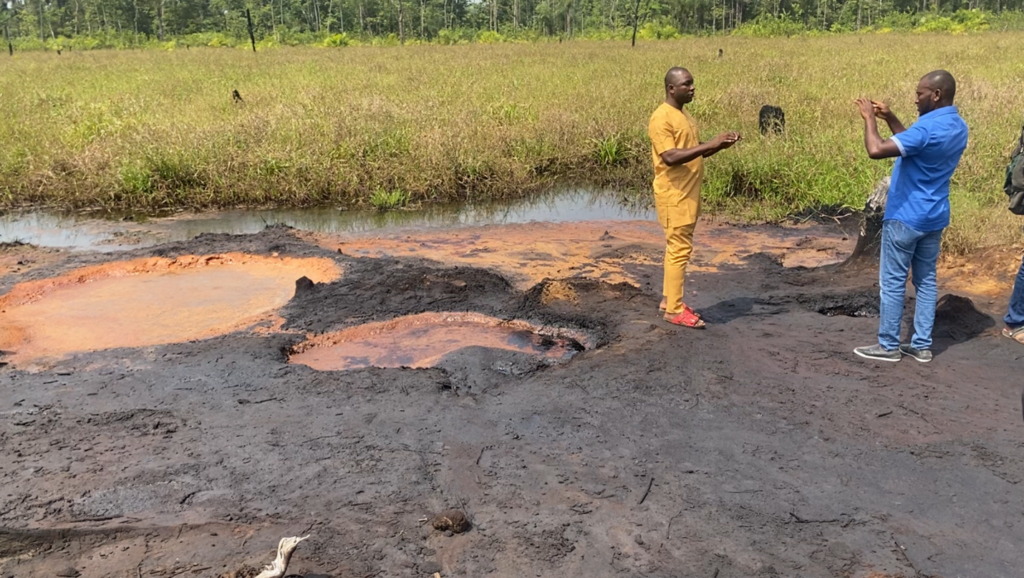
Environmental injustice, particularly in the oil-rich Niger Delta, is another glaring failure of Nigerian democracy. Decades of oil exploitation have left the region impoverished and ecologically devastated. Farmlands and rivers are polluted, livelihoods destroyed, yet oil multinationals and government agencies continue to profit. Promised clean-up and remediation projects are stalled by corruption and bureaucratic inefficiency, while activists and local leaders who speak out are harassed or silenced. The people remain trapped in a cycle of poverty and neglect, with no recourse to justice.
What makes Nigeria’s democratic backsliding even more tragic is the deliberate undermining of institutions meant to safeguard the system. Agencies like the Independent National Electoral Commission (INEC), the Economic and Financial Crimes Commission (EFCC), and the judiciary have been subjected to political manipulation, weakening their credibility and effectiveness. Governance has become a theatre of impunity where power is wielded without responsibility and officeholders act as if they are above the law.
And yet, amidst the ruins of this democratic project, there are flickers of hope. Civil society groups, youth movements, and advocacy organisations continue to challenge the status quo. From pushing for electoral reform to demanding transparency in governance, they have remained a vital counterforce to state impunity. The #EndSARS movement, although violently suppressed, showed the power of collective civic action.
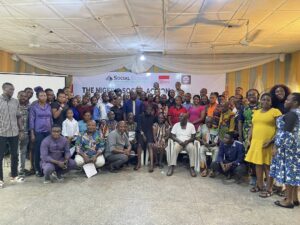
Among these champions of democracy is Social Action, a leading Nigerian civil society organisation dedicated to promoting social justice, human rights, and sustainable development through active citizen engagement and advocacy. Social Action plays a crucial role in empowering communities by providing access to information, building capacity for civic participation, and monitoring public budgets to expose fiscal mismanagement. Their work in environmental justice, especially in oil-affected communities of the Niger Delta, holds both government and multinational corporations accountable for pollution and ecological degradation. Furthermore, Social Action relentlessly advocates for transparency, policy reforms, and electoral integrity, ensuring citizens’ voices are heard and that democratic principles are defended against encroachment. These efforts reflect the indispensable role of civil society in reclaiming Nigeria’s democracy from the grip of impunity and elite domination. Though these efforts are often met with resistance, they serve as a reminder that democracy is not a gift from the elite but a right that must be claimed and defended by the people.
In conclusion, Nigeria’s 26 years of democracy tell a story not of progress, but of promises betrayed. The country is governed not by democratic principles, but by elite bargains and brute force. It is a system where elections occur without true choice, where the law is subverted for personal gain, and where public office is viewed as a route to private enrichment. Without urgent reform, Nigeria risks sliding further into authoritarianism cloaked in democratic garb. The struggle for a truly democratic Nigeria is far from over, but it must now be reimagined, reclaimed, and rebuilt from the ground up