Paradox of Democracy: Professor Fidelis Allen Challenges Nigerian Youth at Social Action Camp as Civic Space Contracts
-
by
saction_
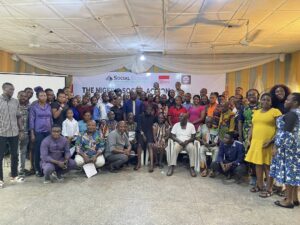
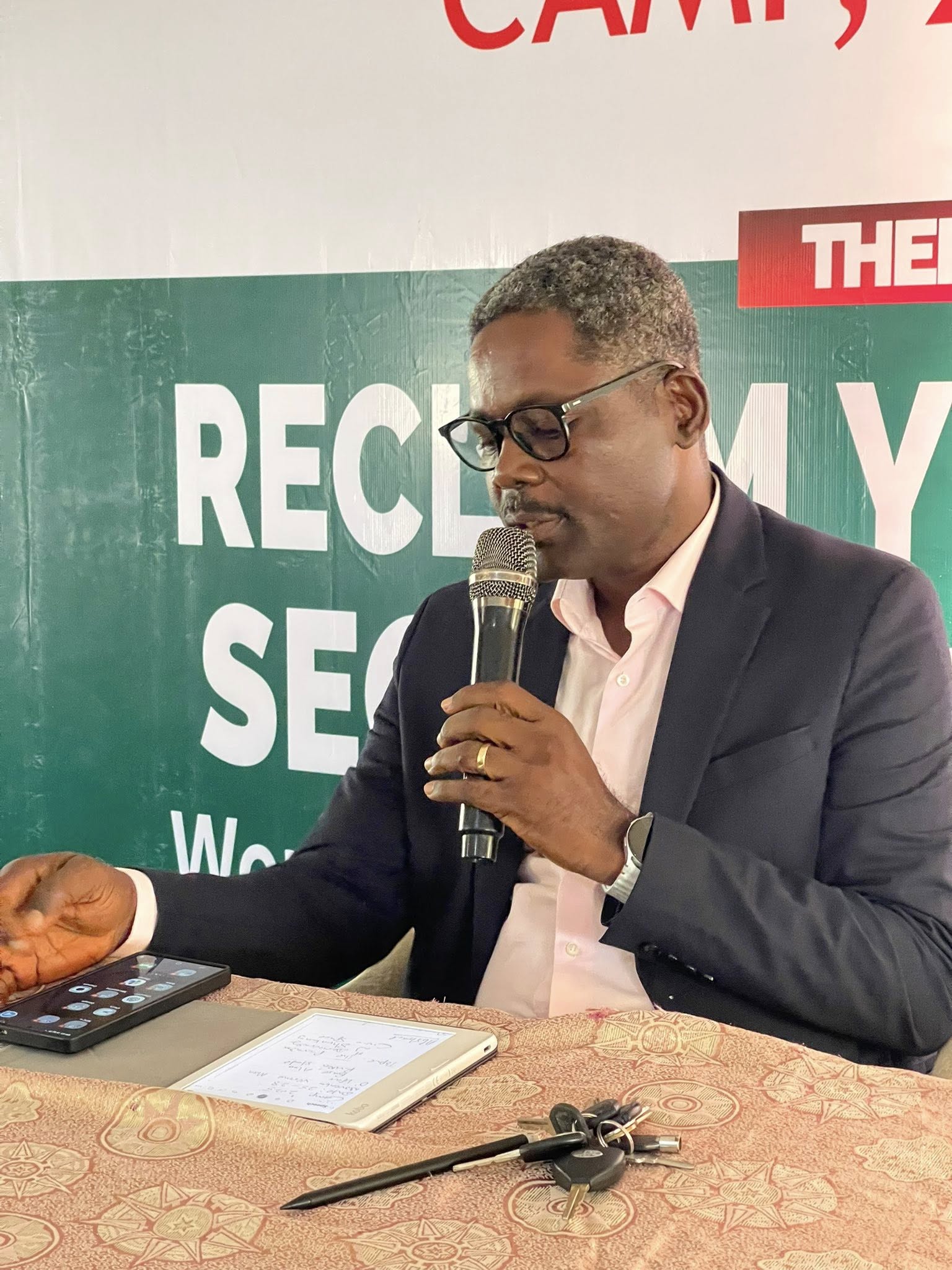
PORT HARCOURT — The Nigeria Social Action Anti-Imperialism Camp gathered young activists at the Man O’ War Base in Aluu, Rivers State. Professor Fidelis Allen of the University of Port Harcourt delivered a powerful intervention on what he termed the “paradox of democracy” in Nigeria. Drawing from decades of research on social movements and political participation, Allen dissected the troubling disconnect between Nigeria’s democratic pretensions and the lived reality of shrinking freedoms under the current administration.
The Camp: A Strategic Intervention
The four-day camp, themed “Reclaiming Our Rights, Securing the Future: Women and Youths for Ecological Justice,” opened on November 25th—the International Day for the Elimination of Violence against Women. The gathering was designed as an intervention to bridge the gap between democracy and human rights at a critical juncture. With the current political dispensation increasingly utilizing the judiciary and police to stifle dissent, the camp aims to move beyond complaints to citizens’ engagement and institutional reforms.
The Paradox of Democratic Shrinkage
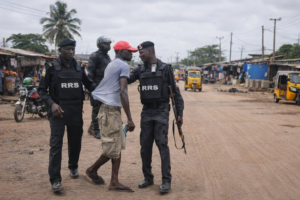
Speaking to an audience of young Nigerians from across the country, Allen argued that while Nigeria has maintained civilian rule since 1999, the space for genuine civic engagement, peaceful protest, and public expression has been systematically constricted. He identified three primary mechanisms driving this contraction: the securitization of civic expression, the weaponization of legislation against dissent, and the steady criminalization of critical voices.
His analysis comes amid growing concern over civic space in Nigeria. Recent reports document scores of attacks on journalists, with media leaders warning that independent journalism faces mounting pressure from political interference and a shrinking civic space. Civil society organizations have consistently raised alarms about the deteriorating environment for free expression.
The Cybercrimes Act: A Sword Against Dissent
A central focus of Allen’s analysis was the controversial Cybercrimes Act, particularly Section 24, which has become a flashpoint in debates over civic freedoms. Despite a 2024 amendment, critics argue the law continues to serve as a tool for government repression rather than its stated purpose of combating cybercrime.
Civil society groups have jointly called for the suspension of the Act, citing a surge in attacks on press freedom and civil liberties. Human rights advocates describe the situation as an “escalating crackdown” on freedom of expression, arguing that Section 24 remains vague and open to abuse. Nigerians—including journalists and social media users—have been arrested and prosecuted for online expressions, even in private WhatsApp groups.
The law has faced international criticism, with a regional court ruling deeming the original version arbitrary and inconsistent with human rights obligations—a ruling that critics say the amendment failed to properly address. Civil society actors have lamented that with the new amendment, telling the truth has become dangerous.
Protest Bans and the Militarization of Civic Space
Allen also addressed the growing trend of protest restrictions under the current administration. Recently, a court approved a planned protest but barred demonstrators from marching near sensitive government sites, including the presidential villa and security headquarters. The ruling followed a government application through the police.
While the court emphasized that the right to peaceful assembly remains protected as long as demonstrators avoid prohibited zones, civil society groups condemned the restrictions as a dangerous precedent. Rights organizations warned that “the decision to criminalize peaceful gatherings sets a disturbing precedent and raises questions about the government’s tolerance for dissent.”
“The blanket ban on protests near key national sites amounts to the militarization of civil space in a democracy,” Prof Allen stated. “Protest is a legitimate instrument of public expression in democratic societies. Security concerns must never override human rights. Peaceful protest is not synonymous with violence.”
International human rights organizations have urged the authorities to ensure that security agencies respect and facilitate the right to peaceful protest, as guaranteed by both the constitution and human rights treaties.


Regulating Online Expression
A further threat to civic space identified by Allen is legislative efforts to control online expression. A bill currently before the National Assembly seeks to compel major social media platforms to establish physical offices in Nigeria while regulating bloggers operating in the country. The proposed legislation would require bloggers to maintain verifiable offices and join recognized associations.
Civil society has vehemently opposed the legislation, describing it as an attempt to reintroduce rejected social media regulation through the back door. Critics warn the bill would “stifle online expression and impose unnecessary restrictions on the rights of Nigerians.” They note that it could be used to ban platforms that fail to comply and to muzzle dissenting voices criticizing government policies.
Young Nigerians Seek Answers
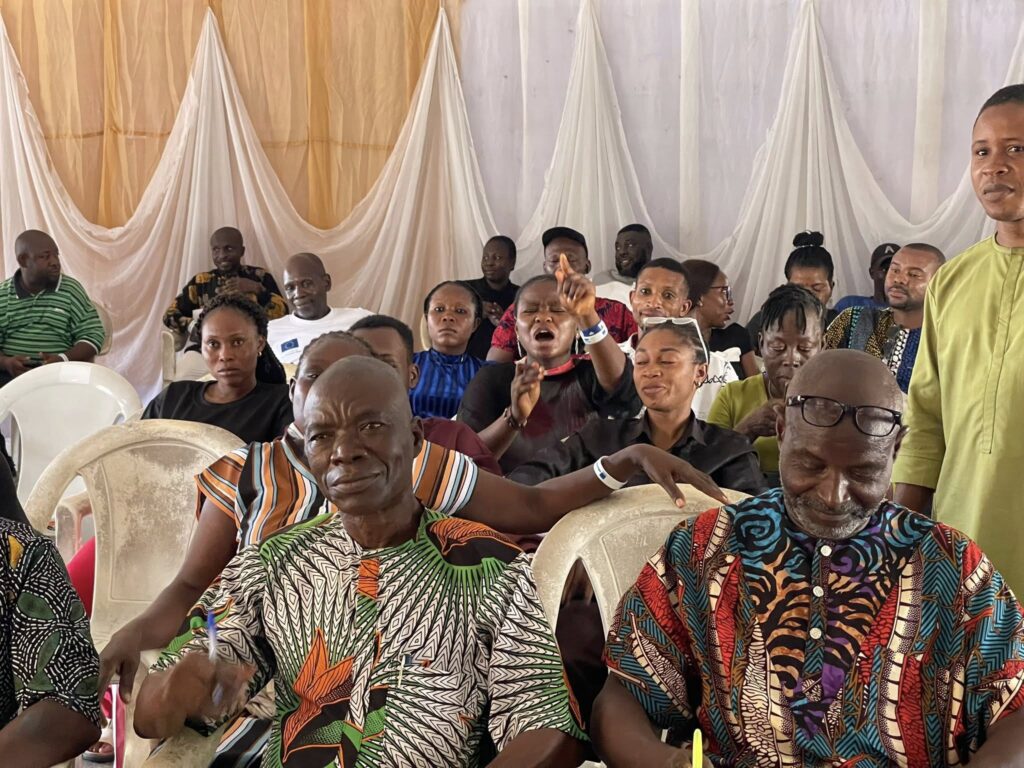
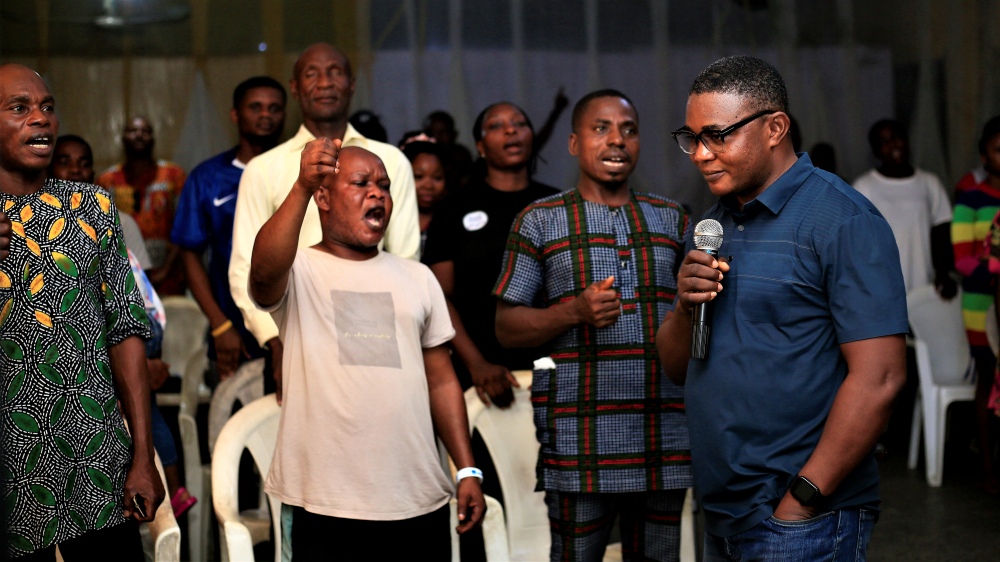
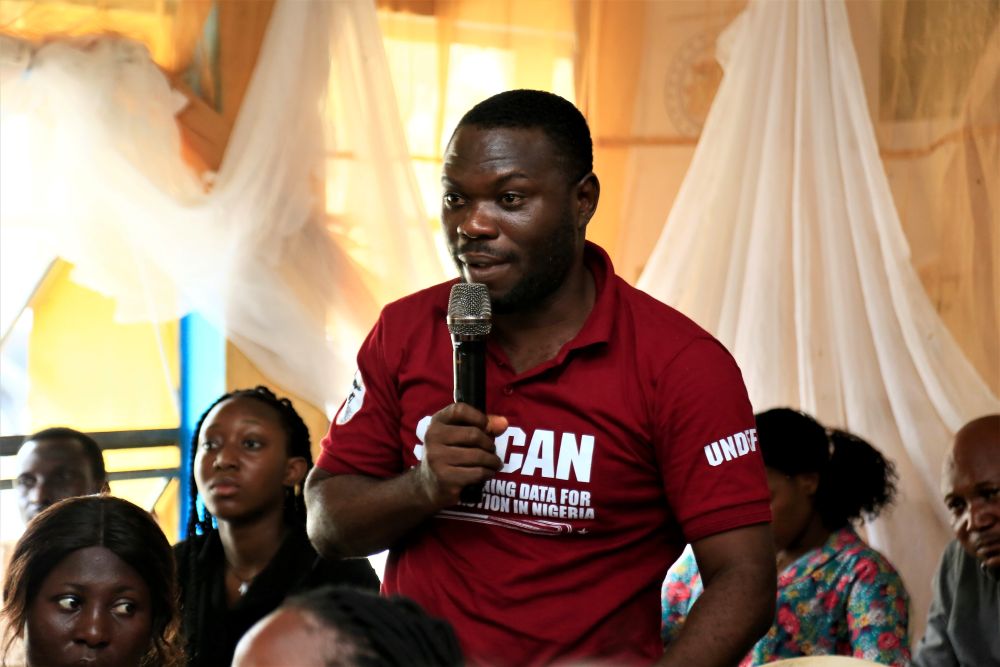
Following Allen’s address, the session opened to questions revealing deep concern among Nigeria’s emerging civic leaders. Participants asked what strategies are available when advocacy can attract surveillance or intimidation. Recent cases of arrested activists, restricted protests, and prosecuted social media users hung over the discussion.
A particularly pointed question drew a distinction between “democracy” and what Nigeria practices, suggesting “civilian rule” might be more accurate. This sparked murmurs of agreement, reflecting growing skepticism about whether elections alone constitute genuine democratic governance when civic space continues to shrink.
Allen’s Counsel: Lead Where You Stand
Responding with characteristic thoughtfulness, Allen navigated between acknowledging systemic failures and inspiring continued engagement.
On what to do in constrained circumstances, Allen urged participants to resist paralysis. Rather than waiting for ideal conditions, he counseled them to occupy the small spaces of leadership already available. Every community, neighborhood, and local association offers opportunities for principled leadership. The aggregation of small, locally-grounded actions can, over time, create pressure for broader change.
On democracy versus civilian rule, Allen acknowledged the observation’s validity while cautioning against complete dismissal of the democratic project. Nigeria’s democratic institutions, however imperfect, provide legal footholds unavailable under military rule. The challenge is not to abandon the democratic framework but to fight for its authentic realization.
His most emphatic counsel concerned holding elected representatives accountable. He encouraged using every legal and constitutional means available: demanding town hall meetings, submitting freedom of information requests, organizing community scorecards, and building coalitions to amplify accountability demands.
The Path Forward
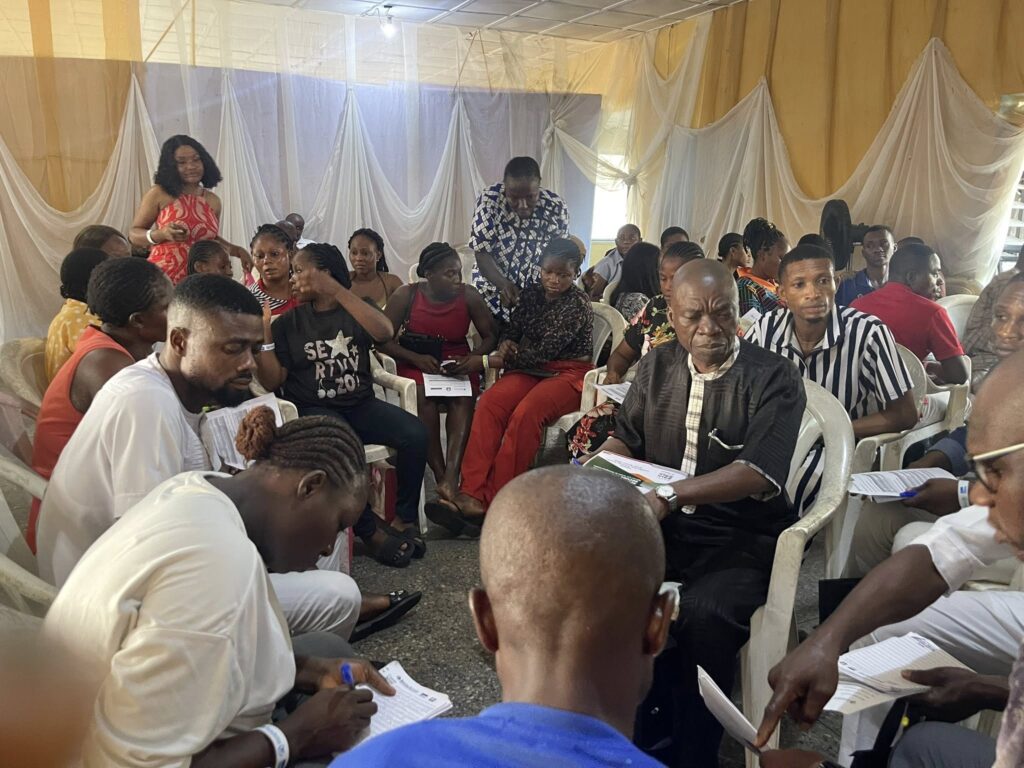
Allen’s session was just one part of a packed program addressing state failure, police reforms, women’s rights, and youth revolt. Breakout sessions allow participants to move from analysis to strategy, examining electoral manipulation and judicial failure. The camp will culminate in the Civil Rights Council Congress, solidifying organizational structures to sustain momentum.
The challenges are formidable. The Cybercrimes Act remains in force. Protest restrictions have been legitimized. Legislation to regulate social media advances. Reports of harassment and arrest of activists continue.
Yet the camp itself is an act of resistance—young people gathering to reclaim rights and secure the future. The honoring of revolutionary ancestors, the rigorous intellectual engagement, and the commitment to building organizational structures testify to a movement that refuses silence.
Allen’s message offered a path forward through patient civic reconstruction: training a generation to demand accountability, occupy leadership spaces, and refuse acceptance that current constraints on democracy are permanent. His intervention named the paradox young Nigerians experience daily and offered a way forward neither naive about obstacles nor defeatist about possibilities.
As the camp continues, participants grapple with these questions, building the ideological clarity and organizational strength needed to navigate Nigeria’s shrinking civic space. The Man O’ War Base has become, for four days, a place where discipline meets resistance, where history meets the future, and where young Nigerians gather to reclaim their rights against all odds.
Honoring Revolutionary Legacy of a Right Activist
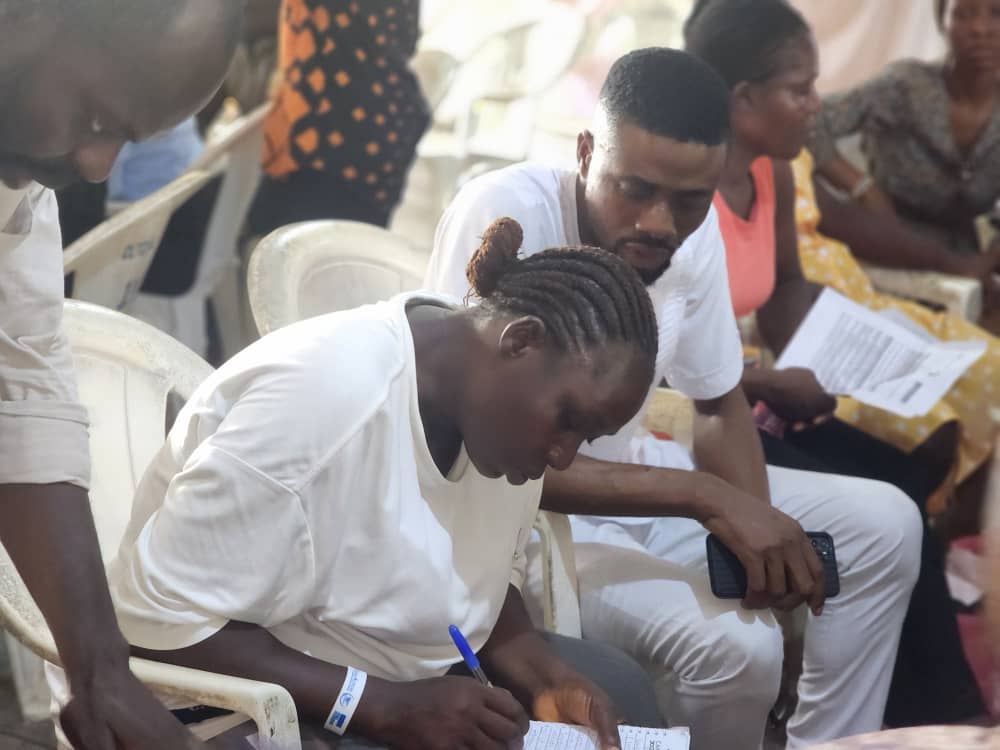
The camp’s first night was dedicated to honoring the life and struggle of the late Comrade Abiodun Aremu, a titan of the Nigerian working-class struggle, leader and champion of free speech and true democratic practice and also a strong pillar of the camp’s ideological depth since 2007. Participants signed a condolence register and engaged with materials documenting his revolutionary history.
Later, participants screened a documentary on the Iva Valley Massacre, drawing a direct historical line from the anti-colonial resistance of 1949 coal miners to the modern struggle against oppression. These historical reflections were designed to instill a sense of continuity and historical duty, reminding participants that the fight for civic space is part of a long tradition of Nigerian resistance.