
People’s Tribunal in Ahoada Unveils Shocking Accounts of Niger Delta’s Environmental and Humanitarian Crisis
-
by
saction_
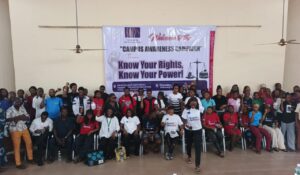
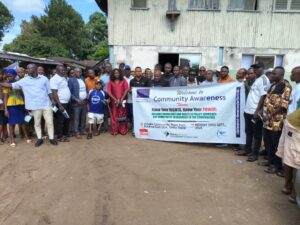
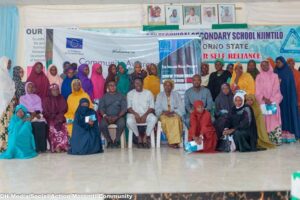
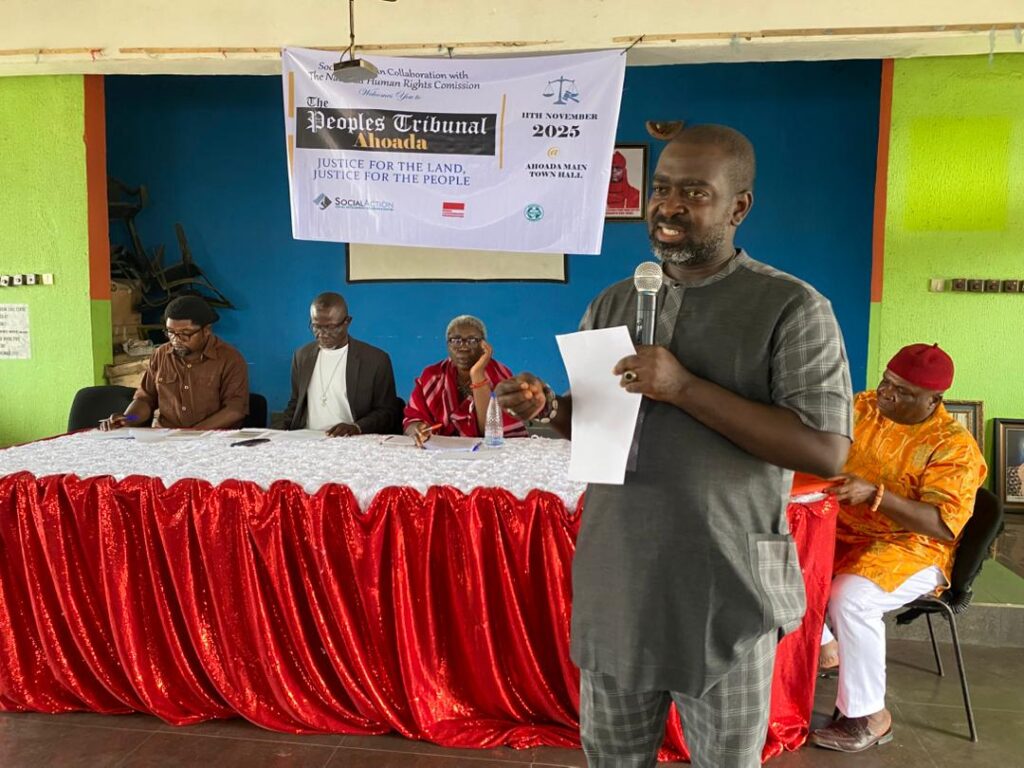
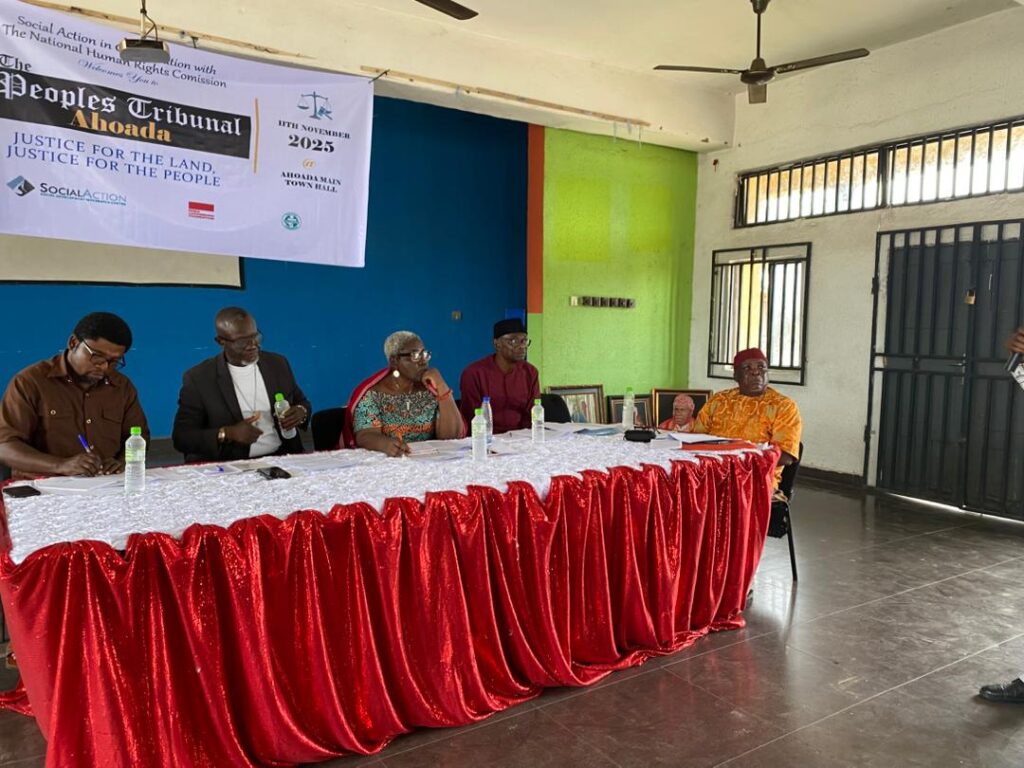
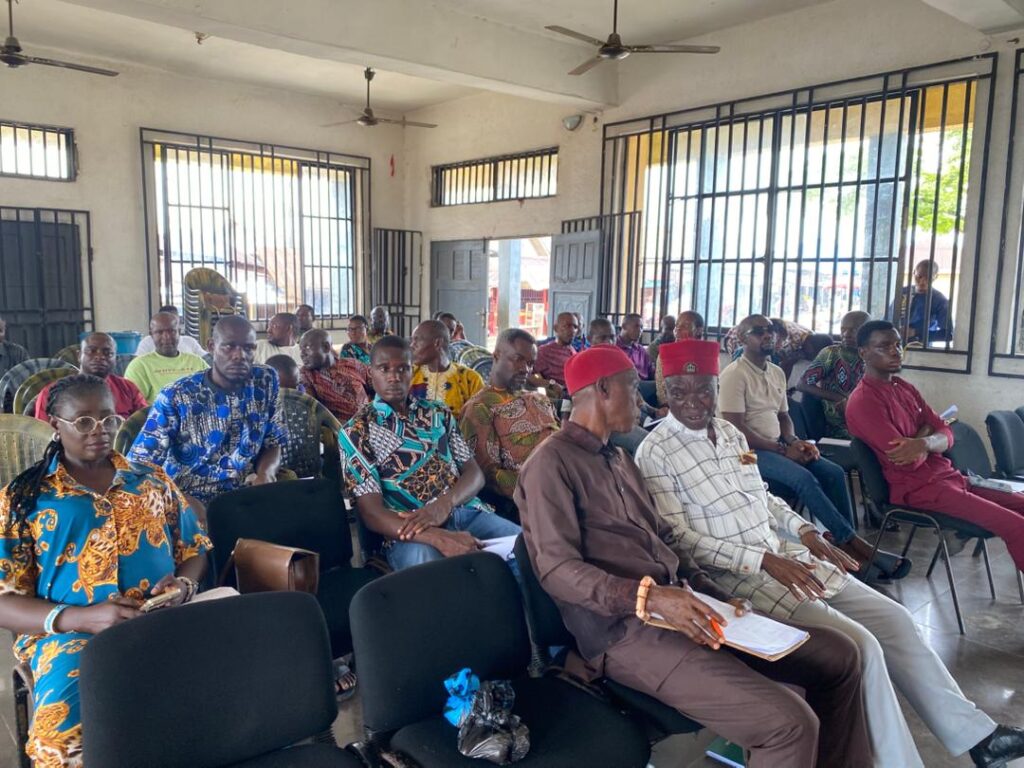
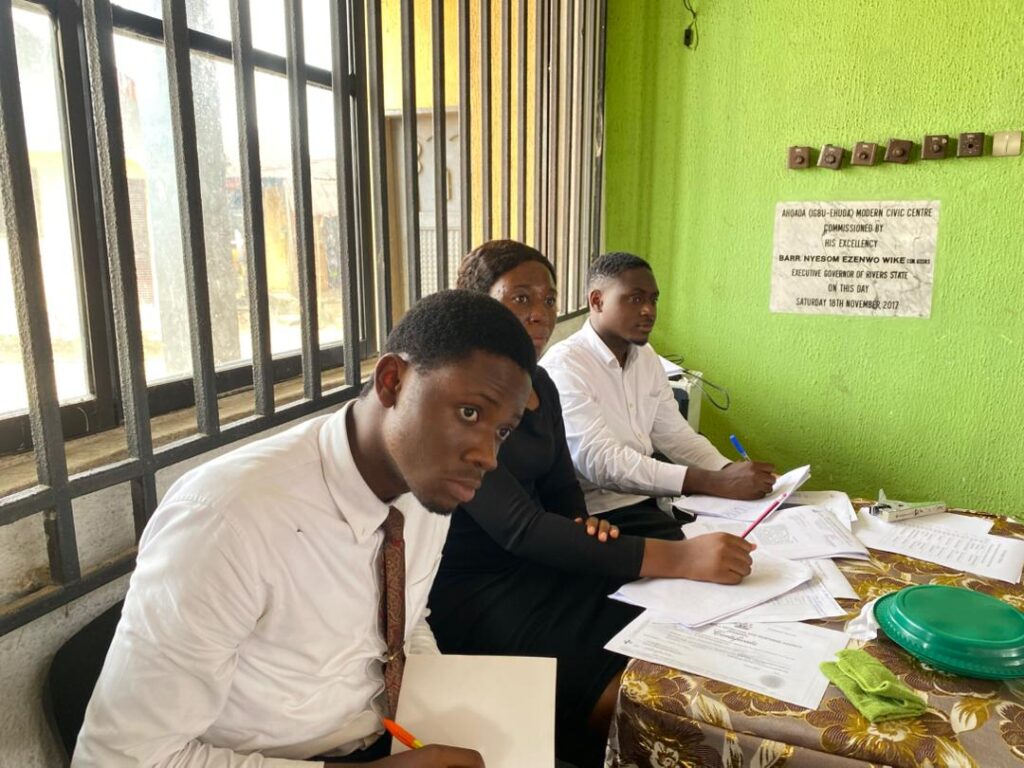
Ahoada, Rivers State – November 11, 2025 – In an unprecedented gathering, the People’s Tribunal, themed “Justice for the Land, Justice for the People,” convened today in Ahoada, offering a stark courtroom for the earth and its people. Organized by Social Action in collaboration with the National Human Rights Commission, the event transformed into a powerful session where communities from across the Niger Delta presented raw, unfiltered testimony on the environmental and human rights abuses they endure at the hands of multinational oil companies and systemic government neglect.
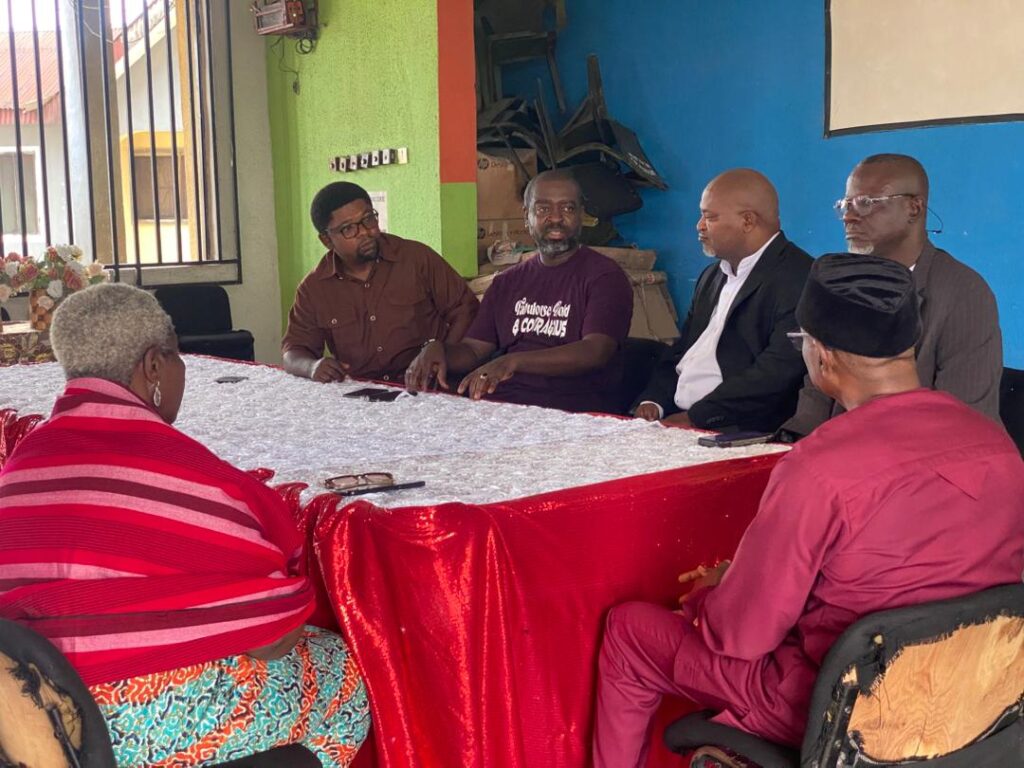
Presided over by a distinguished jury led by Chief Constance Meju, the tribunal served as a formal platform to document evidence and build a case for redress. Dr. Prince Edegbuo, Programmes Manager for Resource Justice at Social Action, set the tone, highlighting the national importance of the initiative and linking environmental destruction directly to violations of the right to life, health, and food. “We have a growing concern about food, and how much the crops were no longer yielding fruit because of hydrocarbons in the soil,” he stated, warning of a health crisis revealed by hydrocarbons found in the blood of residents from polluted communities.
Voices from the Frontlines: Community Cases Unveiled
The tribunal heard four compelling petitions, each a story of survival amidst profound loss.
1. Abalama Community: A Fire Unanswered
Kaladokubo, Secretary of the Abalama Community, presented a dire situation following a massive explosion and fire at an AGIP/ENI well on January 1st, 2025. “Madam, you will pity my people if you see the pictures,” he pleaded. “Our land and water are gone. Even our bodies are reacting to the pollution.” He detailed how letters for help sent to local authorities and NOSDRA went unanswered, with political transitions being used as an excuse for inaction.
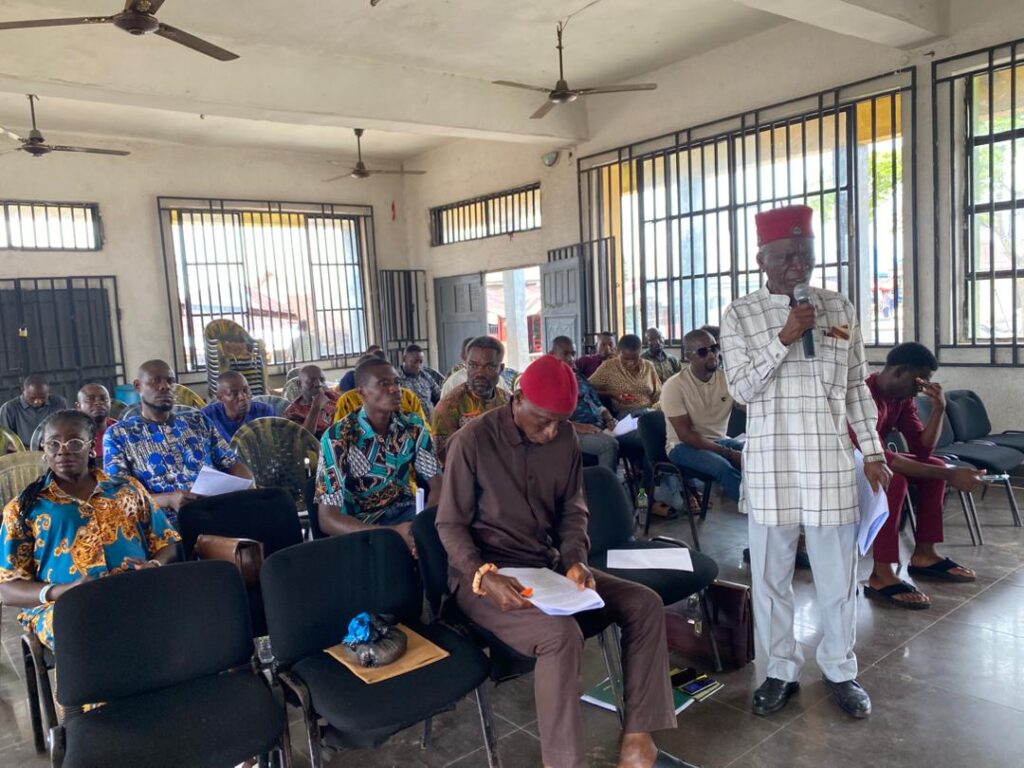
“Our land and water are gone. Even our bodies are reacting to the pollution,” testified Kaladokubo from Abalama Community, describing a massive wellhead explosion that occurred on New Year’s Day 2025. “We have cried out, but no one listens. What we seek is simple: that those operating these wells remember we are human beings.”
- Jury’s Dialogue & Guidance: The jury, including HRH Eze John Chigbo and Higher King, Esq., pressed for evidence and community unity. Chief Meju provided critical advice: “Communities must maintain written records, copies of letters, photographs, and eyewitness evidence.” She outlined the mandatory procedures—immediate notification to the company and NOSDRA, requests for Joint Investigation Visits (JIVs), and Environmental Impact Assessments—that had been completely bypassed, leaving the community without a legal leg to stand on.
2. Ogba/Egbema/Ndoni: A “Slow, Deliberate Death”
Chief Ikechukwu Ojubah, representing hydrocarbon host communities, spoke with composure about the devastation of their once-thriving farmlands and rivers by multiple oil companies, including Shell and Total. He described hydrocarbon residues visibly floating on river surfaces and crops that no longer yield. “Our lands bleed every day. The rivers that fed our fathers now poison our children,” echoed Chief Patrick Onyeazo in a moving support statement.
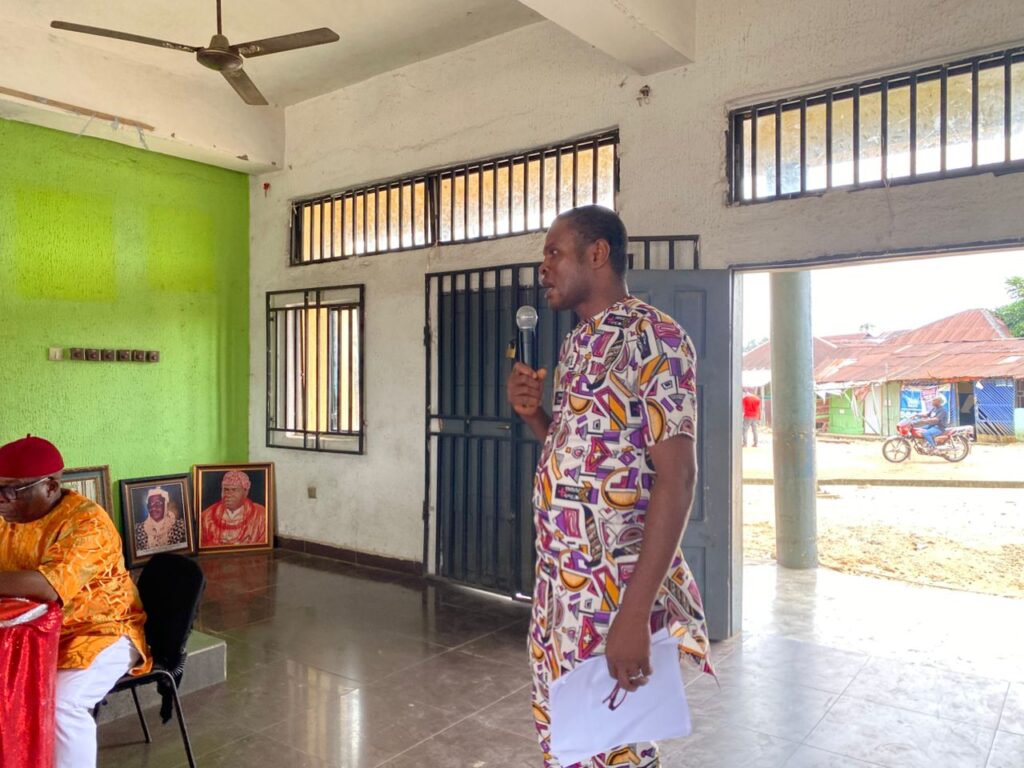
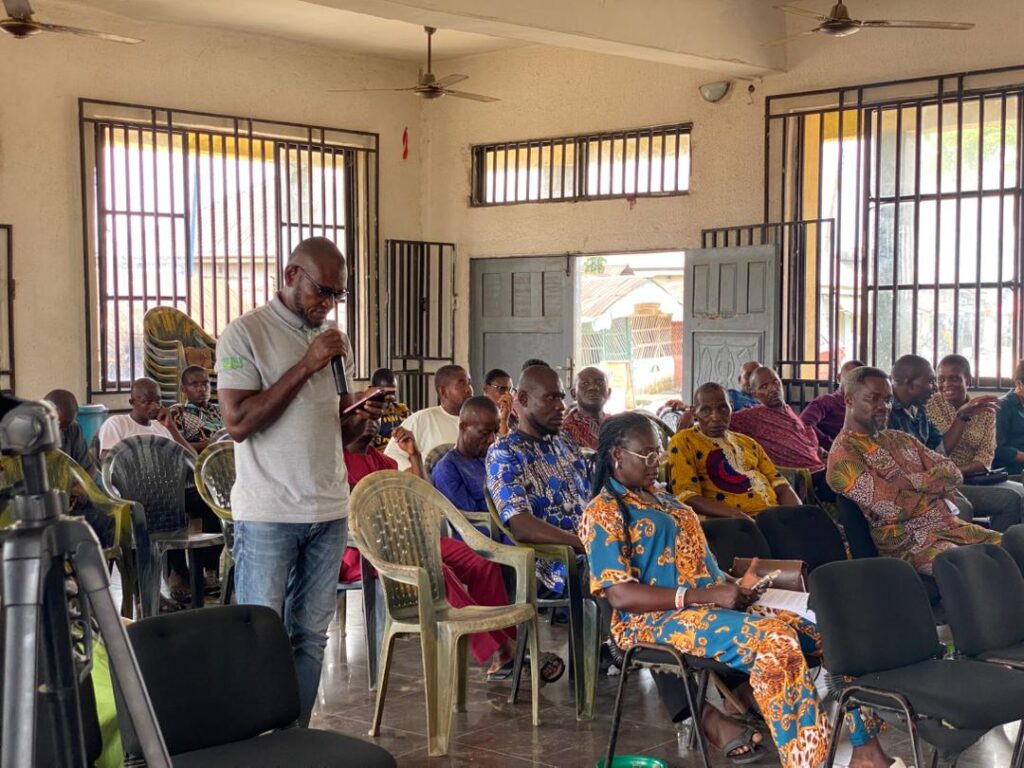
- Jury’s Dialogue & Guidance: While commending the clarity of the petition, Chief Meju admonished that community problems often stem from internal compromise. She pointedly asked if they had engaged the Nigeria Local Content Board, emphasizing that their demands for recognition and rights were valid but required a unified front and solid evidence. “SOCIAL ACTION should take it up from here as it was a matter of human rights,” she concluded, pledging support.
3. Obelle Community: A 27-Year-Old Wound
Dr. Fortune Eferebo presented a haunting case from 1998, where a Shell gas fire raged for two months, leading to chemical injections that poisoned the land. The community was fenced out of their ancestral farmlands, and a subsequent Post-Impact Assessment was never published. A pursuit of justice through the Netherlands National Contact Point was rejected by Shell. “All over the Niger Delta, there are fires, spills, and pollution, but no action. Our community has waited for nearly thirty years,” Dr. Eferebo stated.
- Jury’s Dialogue & Guidance: Chief Meju noted the petition seemed hurried despite its gravity. “When you present a serious matter, you must show seriousness in your petition. The goal is not only to inform but to make those listening feel the pain and understand the urgency,” she urged. Higher King, Esq., advised reactivating the case with the original evidence and engaging lawyers, stressing that Shell’s liability remains intact despite the passage of time.
4. Rumuekpe Community: A Health and Cultural Crisis
Engineer Avadi Chimankpa presented a petition on behalf of Rumuekpe’s women and community, detailing how oil operations have led to a health crisis including cancer, infertility, and respiratory diseases. He also highlighted the destruction of their cultural life—festivals, wrestling, and ancestral lands lost to pollution.
- Jury’s Dialogue & Guidance: The jury again emphasized the need for formal, well-documented petitions on community letterhead. They stressed the critical need to quantify impacts: “When you’re asking for reparation or remediation, everything must come down to cost. You must be able to say how you were impacted, in figures and in facts,” Chief Meju reiterated.
Unified Jury Recommendations: A Blueprint for Justice
In their final observations, the jury provided a clear blueprint for action across all cases:
- Engage Professionals: Communities must collaborate with lawyers, environmental experts, and doctors to build robust cases.
- Document and Quantify Everything: Evidence must include photos, health records, and economic valuations of lost livelihoods.
- Preserve Unity: A divided community is a weak community. Solidarity is essential to withstand corporate manipulation and intimidation.
- Pursue All Avenues: The Tribunal will forward all petitions to relevant government agencies, but communities must also be prepared to engage legal and international mechanisms.
Conclusion: A Resolve for Continued Struggle
Chief Constance Meju concluded by thanking the communities for their courage. “Many people who have been affected do not dare to do what has been done today,” she noted, honoring their resilience. The Tribunal stands as a critical step in a longer journey, reaffirming the need for sustained advocacy, community unity, and legal recourse to restore the dignity, health, and livelihoods of the Niger Delta people
The Tribunal resolved to compile all petitions and evidence into a formal report to be submitted to relevant government agencies, including NOSDRA, the Federal Ministry of Environment, and the National Assembly. Social Action and its partners pledged to continue supporting these communities in their pursuit of justice through legal channels, media advocacy, and national and international campaigns.