People’s Tribunal in Ikarama Exposes Deepening Crisis of Environmental Injustice in Bayelsa
-
by
saction_
Ikarama, Bayelsa State — November 21, 2025
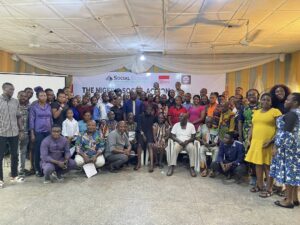
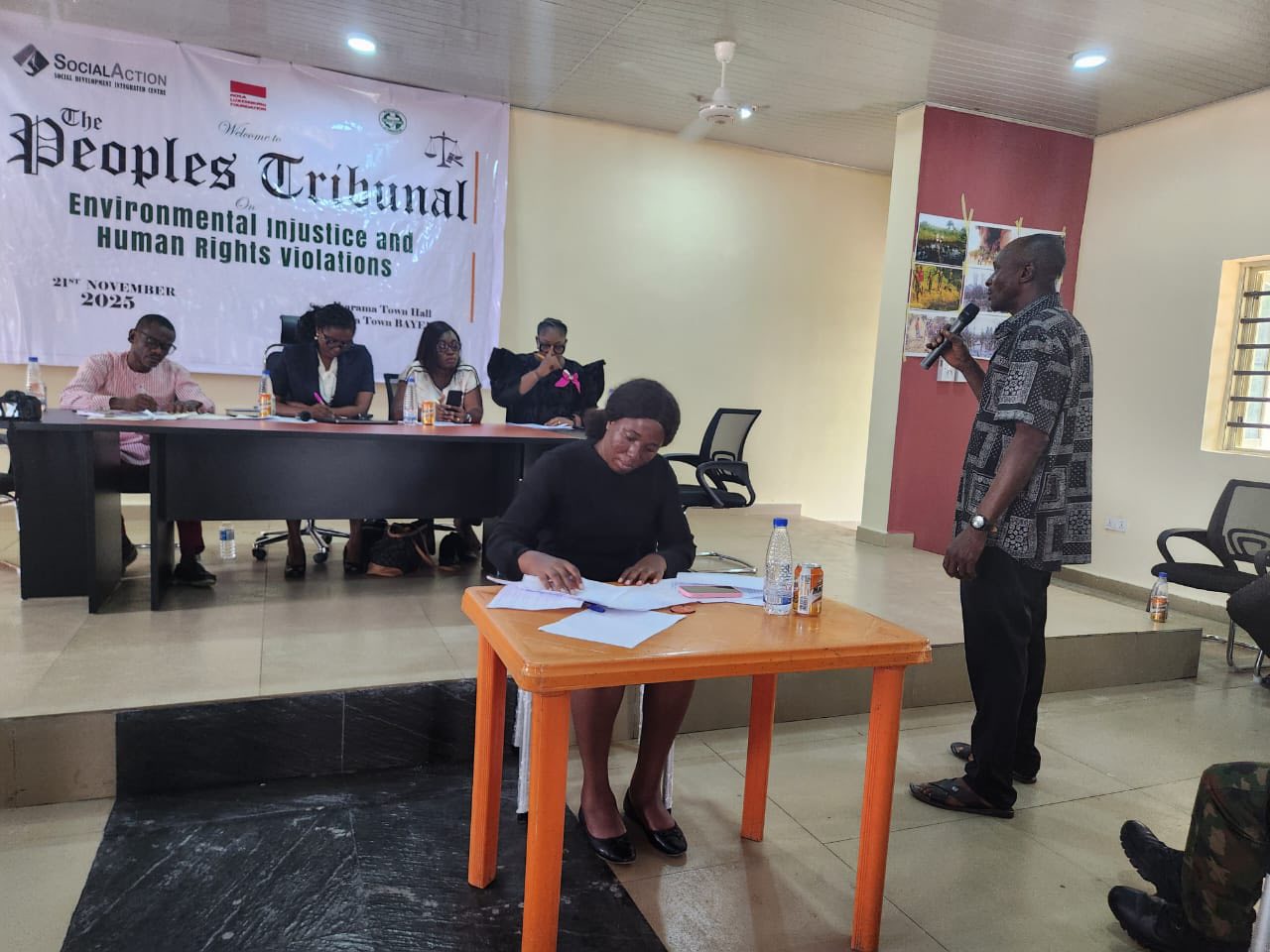
The community of Ikarama in Bayelsa State became a powerful stage for truth-telling as the People’s Tribunal on Environmental Injustice and Human Rights Violations convened to hear harrowing accounts of destruction, loss, and decades-long neglect linked to oil extraction in the Niger Delta.
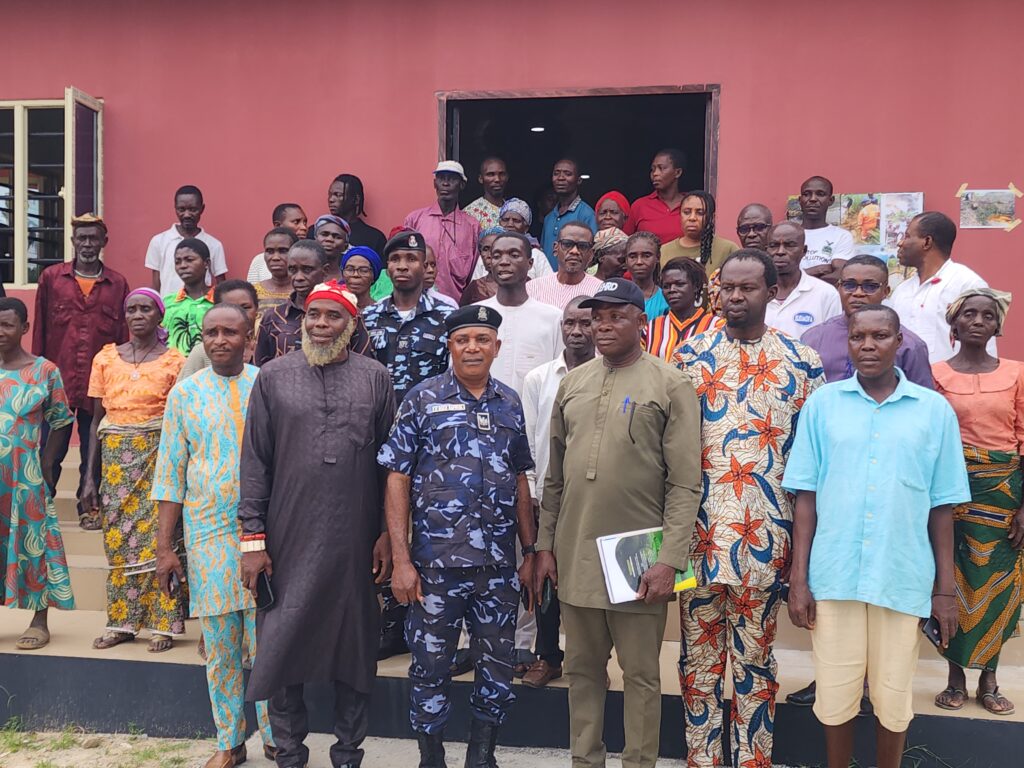
The sitting opened with an introduction of the jury by Peter Mazzi, setting the tone for a day dedicated to evidence, accountability, and community resilience. The distinguished jury was chaired by Dr. Vivian Brisibe, Vice Chairperson of the Nigerian Bar Association (Bayelsa State), supported by Dr. Rume Ndokita, Public Health Physician; Barr. Boma Tonye Miebai, Chairperson of FIDA Bayelsa; and Comrade Inatimi Odio, Executive Director of FACE Initiative. Serving as clerk and rapporteur were Miss Priscilla Okpako and Comrade Walson Pamiola respectively.
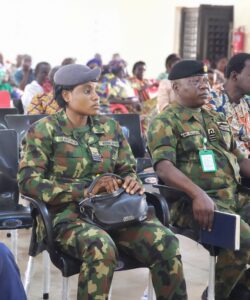
Also in attendance were His Royal Highness Chief Wariebi Berebozigha, security representatives from the Nigerian Police Force, NSCDC, and the JTF — underscoring the weight of the occasion.

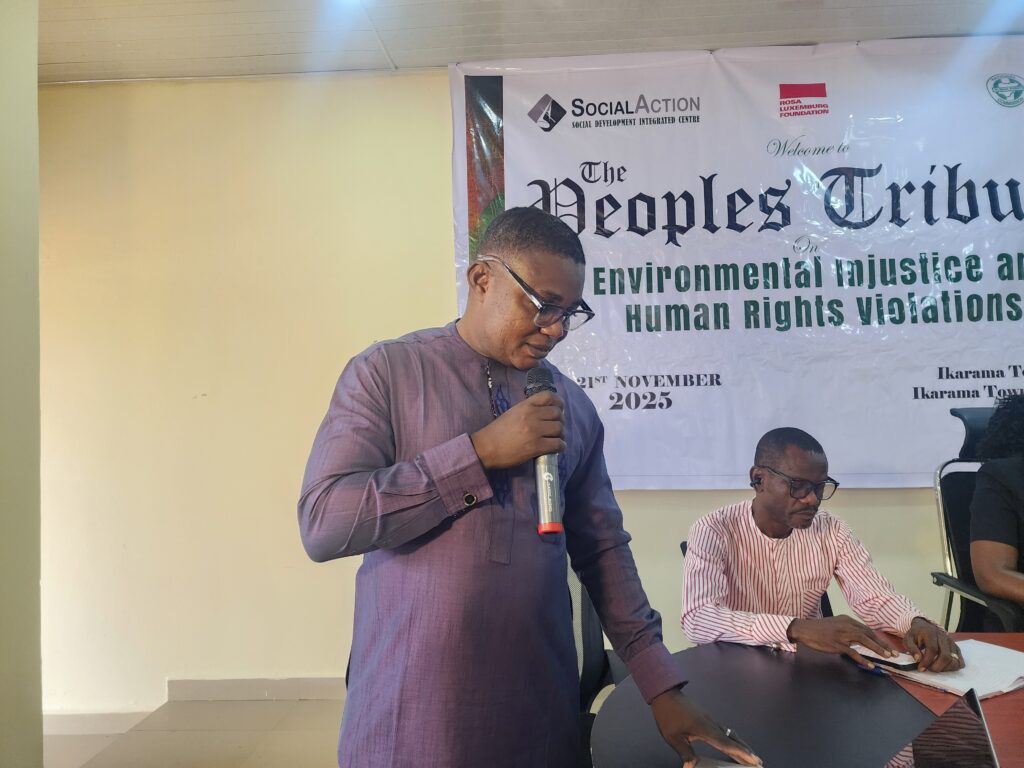
Oil Companies “Have Silenced Victims for Too Long” — Opening Address
Delivering opening remarks on behalf of Social Action’s Director, Dr. Isaac Asume Osuoka, Programs Coordinator Comrade Bonti Isaac delivered a scathing indictment of Nigeria’s oil and gas sector. He denounced multinational oil companies for their long-standing pattern of negligence, impunity, and silencing of vulnerable communities.
Although the Tribunal’s verdict will not carry legal enforcement, he emphasized its moral force and strategic purpose — to amplify community voices, shape future legal engagements, and produce a structured advocacy brief grounded in rigorous evidence.
A Catalogue of Environmental Devastation: Expert Testimony
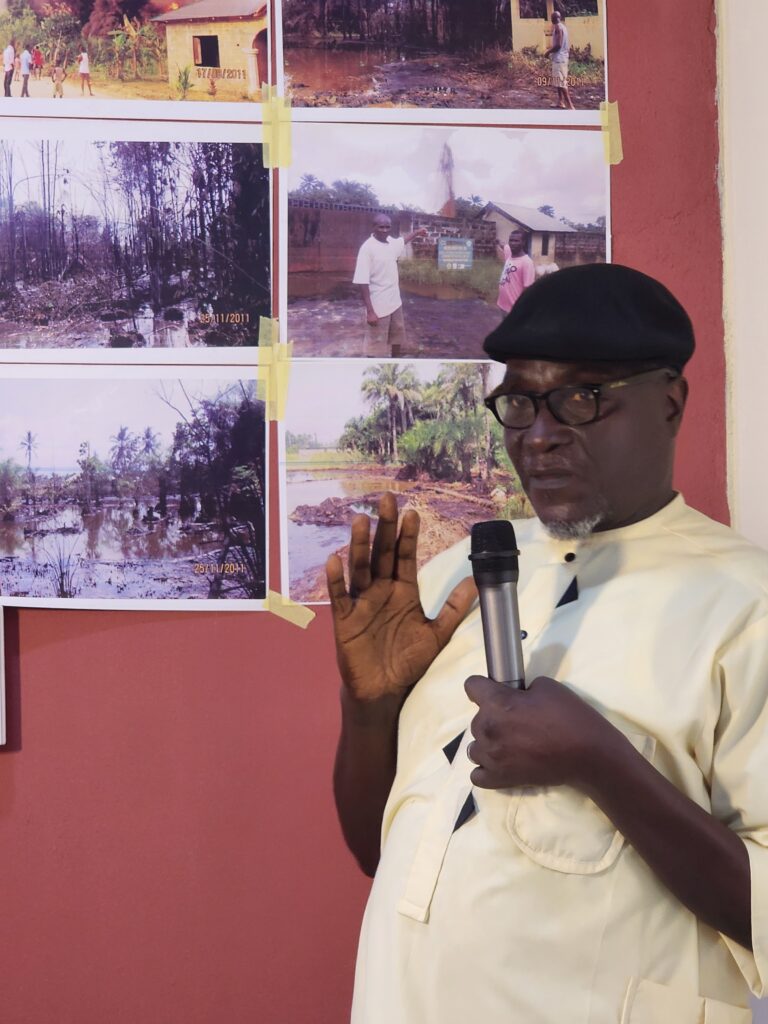
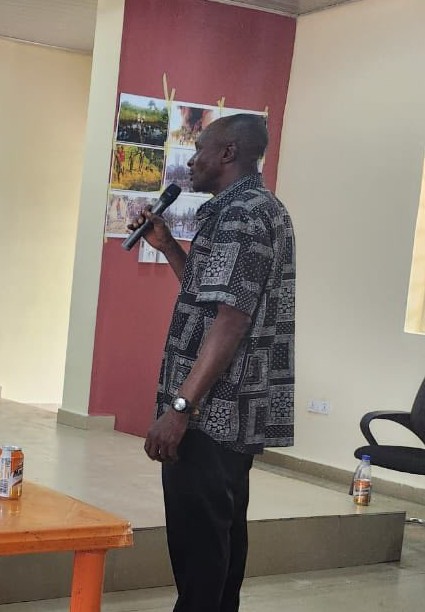
Renowned environmental activist Comrade Morris Alagoa presented a deeply disturbing pattern of oil pollution in Ikarama. Using graphic photographic evidence, he revealed recurrent spillages, reckless burning of spill sites, and poorly executed cleanup practices by Shell and Agip contractors.
His testimony illuminated human costs: the death of a young boy, the slow response to spills, and a worrying surge in cancer-related deaths — including three women lost within three years. Comrade Alagoa concluded that “Ikarama is the community with the highest frequency of spills I have encountered in all my years of environmental monitoring.”
Nine Petitions, One Story: A Community Under Siege
The heart of the Peoples Tribunal beat in the testimonies of ordinary people describing extraordinary suffering. As witness after witness stepped forward, a pattern emerged—not of isolated incidents, but of systematic devastation visited upon families whose only crime was living atop the oil that fueled Nigeria’s economy. Destroyed lakes, poisoned farmlands, and lost livelihoods were central themes in testimonies from families such as the Akpete, Asawari, Aguawari, and Ozowari—names that now stand as monuments to environmental injustice.

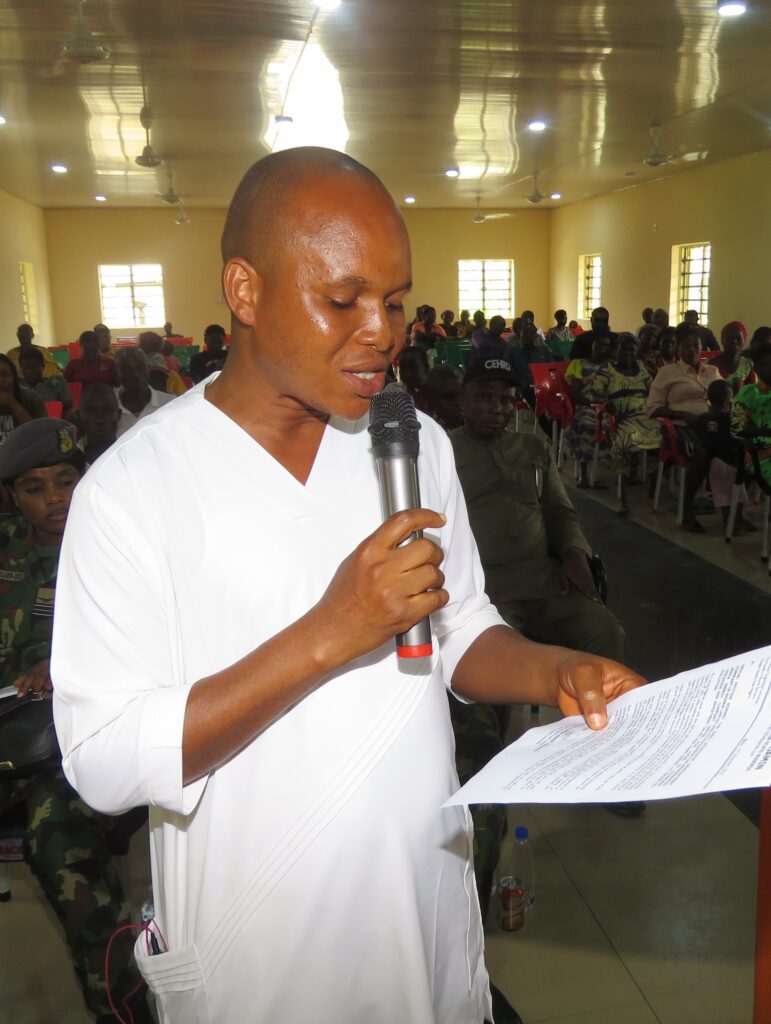
- The Akpete family’s ordeal began in 2018 when a crude oil spill of devastating proportions engulfed their family lake—a water body that had sustained generations. For the Akpetes, this was not merely a financial loss but the destruction of a ancestral heritage. Lakes in the Niger Delta are more than sources of fish; they are living links to lineage, places where fathers taught sons to cast nets and mothers prepared the day’s catch. When the crude arrived, it coated every surface, suffocated every living thing, and turned crystal water into a toxic soup. The family watched their protein source, their livelihood, and their legacy die in slow motion as the oil spread and the cleanup never came.
- The Oboun lake tells an even more harrowing story of cumulative destruction. Unlike a single catastrophic event, the Oboun has been subjected to repeated violations—spills in 2008, 2018, and 2021—each wave of crude delivering another blow to an already gasping ecosystem. What was once a thriving water body teeming with fish and supporting multiple communities has become a dying witness to corporate negligence. With each spill, the lake’s ability to recover diminished. The fish that once provided sustenance and income grew scarce, then disappeared entirely from some areas. The water that communities drank became a carrier of disease. Today, the Oboun lake stands as a testament to death by a thousand cuts—or rather, by three devastating spills that should never have happened.
- The Bodies Keep Score: Beyond the visible destruction of their environment, petitioners spoke of suffering written on their very bodies. The testimony painted a medical horror story with no end in sight.
- Infertility has become an unspoken epidemic in Ikarama, with couples who would traditionally raise large families finding themselves unable to conceive. Young women who should be bearing children watch their dreams of motherhood dissolve. Men who measure their worth partly by their ability to build a family face the private shame of infertility—a shame made worse by its invisibility and the difficulty of proving its connection to the crude that saturates their environment. Yet the science is clear: the aromatic hydrocarbons and heavy metals in oil spills are endocrine disruptors that attack reproductive systems directly.
- Respiratory ailments afflict nearly everyone who has lived long in Ikarama. The soot from burnt spill sites—a constant presence where companies have set crude ablaze rather than cleaned it properly—fills the air with particulates that scar lung tissue. Children born after major spills develop with compromised lungs. Elders who once walked miles without fatigue now struggle for breath after short distances. Asthma, chronic bronchitis, and mysterious lung conditions have become so common that residents almost forget that clean air exists elsewhere in the world.
- Vision problems plague the community in ways that ophthalmologists would recognize as consistent with hydrocarbon exposure. The eyes—with their delicate membranes and direct connection to the outside world—absorb toxins from air and water alike. Residents report gradual dimming of sight, persistent irritation, and in some cases, blindness that creeps in slowly, stealing first the ability to read, then to recognize faces, then to navigate the familiar paths of home.
- The economic collapse that follows environmental destruction is total. A farmer whose land produces only poisoned crops cannot sell at market. A fisherman whose lake yields only dead fish cannot feed his family. A mother who must spend her days seeking medical care for sick children cannot engage in trade. The economy of Ikarama has not just contracted; it has been systematically dismantled, with every livelihood dependent on an environment that no longer sustains life.
- A Brother’s Death, A Community’s Grief
- Perhaps the most devastating testimony came from Mr. Washington Odeyibo, whose voice carried the weight of two decades of unresolved grief. His younger brother was shot in 2001 under accusations of pipeline vandalism—accusations that the family maintains were false, but that in the chaos of security operations in the Delta, were never properly investigated.
- What followed was not justice but abandonment. The wounded man was denied adequate medical care, left to suffer while his family watched and pleaded. When death finally claimed him, it was not from the bullet alone but from the system’s refusal to value his life enough to save it. Two decades later, Mr. Odeyibo stood before the tribunal seeking what no court had given him: acknowledgment that his brother mattered, that his death was not inevitable, that someone should have been held accountable.
The Demands of the Damaged. As each petitioner finished their testimony, a pattern emerged in their concluding words—a set of demands so consistent they amounted to a collective manifesto for environmental justice.
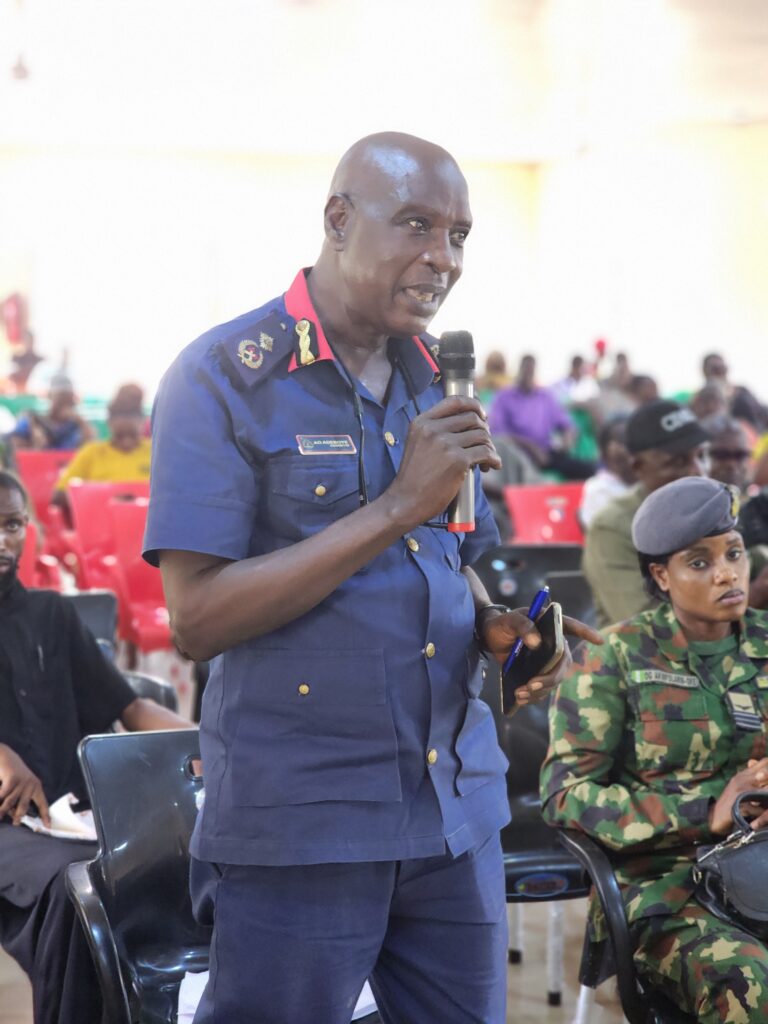
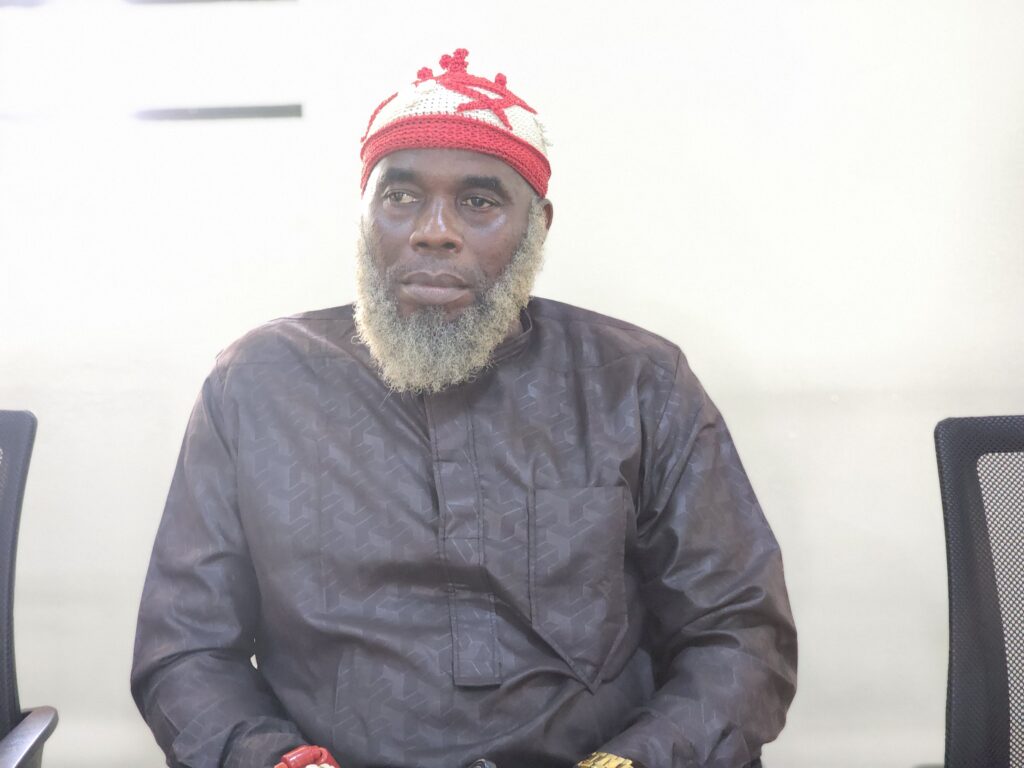
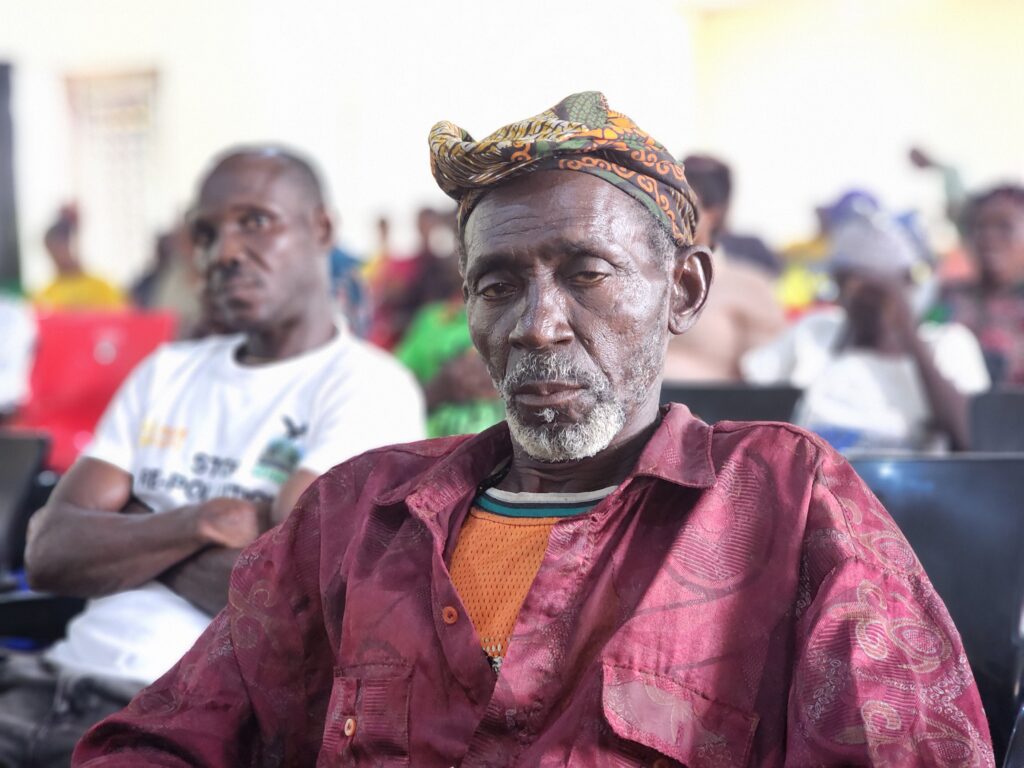
Compensation featured prominently in every request. Not as an admission that money can replace lost health or lost loved ones, but as the only form of acknowledgment the legal system recognizes. The families of Ikarama have calculated not just lost income but lost potential—the children who might have been born, the fish that might have been caught, the crops that might have been harvested. They demand that those who destroyed their environment be made to pay for what they took
Remediation was demanded not as a favor but as a right. The oil that sits in their soil and water must be removed—not superficially, not partially, but completely. Communities have watched too many “cleanup” exercises that amounted to little more than photo opportunities, leaving the poison where it lay while companies claimed to have fulfilled their obligations.
Proper cleanup means scientific standards, independent verification, and timelines that are kept. It means removing crude from places that are difficult to reach, not just from areas visible to inspectors. It means restoring soil to the point where it can grow food again, and water to the point where it can sustain life
Ecological restoration goes beyond cleanup to rebirth. The communities of Ikarama do not simply want the poison removed; they want their environment returned to them. They want lakes that teem with fish, forests that burst with game, and farms that yield abundant harvests. They want their children to know the world their grandparents knew—a world where nature provided and people prospered.
These demands, repeated by family after family, petitioner after petitioner, amount to a collective cry for justice long denied. The Akpete family, watching their ancestral lake die. The users of Oboun lake, witnessing its slow murder across three separate spills. The infertile couples, the breathless elders, the vision-impaired workers. Mr. Washington Odeyibo, still grieving a brother killed two decades ago. They came to the tribunal not expecting immediate salvation, but seeking what every human being deserves: to be heard, to be believed, and to have their suffering acknowledged by the institutions with the power to prevent it from continuing.
In their testimonies, the abstract concept of “environmental injustice” acquired a human face—many faces, each bearing the particular marks of a crisis that has lasted too long and claimed too much. The tribunal could not resurrect the dead or restore the poisoned lakes. But by bearing witness, it ensured that their stories would not die with them

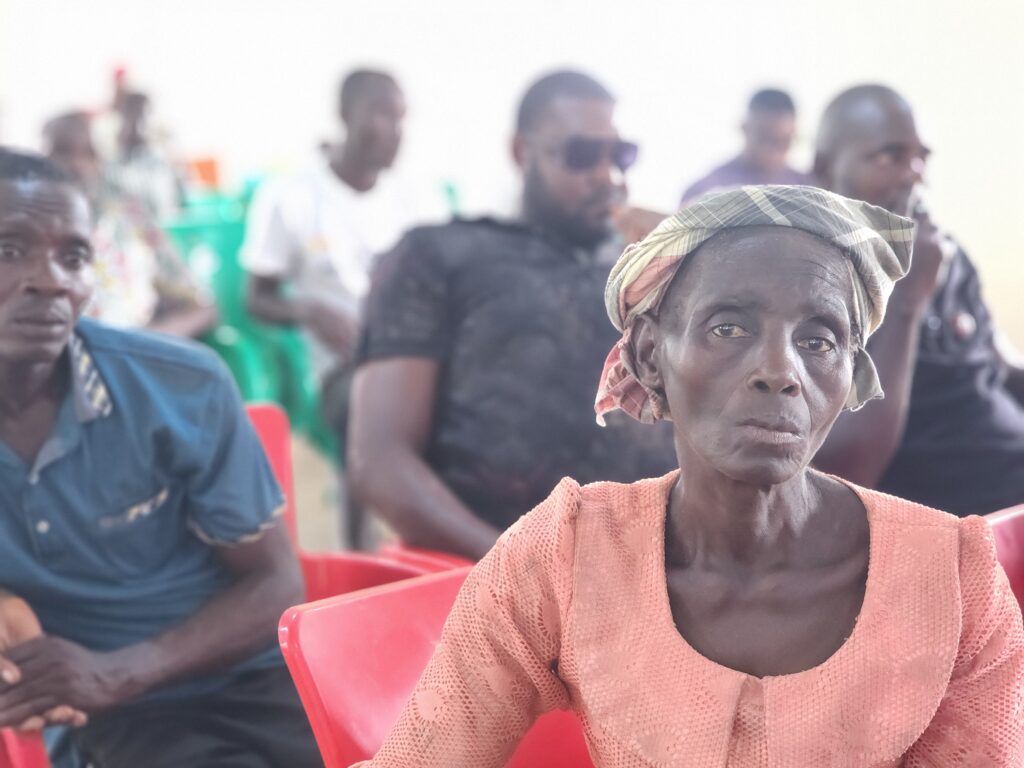
Jurors Chart a Path Forward: Evidence, Unity, Urgency
The jury issued strong recommendations aimed at empowering Ikarama to pursue justice more effectively:
1. Consolidate Efforts for Stronger Action
Instead of isolated claims, the community was advised to unify their cases and work with a skilled environmental lawyer to build a formidable legal strategy.
2. Strengthen Evidence with Professional Studies
To establish a strong cause of action, the jury urged the commissioning of scientific studies—Health Impact Assessments, environmental analyses, and professional valuation of losses.
3. Act Urgently to Beat Limitation Laws
Statutes of limitation pose significant risk. The DPO of Biseni reiterated the importance of timely eyewitness reporting and strong legal representation.
4. Think Beyond Compensation
While compensation is important, jurors emphasized pursuing long-term investments and remediation plans that secure sustainable futures for the affected families and the entire community.
Community Plea: “Some of These Problems Started Before I Was Born”
In a heartfelt intervention, the Paramount Ruler of Ikarama appealed for sustained support from civil society, noting that some of the community’s environmental issues predate his own birth — a tragic testament to the scale and longevity of the crisis.
Closing: A Platform for Truth and Justice
In his concluding remarks, Comrade Bonti Isaac expressed gratitude to partners and participants, affirming that the Tribunal had succeeded in creating a vital platform for citizens to engage state institutions and formally articulate their grievances.
He described the Tribunal as a “milestone in the journey toward justice—not just for Ikarama, but for all communities battling environmental and human rights abuses across the Niger Delta.”