Pollution, Disease, and Justice: Addressing the Health Impacts of Oil Extraction in the Niger Delta of Nigeria
-
by
Peter Mazzi
Stakeholder Meeting on the Health Impact of Fossil Fuel Pollution in Nigeria
Yenagoa, Bayelsa State – 27 May 2026
For decades, discussions about oil extraction in the Niger Delta have focused on oil spills, gas flaring, environmental degradation, loss of livelihoods, and the destruction of fragile ecosystems. Yet behind the polluted rivers, devastated mangrove forests, contaminated farmlands, and soot-filled skies lies another crisis—less visible but potentially even more devastating. It is a crisis measured not only in barrels of spilled crude oil or hectares of damaged wetlands, but in rising illness, shortened lives, damaged reproductive health, chronic respiratory disease, cancers, and the growing burden of disease borne by communities living at the heart of Nigeria’s petroleum industry.
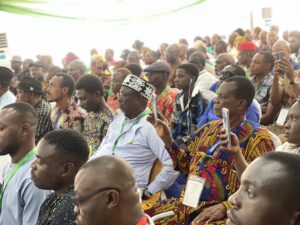
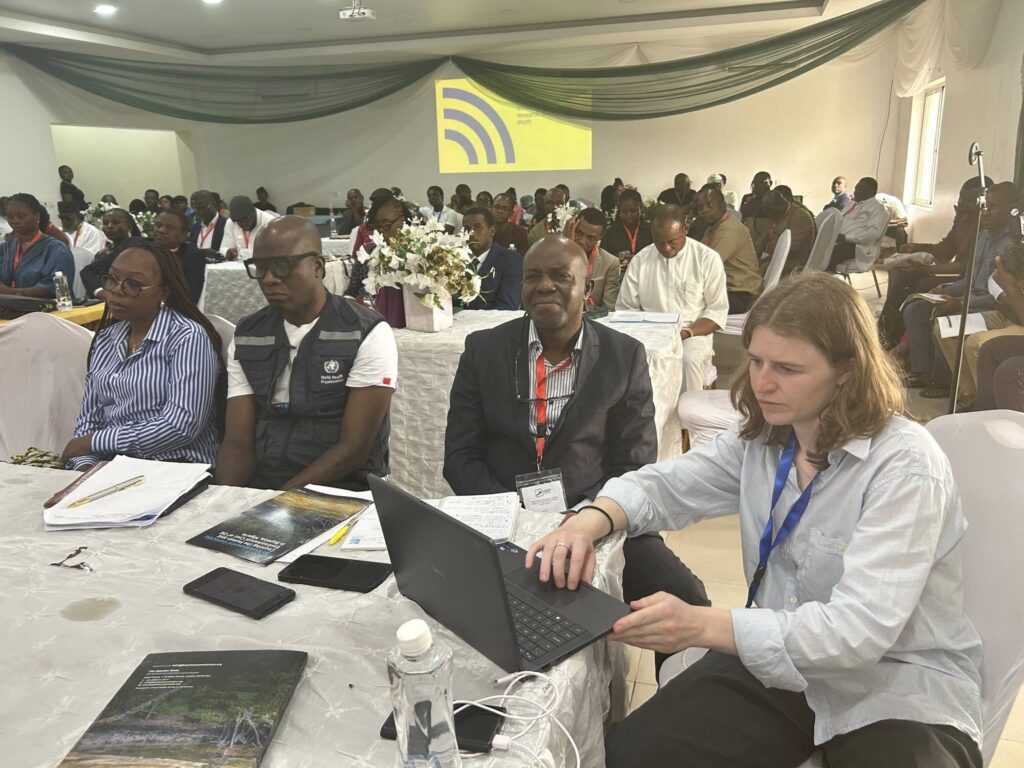
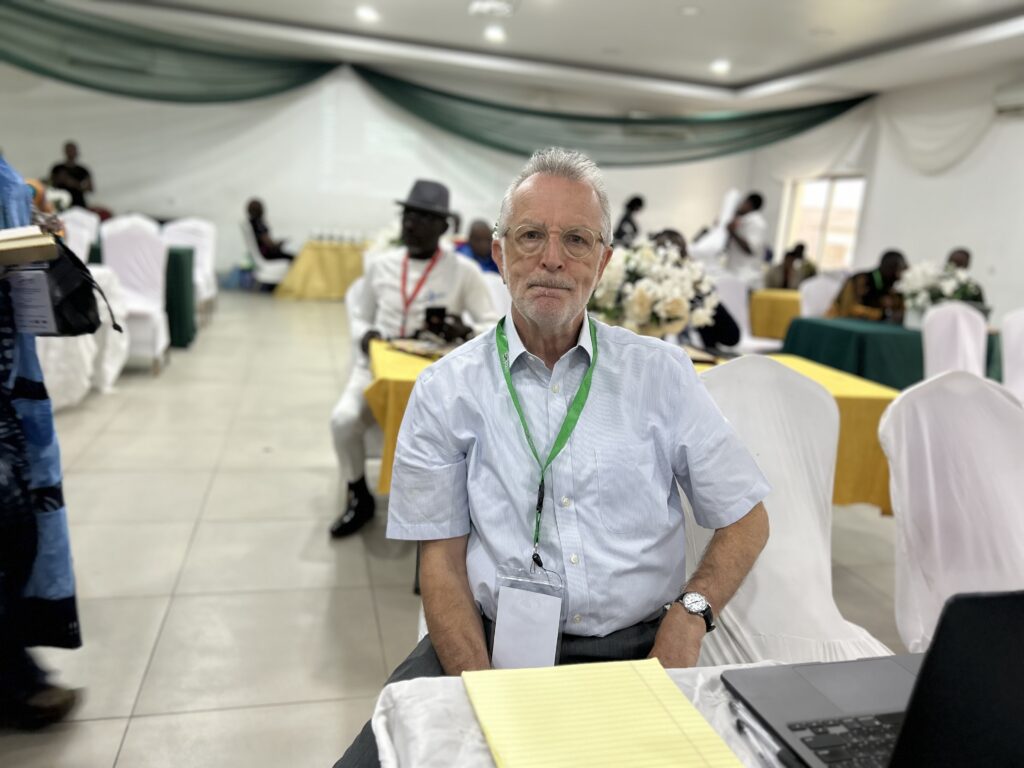
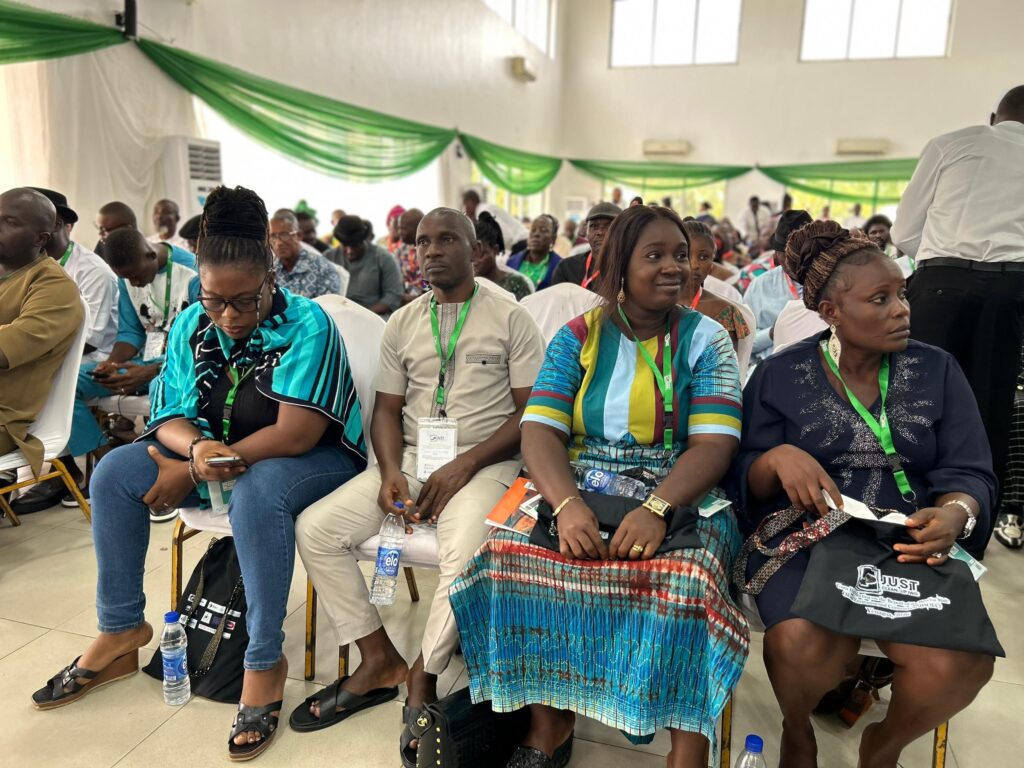
This hidden crisis took centre stage on 27 May 2026 when researchers, public health experts, environmental scientists, medical practitioners, civil society leaders, community representatives, policymakers, and international scholars gathered at the Chief Harold Dappa-Biriye Hall, Government House Annex, Yenagoa, Bayelsa State, for a landmark Stakeholder Meeting on the Health Impact of Fossil Fuel Pollution in Nigeria.
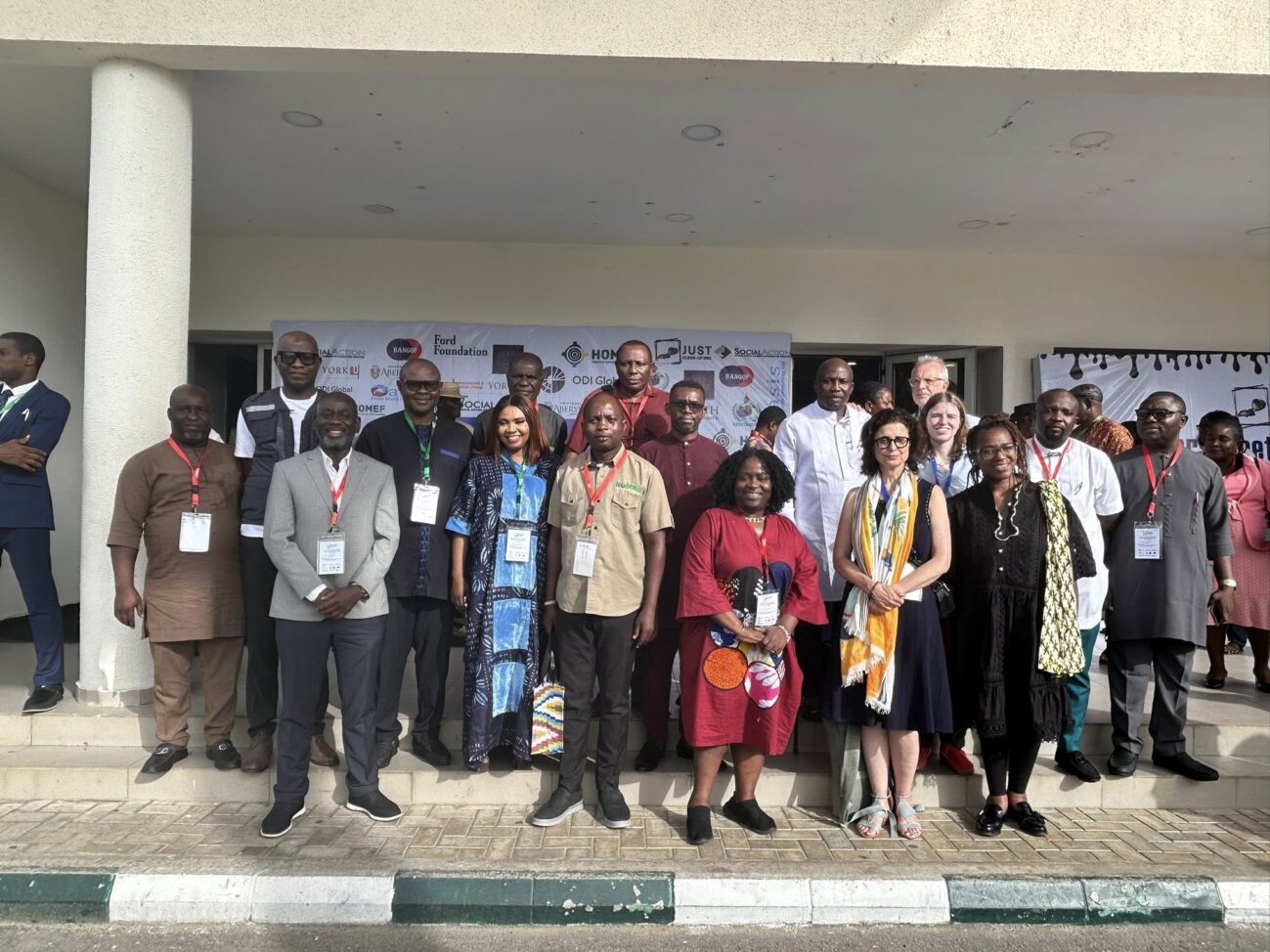
Convened by the International Working Group on Petroleum Pollution and Just Transition in the Niger Delta (IWG), Social Action, Kebetkache Women Development and Resource Centre, ODI Global, and hosted by Oasis Health Group, the meeting represented one of the most significant efforts yet to place public health at the centre of conversations about environmental justice in the Niger Delta.
The gathering brought together representatives of the Bayelsa State Ministry of Health, the World Health Organisation (WHO), the National Oil Spill Detection and Response Agency (NOSDRA), the National Environmental Standards and Regulations Enforcement Agency (NESREA), academics, toxicologists, epidemiologists, environmental scientists, women’s organisations, community leaders, and members of the International Working Group. Among those participating were IWG members Professor Anna Zalik, Dr Kathryn Nwajiaku-Dahou, Professor Michael Watts, Professor Engobo Emeseh, and Dr Isaac ‘Asume’ Osuoka. Other experts included Professor Kingsley Patrick-Iwuanyanwu, President of the West African Society of Toxicology, and several leading Nigerian and international researchers working on environmental health and extractive industries.
The meeting forms part of a broader effort by the International Working Group to advance implementation of the recommendations of the Bayelsa State Oil and Environmental Commission (BSOEC), whose groundbreaking report, An Environmental Genocide: Counting the Human and Environmental Cost of Oil in Bayelsa, remains one of the most comprehensive assessments ever undertaken of the environmental and human consequences of oil extraction in Nigeria.
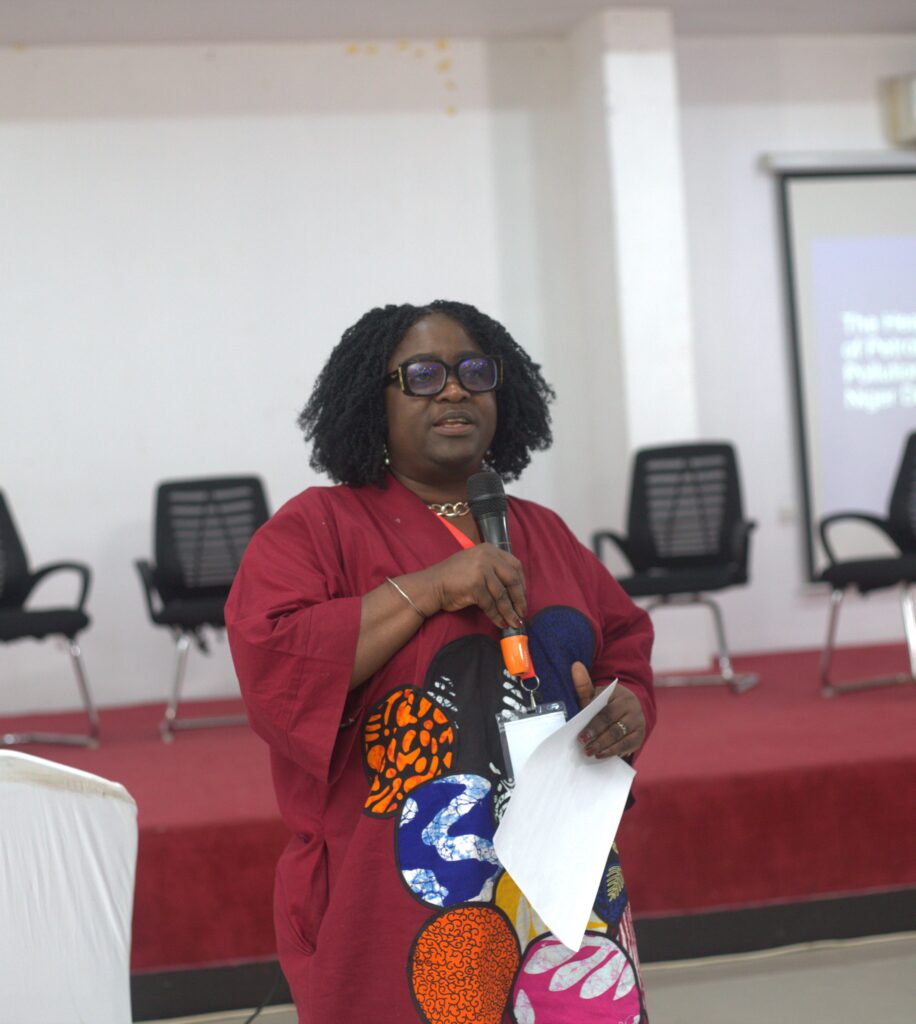
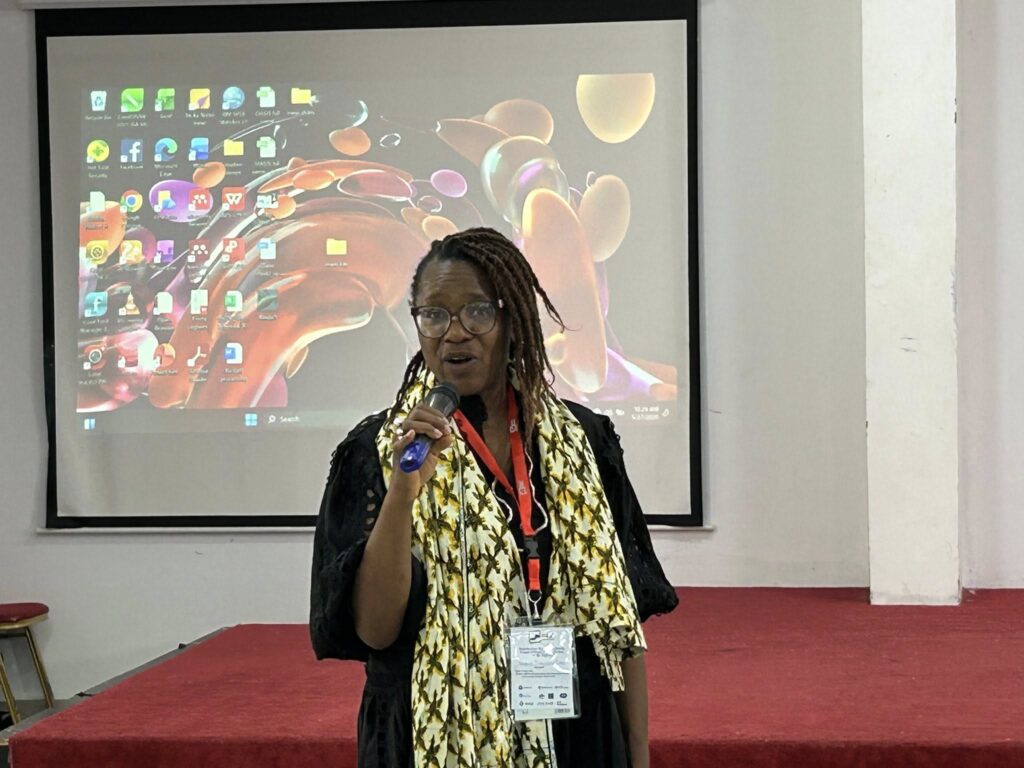
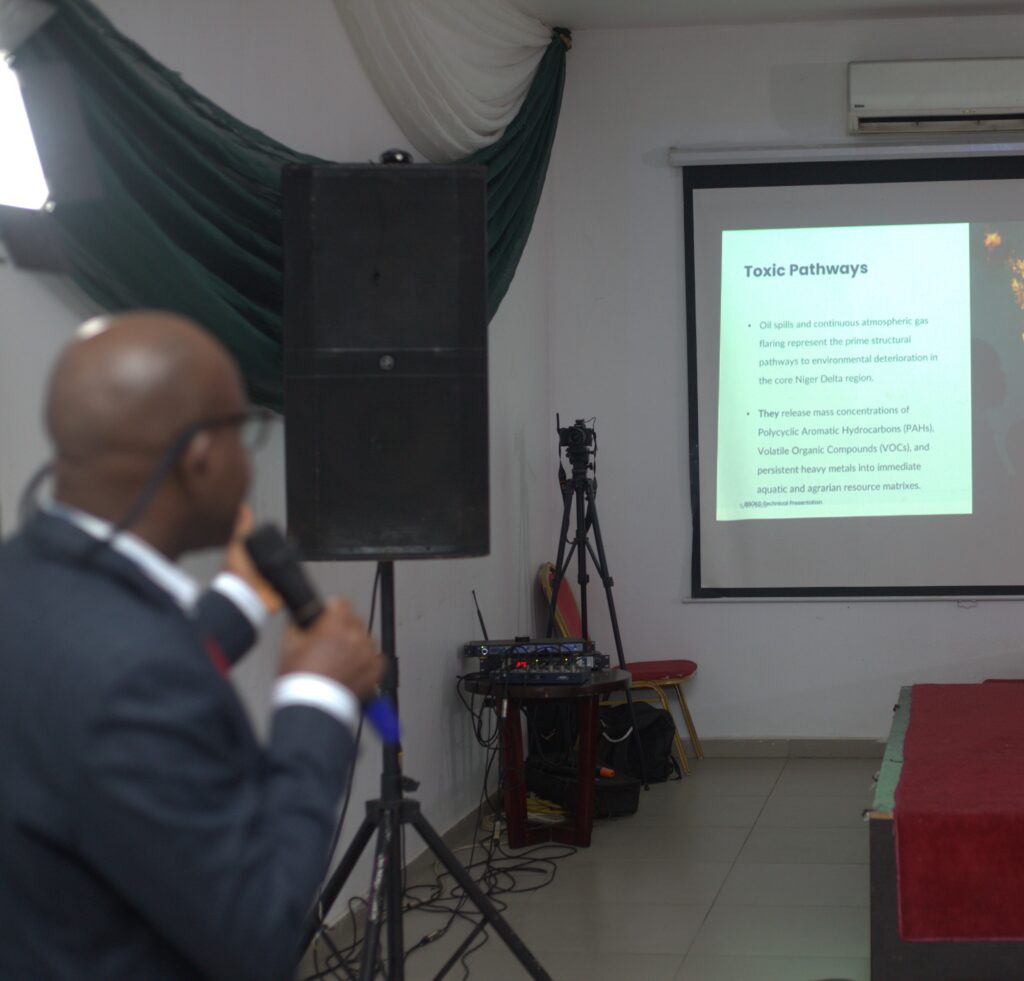
Setting the tone for the discussions, Professor Engobo Emeseh explained that the engagement was intended to build on the findings of the Bayelsa Commission while broadening collaboration around implementation of its recommendations. While the Commission focused on Bayelsa State, she stressed that the environmental and public health consequences of petroleum pollution extend far beyond state boundaries. According to her, communities across the Niger Delta are interconnected through shared ecosystems, rivers, livelihoods, and patterns of exposure. Addressing the crisis therefore requires collective action from governments, civil society organisations, researchers, development partners, and affected communities. She reminded participants that they were not merely observers but part of the solution, emphasising that the effort seeks to carry the lessons from Bayelsa to the wider Niger Delta, Nigeria, and the international community.
FROM ENVIRONMENTAL CRISIS TO PUBLIC HEALTH EMERGENCY
Opening the discussions, Dr Kathryn Nwajiaku-Dahou reflected on the stark contradiction that defines life in the Niger Delta. The region has generated enormous wealth for Nigeria and for multinational oil companies over nearly seven decades of oil production. Yet many of the communities closest to oil wells, pipelines, flow stations, and gas flares continue to live without access to clean water, quality healthcare, or a healthy environment.
In a keynote presentation, Professor Abisoye Oyeyemi, head of Oasis Health Group, framed the day’s discussions around the urgent need to move from general concern about pollution to a more systematic public health response. Speaking from a public health perspective, Professor Oyeyemi underscored the importance of rigorous research, credible data, and sustained health surveillance in communities affected by fossil fuel pollution. He stressed that pollution-related illnesses cannot be adequately addressed without strong epidemiological studies, reliable laboratory systems, and public health programmes designed specifically for communities exposed to hydrocarbon pollution, gas flaring, contaminated water, and toxic substances.
THE BAYELSA COMMISSION’S ALARMING FINDINGS
Much of the meeting focused on evidence generated by the Bayelsa State Oil and Environmental Commission, which documented extensive contamination of air, water, soil, crops, and human populations across Bayelsa State. Its investigations revealed a level of environmental degradation and toxic exposure that many participants described as unprecedented.
Expanding on the Commission’s findings, Dr Kathryn Nwajiaku-Dahou described the scale of pollution documented in Bayelsa as both an environmental catastrophe and a public health emergency. She noted that the volume of oil spilled in Bayelsa over several decades far exceeded some of the world’s most infamous oil disasters. Drawing comparisons with the Exxon Valdez oil spill, she explained that Bayelsa had experienced between ten and fifteen times the volume of oil-related pollution over a fifty-year period. While the Exxon Valdez disaster released approximately 11 million gallons of oil, evidence reviewed by the Commission suggested that Bayelsa experienced between 110 and 165 million gallons over decades of extraction and repeated spill incidents.
The report found that Bayelsa accounted for approximately 25 percent of all recorded oil spills in Nigeria between 2006 and 2020. During that period alone, more than 3,500 oil spills were recorded and over 109,000 barrels of crude oil were released into the environment.
Scientific investigations conducted by the Commission revealed extraordinarily high levels of contamination. Groundwater samples in some locations contained chromium concentrations exceeding World Health Organisation guidelines by more than one thousand times. Total Petroleum Hydrocarbon concentrations reached levels up to one million times the accepted standards. Blood samples collected from more than 1,600 residents across Bayelsa State revealed widespread exposure to hydrocarbons and carcinogenic metals.
The Commission also documented the health implications of widespread gas flaring. Approximately 330,000 Bayelsans were found to live close to gas flare facilities. Across the wider Niger Delta, an estimated 2.2 million people live within four kilometres of active gas flares. Participants noted that these communities are routinely exposed to sulphur dioxide, nitrogen oxides, benzene, volatile organic compounds, soot, particulate matter, and polycyclic aromatic hydrocarbons (PAHs), substances associated with respiratory illnesses, cardiovascular disease, reproductive disorders, neurological damage, developmental abnormalities, and elevated cancer risks.

.
Experts explained that PAHs are known to increase risks of cancer, reproductive disorders, immune system impairment, developmental abnormalities, endocrine disruption, and respiratory illnesses.
Dr Nwajiaku-Dahou further highlighted evidence linking pollution exposure to rising mortality and morbidity rates in affected communities. Of particular concern were the impacts on infants and unborn children. Findings reviewed by the Commission suggested that exposure to oil pollution before conception and during pregnancy has devastating consequences for child survival. She pointed to evidence indicating that pollution exposure may have contributed to the deaths of thousands of infants within the first month of life, underscoring the intergenerational consequences of environmental contamination in the Niger Delta.
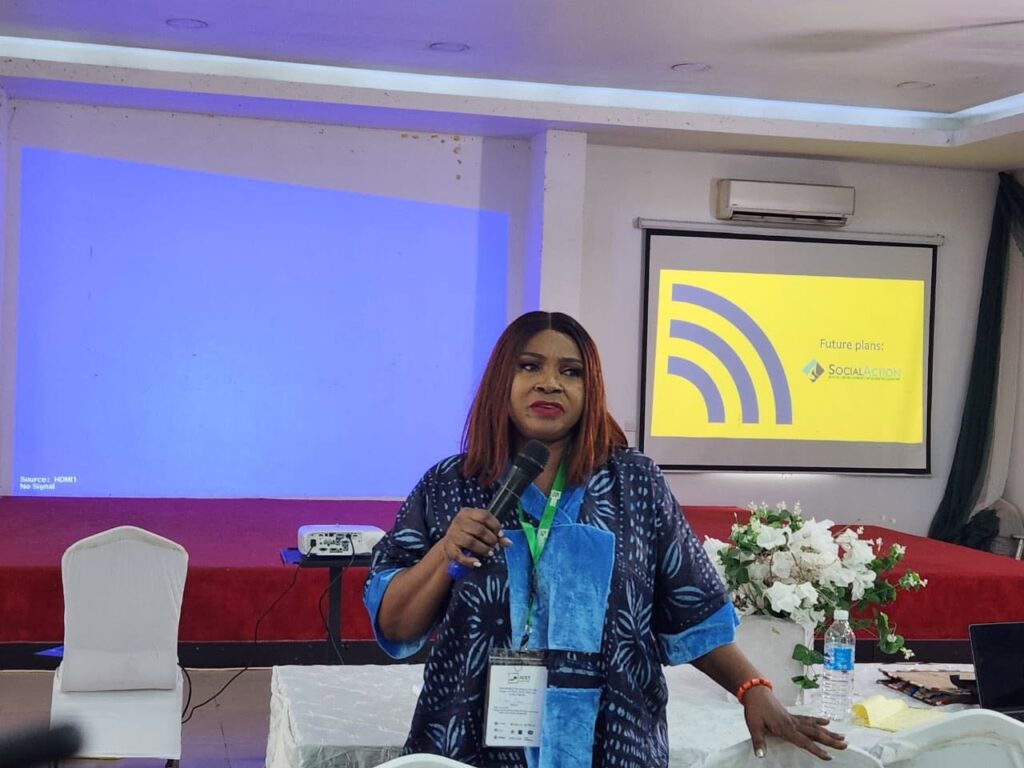
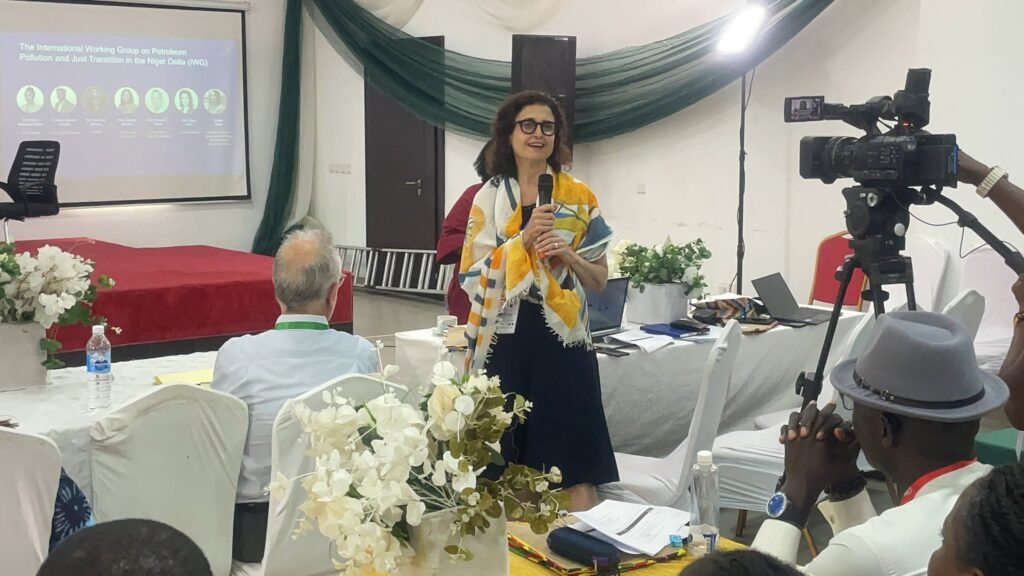

Researchers also presented findings relating to contaminated water sources, degraded soils, crop contamination, and broader exposure pathways affecting communities throughout the region. Water samples from wells and boreholes revealed significant contamination in several communities, while soils collected near oil facilities demonstrated contamination levels capable of undermining agricultural productivity and food safety.
WOMEN AND CHILDREN BEAR THE HEAVIEST BURDEN
Particular attention was devoted to the disproportionate impact of pollution on women and children.
Findings of research by Kebetkache documented elevated concentrations of PAHs in residents’ blood, severe respiratory illnesses, and widespread reproductive health concerns.
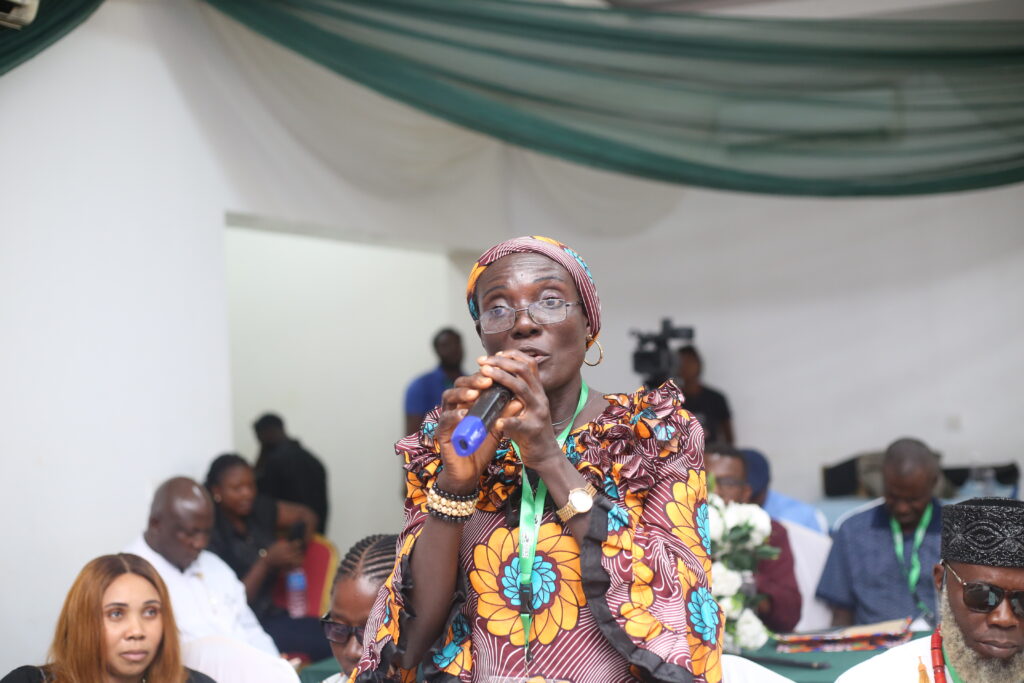
Otuabagi women leaders expressed frustration that despite mounting scientific evidence, government agencies and health institutions have not adequately responded to the findings emerging from affected communities.
Participants lamented the lack of action by relevant authorities despite evidence linking pollution exposure to serious reproductive health challenges among women living in oil-producing communities.
QUESTIONS OF SCIENTIFIC INTEGRITY
Another important issue raised during the meeting concerned the credibility and independence of environmental testing. Several researchers expressed concern that some environmental laboratories may be compromised by relationships with oil industry operators, potentially undermining confidence in environmental assessments. One expert recounted experiences where visibly polluted water samples were initially declared safe by certain laboratories, only for independent testing to reveal extremely high concentrations of hydrocarbons and toxic substances.
Participants stressed that credible science is essential if affected communities are to secure justice. Independent laboratories, transparent methodologies, and internationally recognised protocols were therefore identified as critical requirements for future research and accountability efforts.
INTERNATIONAL SOLIDARITY AND GLOBAL ATTENTION
The meeting benefited significantly from the participation of international scholars and members of the International Working Group. Professor Anna Zalik highlighted the importance of linking the struggles of Niger Delta communities to broader global debates around extractive industries, public health, environmental justice, and just transition.
Dr Kathryn Nwajiaku-Dahou emphasised that the challenge is no longer simply one of generating evidence. Rather, the challenge is ensuring that evidence leads to action capable of improving the lives of affected communities.
Professor Engobo Emeseh, who served on the Bayelsa Commission and now serves on the International Working Group, delivered some of the meeting’s most memorable remarks. Reflecting on the Commission’s work, she stated:
“My colleagues and I, who were members of the expert working group, were deeply traumatised by what we found in Bayelsa State. We described our findings as environmental genocide.”
She warned that people across the state are effectively being forced to live on contaminated land, breathe polluted air, and consume unsafe water. Emeseh also reminded participants that the Bayelsa crisis cannot be viewed in isolation. The environmental and health impacts transcend administrative boundaries and affect communities across the wider Niger Delta. She emphasised that meaningful solutions would require solidarity across communities, institutions, and nations, describing the effort as a journey “from Bayelsa to the world.”
Dr Isaac ‘Asume’ Osuoka, head of Social Action, emphasised that the health impacts of fossil fuel pollution must be understood not only as a scientific or environmental concern, but also as a matter of human rights, justice, and corporate accountability.
He reminded participants that the Bayelsa State Oil and Environmental Commission’s report belongs first and foremost to the people and government of Bayelsa State and that its future impact depends on how effectively its recommendations are embraced and implemented. He explained that several members of the Commission’s expert working group subsequently established the International Working Group on Petroleum Pollution and Just Transition in the Niger Delta to continue advancing the Commission’s recommendations and supporting implementation efforts in collaboration with partners such as Oasis Health Group and other institutions involved in health assessments and environmental research.

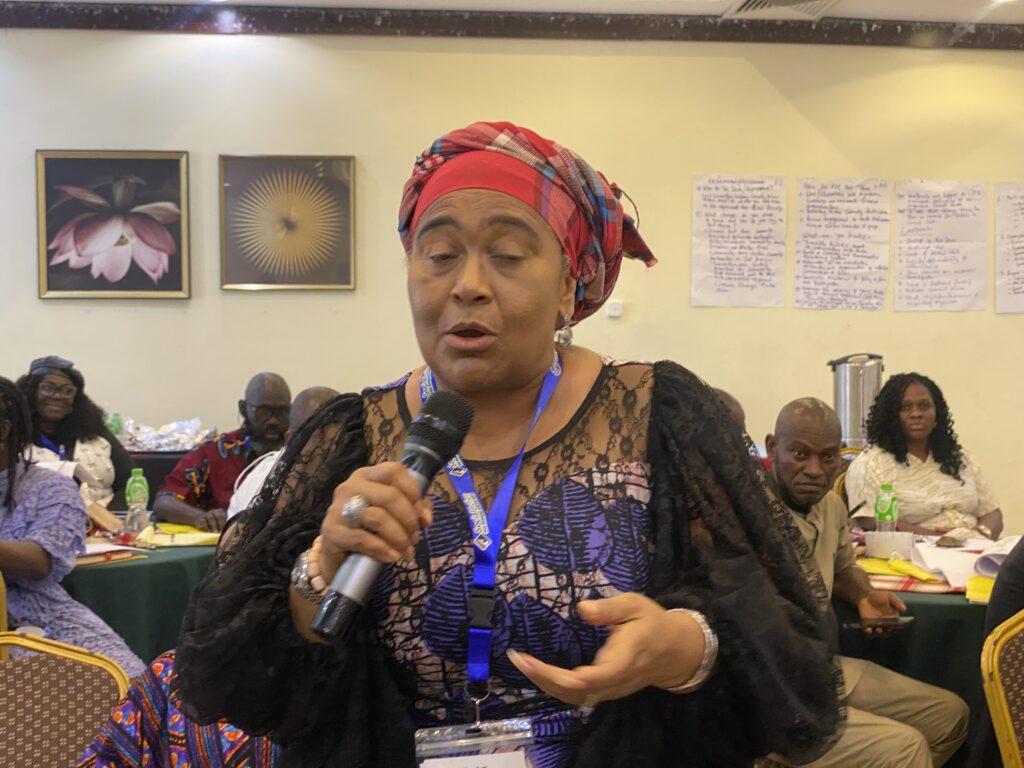
For Social Action, the meeting represented an important step in ensuring that scientific evidence is connected to community advocacy, public policy, and demands for accountability. Dr Osuoka stressed that research must not remain on paper. It must support concrete action, including remediation of polluted environments, restoration of safe drinking water, health screening for exposed populations, stronger regulation, and justice for communities whose lives and livelihoods have been damaged by decades of extraction.
FROM RESEARCH TO ACTION
While participants welcomed ongoing scientific research, community representatives repeatedly stressed that research alone is insufficient. Across the meeting there was a strong sense of urgency. Communities cannot wait years for additional studies while exposure continues and health conditions deteriorate.
Community representatives welcomed the growing body of scientific evidence but expressed concern that many previous studies and reports on environmental degradation in the Niger Delta had failed to produce meaningful change. Some questioned what guarantees existed that the findings presented would lead to action rather than join a long list of unimplemented recommendations. Others argued that the evidence increasingly points to what they described as an ongoing environmental genocide and stressed that accountability must remain central to future advocacy efforts.
Participants also drew attention to the growing challenge posed by artisanal refining activities, commonly referred to as the “shadow oil economy” or “kpo-fire” operations. While acknowledging that industrial pollution remains a major concern, contributors noted that crude refining activities conducted outside regulatory frameworks create additional environmental and public health risks. They urged researchers and policymakers to incorporate data on these activities into future assessments and encouraged communities to develop local strategies for reducing and eventually eliminating such harmful practices.
GOVERNMENT AGENCIES AND COMMUNITY RESPONSES
Representatives of regulatory agencies highlighted ongoing efforts to address pollution-related risks and improve public awareness. Officials from the National Oil Spill Detection and Response Agency (NOSDRA) explained that the agency continues to coordinate responses to oil spill incidents across Nigeria and works with communities and civil society organisations to improve awareness of the environmental and health consequences of oil pollution. Through sensitisation programmes and community engagement initiatives, the agency seeks to strengthen local understanding of pollution risks and response mechanisms.
Representatives of the National Environmental Standards and Regulations Enforcement Agency (NESREA) outlined the agency’s role in monitoring compliance with environmental regulations, particularly those relating to air quality. They explained that facilities are routinely inspected to ensure compliance with pollution control standards and permit requirements, while public enlightenment campaigns continue to promote environmental responsibility and awareness.
Contributors from civil society and the public health sector emphasised that despite existing regulatory measures, many communities remain exposed to dangerous levels of air pollution. Participants cited continued gas flaring, persistent soot deposition, and widespread respiratory illnesses as evidence of the urgent need for stronger enforcement and more effective interventions.
One panellist observed that residents need only inspect household surfaces and ceiling fans to see the extent of soot accumulation, describing it as a visible reminder of the pollution burden borne daily by communities across Yenagoa and other parts of the state. Several speakers stressed the importance of sustained advocacy, communication, and community mobilisation in addressing the crisis.
Another participant noted that the evidence presented at the meeting, together with findings from other studies, provides an important basis for evidence-based policymaking and can help guide future decisions aimed at protecting public health and reducing exposure to harmful pollutants.
LOOKING AHEAD
The meeting concluded with renewed determination to deepen research, strengthen advocacy, and advance implementation of the Bayelsa Commission’s recommendations.
Participants agreed that protecting human health must become a central pillar of efforts to address the legacy of fossil fuel pollution in the Niger Delta. The evidence presented throughout the day pointed to a region facing chronic exposure to pollutants that threaten current and future generations alike.
Participants further agreed that addressing the health impacts of fossil fuel pollution will require a combination of scientific research, stronger regulatory enforcement, community participation, environmental remediation, and sustained political commitment at local, national, and international levels.