Reclaiming Civic Space: Civil Rights Council Demands Constitutional and Political Reforms for Women’s Equal Representation
-
by
Peace Agbo
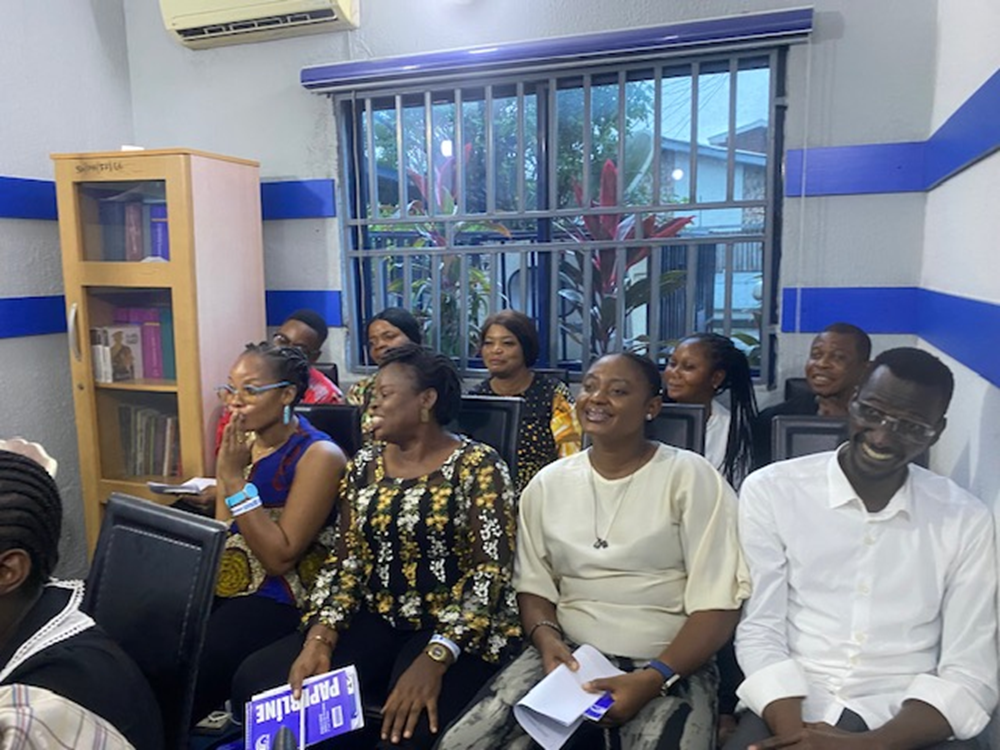
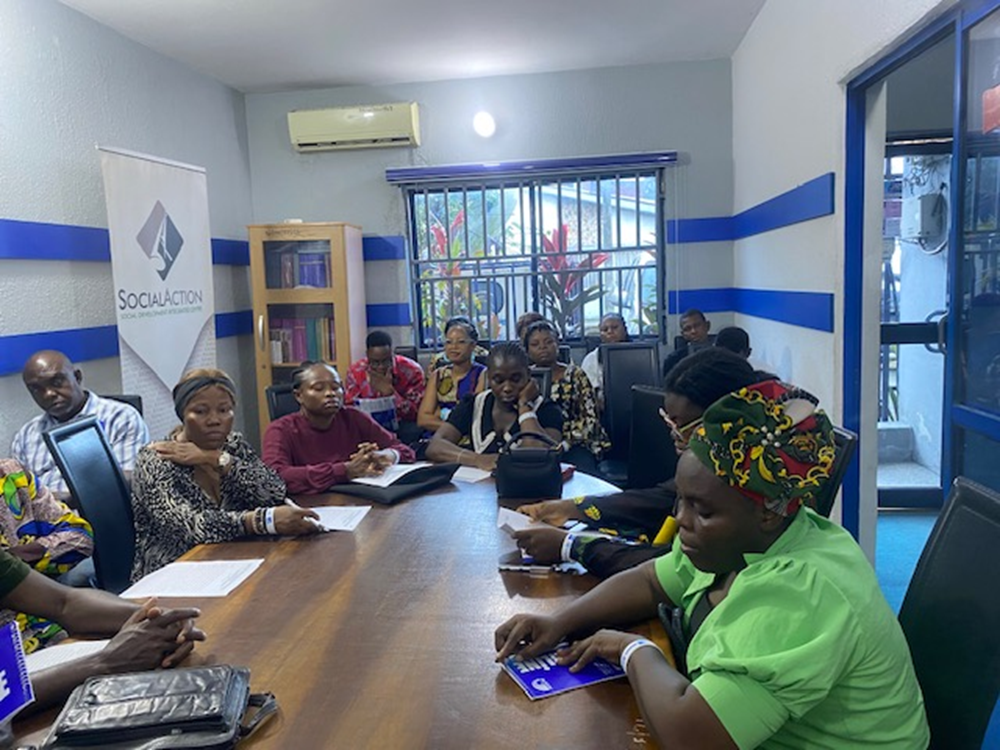
The Civic Space and Human Rights Education Seminar, held under the Include Naija Project, brought together members of the Civil Rights Council to critically examine the theme: “Civic Space and the Marginalization of Women in Politics: The Right to Political Representation and an Appraisal of the National Assembly.” The meeting anchored by Comrade Sebastain Kplap spotlighted the persistent exclusion of women from Nigeria’s political structures, despite constitutional guarantees of equality and Nigeria’s commitments under international conventions such as the Convention on the Elimination of All Forms of Discrimination Against Women (CEDAW) and the African Charter on Human and Peoples’ Rights.
Women’s Marginalization in Politics: Facts and Realities
In Nigeria’s 10th National Assembly (2023), only 17 out of 469 members (3.6%) are women. Three senators and 14 members of the House of Representatives. This represents a decline from the 9th Assembly (2019), which had 21 female lawmakers. Nigeria remains one of the lowest ranked countries globally in terms of women’s political representation, far below the global average of 26.7% and the African regional average of 24%. Despite making up nearly half of the Nigerian population, women remain structurally excluded from political participation due to cultural barriers, lack of party support, financial constraints, electoral violence, and gender discrimination. Attempts to introduce gender-related constitutional amendments in 2022 (such as 35% affirmative action for women in political party leadership and reserved seats for women in legislatures) were rejected by the National Assembly, further reinforcing systemic marginalization. The seminar was solely organized to address these issues.
Seminar Insight
Participants at the seminar emphasized that the civic space is incomplete without women’s voices. The absence of women in governance weakens democracy, silences diverse perspectives, and perpetuates policies that fail to address the needs of women and girls.
Members of the Civil Rights Council stressed that political marginalization is a human rights issue. Denying women equitable representation violates their constitutional right to participation and undermines Nigeria’s democratic project.
Call to Action

Women’s political participation is not just a matter of representation — it is a matter of justice, equality, and human rights.”
— Barr. Arochukwu Paul Ogbonna, Civil Rights Council
The seminar presentation by Dr. Frank Nunubari buttressed the need for the implementation of affirmative action and constitutional reforms to guarantee women’s representation in governance. Stronger political education and mobilization campaigns to encourage women’s participation at grassroots and national levels. Engagement with civil society, political parties, and state institutions to challenge discriminatory practices and create a more inclusive civic space.
During the closing remark, while also addressing some cultural, societial and constitutional concerns, Barrister Arochukwu Paul Ogbonna told participant the The Include Naija Project: “Know Your Rights, Know Your Power” reaffirms Civil Rights Council’s commitment to defending civic space and amplifying marginalized voices. According to him, Women’s political participation is not just a matter of representation, it is a matter of justice, equality, and human rights.