Reclaiming Rights, Rewriting Futures: Inside The 2025 Social Action Camp
-
by
saction_
Reclaiming rights, rewriting futures: inside the 2025 Social Action Camp
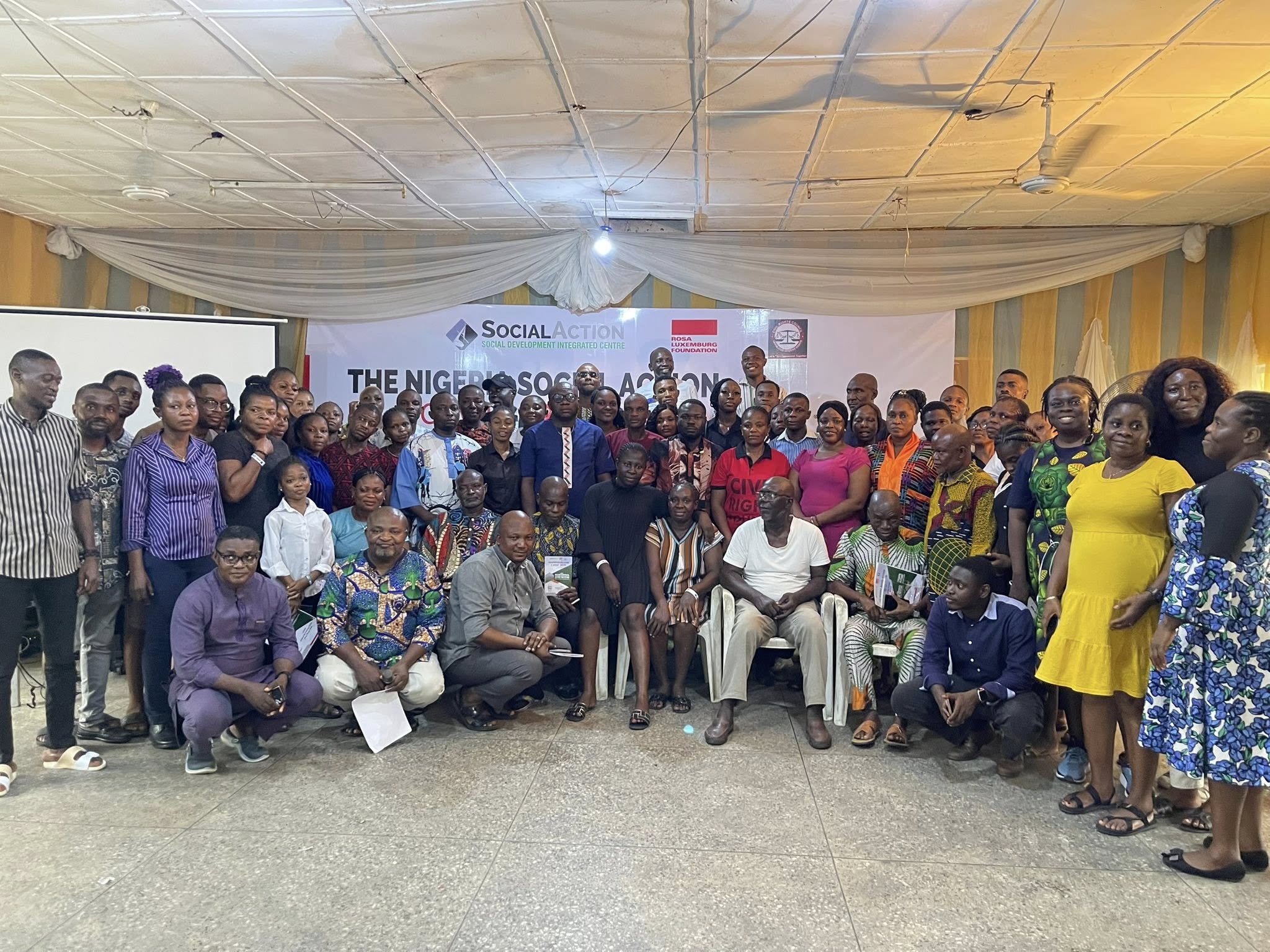
For more than a decade, Social Action has kept alive a bold experiment: a movement school where young Nigerians learn not just to critique the system, but to organize, defend one another, and build lasting structures of power from the grassroots. The 2025 Nigeria Social Action Camp branded this year under the stirring banner Reclaim your Rights; Secure Your Future. Itwas a vivid, four‑day embodiment of experimental training, held from 25th to 28th December 2025 and drawing over a hundred participants, nearly 90% of them newcomers.
What followed was a careful blend of history, hard facts, organizational memory, legal literacy, and emotional depth: lectures from long‑time frontline activists and scholars, group research, documentary reflection, and a public tribute that turned grief into determination. The result was more than a training event, it was a relay handoff from generations of struggle to the new faces ready to carry it forward.
Roots and purpose: why this camp matters now
Social Action’s camp started in a long lineage stretching back to 2008, when it began as the Nigeria Anti‑Imperialism Camp; over the years it evolved into a flagship Centre for political education, leadership development, and organizing laboratory. That history is critical for understanding the 2025 gathering: it is not a momentary conference, but a deliberate continuation of a strategic effort to confront shrinking civic space, militarized extraction, environmental devastation, and democratic deficits.
The camp thus served both as classroom and counter‑strategy: a place to dissect how institutions fail, how rights are violated, and how youth and women can be front‑line defenders of justice and ecological survival.
That mission aligns directly with Social Action’s vision and strategic goals, creating just societies, strengthening human rights, and building networks of solidarity among citizens. In short, the camp is an extension of the network‑building, popular education, and monitoring for impact that the organization champions.
Welcome, memory, and the first layers of political clarity
Participants on the evening of Day 1 were met by introductions that did more than outline logistics; they anchored the gathering in purpose and history. Dr. Prince Edegbuo, Senior Programs Officer of Social Action, opened with context tracing the organization’s intellectual and organizational trajectory, and highlighting why placing youth and women at the Centre of the struggle is essential. Comrade Botti Isaac, Programs Officer, delivered the formal welcome on behalf of the Executive Director, urging participants to treat the camp as a battlefield of ideas and mobilization rather than a retreat.
Soon after, the camp turned inward to honour its fallen comrades. The tribute to Comrade Abiodun Aremu, aka Aremson, blended remembrance with renewed resolve:
- A virtual reflection by Comrade Hassan Soweto;
- A biographical video chronicling Aremu’s decade of work in labour and civil rights activism, including his role as Secretary of the Joint Action Front;
- The opening of a condolence register, physically transforming grief into collective commitment.
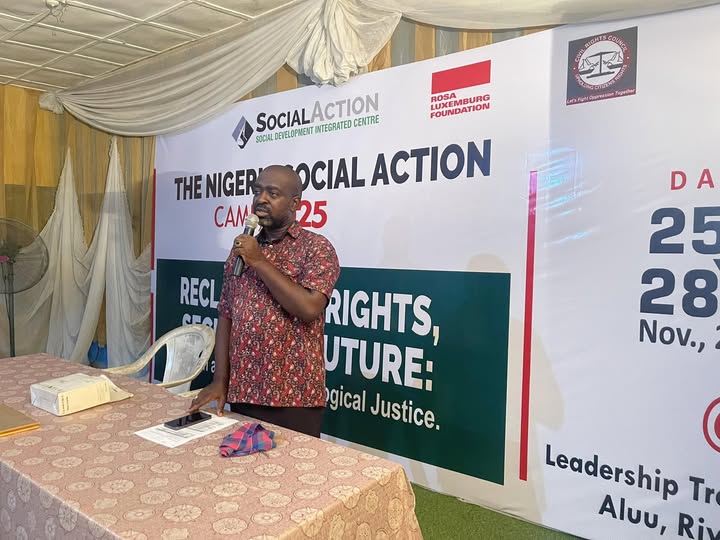

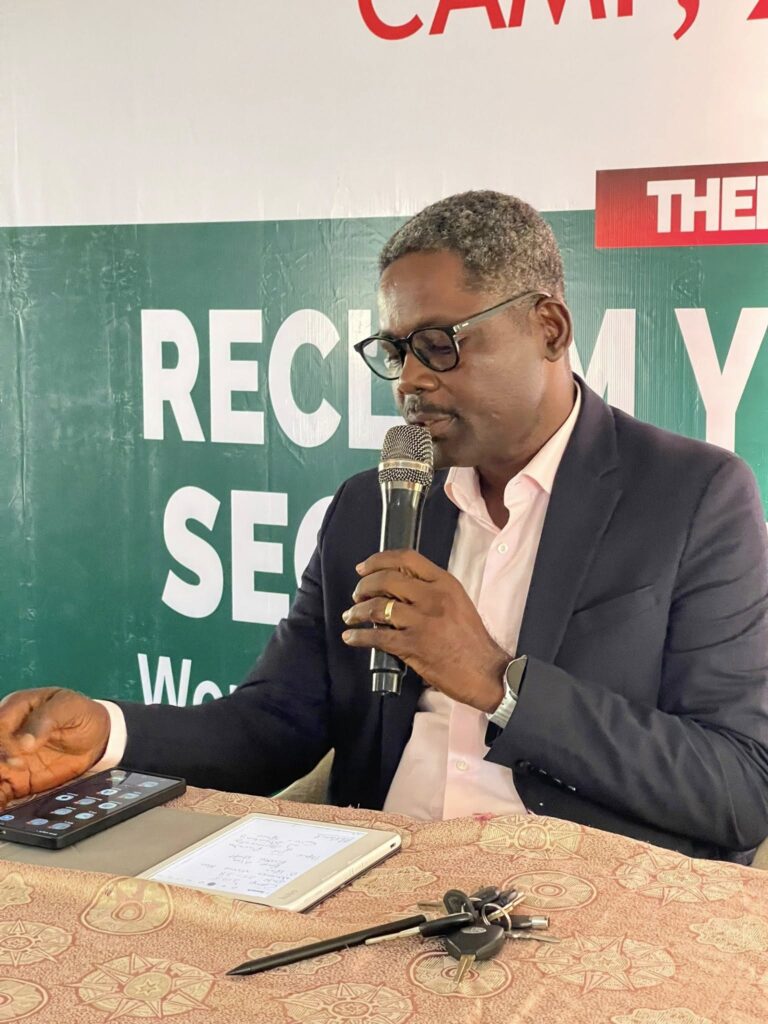
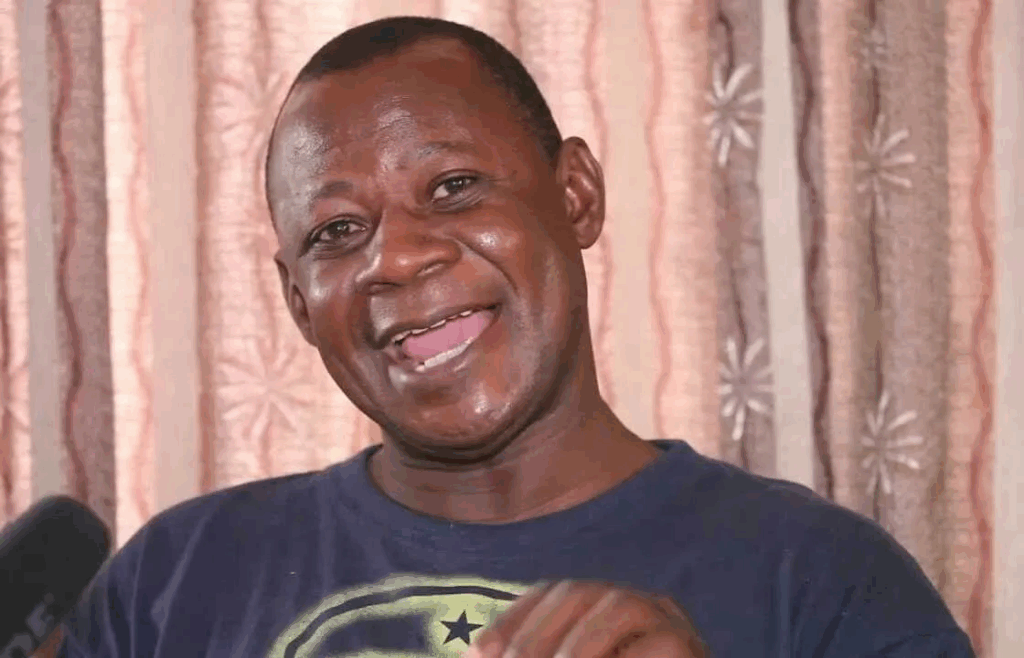
The presence of Aremu’s legacy was symbolic because he had attended Social Action’s Camp in 2018 at the same venue. He was remembered for his leadership in labour and civil society, and his foundational work building organizations and ideological schools to nurture future revolutionaries. This real‑world loss framed the camp: the struggle endures beyond individuals, but it also depends on the knowledge and institutions they help build.
Laying the first intellectual foundations
Although the first night was primarily ceremonial, the tone was set for intense, deeply contextual learning, something the days that followed would deliver.
Civic space, constitutional rights, policing, and the law
The second day opened with a recap of the previous day activities which was anchored by Sebastain Kplap, Afterwards, a trio of sessions that moved from high‑level analysis to concrete knowledge that participants could use immediately followed.
First Session: Democracy and the paradox of shrinking civic space
Prof. Fidelis Allen led the morning session. Starting with the definition of democaracy, he said it was not a finished product rather an ongoing project requiring constant vigilance, reform and civic engagement. Drawing on scholarly insight and real examples, he argued that civic space shrinks when people live in fear of arrest, censorship, excessive force, and harassment of journalists. Such repression silences voices, undermining democracy itself. The lecture invited questions; participants raised concerns over harassment and corruption, and Allen responded directly, reinforcing that civic responsibility requires continuous pressure, not retreat.
This theme echoed the camp’s structural mission: to equip young activists to reclaim rights even when the state uses coercion. The intellectual clarity of the lecture was matched by the practical urgency participants felt to speak, to organize, to persist.
Second Session: State failure, institutional and human‑rights violations
Barrister Paul Arochukwu Ogbonna, who took a legal angle to the same terrain. He reviewed the core constitutional rights guaranteed by the 1999 Constitution. The right to life, dignity, personal liberty, fair hearing, freedom of speech, peaceful assembly, and freedom from discrimination, and explained their practical stake in everyday encounters with law enforcement.
Key points included:
- Knowing legal rights in arrest situations: right to be informed, right to remain silent, right to a lawyer, protection against unlawful detention, and prohibition of torture.
- The importance of understanding police rules of engagement and the structural context of gender equality as a human right, including reference to the Violence Against Persons Prohibition Act of 2015.
His practical civics session was not textbook abstract. It was a direct tool for participants to protect themselves and others turning rights into action. It also surfaced deeper issues like patriarchal structures and societal violence, and called on activists to document impact, mobilize, and build coalitions.
Third Session: Police reform and citizen engagement
Mrs. Ifeanyi Maureen, a Deputy Superintendent of Police and civil society actor, followed with a session on reform. She explained why accountability matters: without it, communities lose trust in police, undermining both security and dignity.
Her presentation differentiated institutional reforms laws, oversight, funding, systemic accountability, from operational reforms focusing on daily conduct, training, discipline, and transparency. She highlighted structures such as Police‑Citizen Relations Committees (PCRC) and urged activists to channel concerns appropriately, reinforce dialogue, documentation, and protest, and demand training for officers.
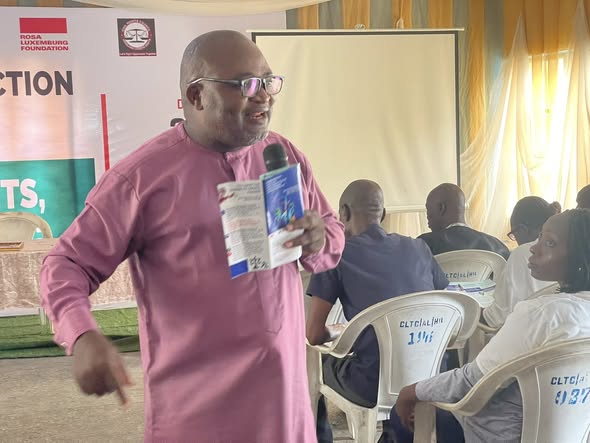


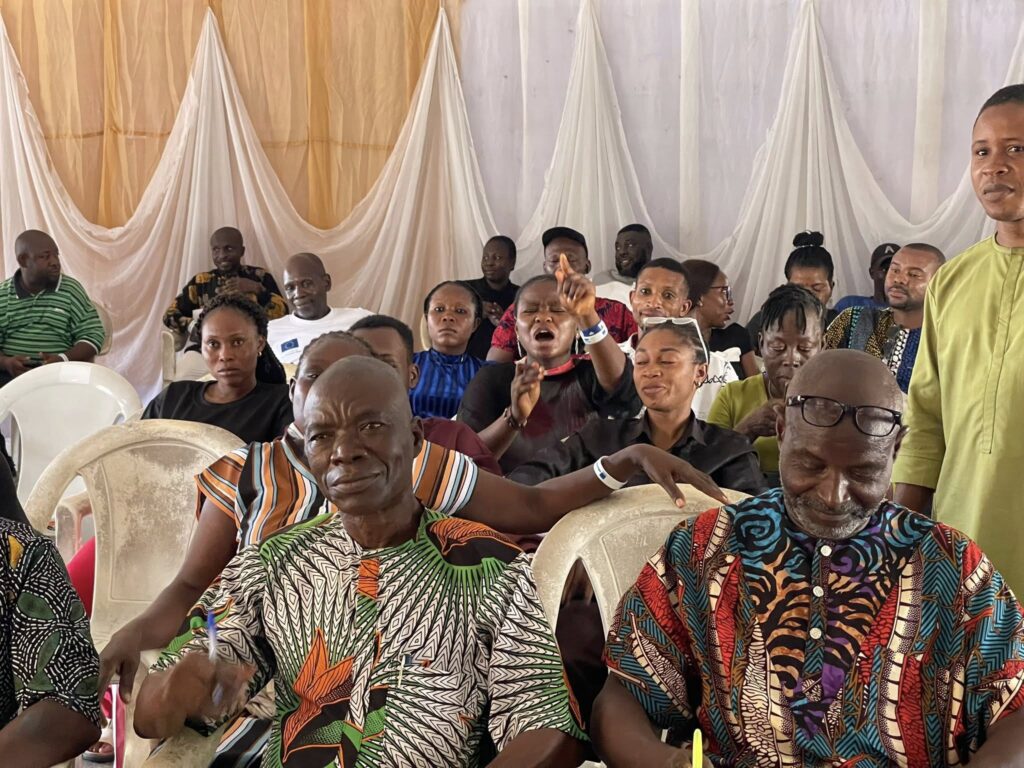
These three sessions created a powerful arc: historical and political diagnosis, legal empowerment, and concrete reform pathways. Participants were then shown a short video on Aremu’s life and activism, linking their present work to broader histories of struggle and sacrifice.
Practical Session: Group work and historical reminder
After the lectures, participants split into three groups to research and present on:
- Electoral manipulation and human rights;
- Judiciary failure and human rights effects;
- Another topic exploring the impact of institutional breakdown on citizens.
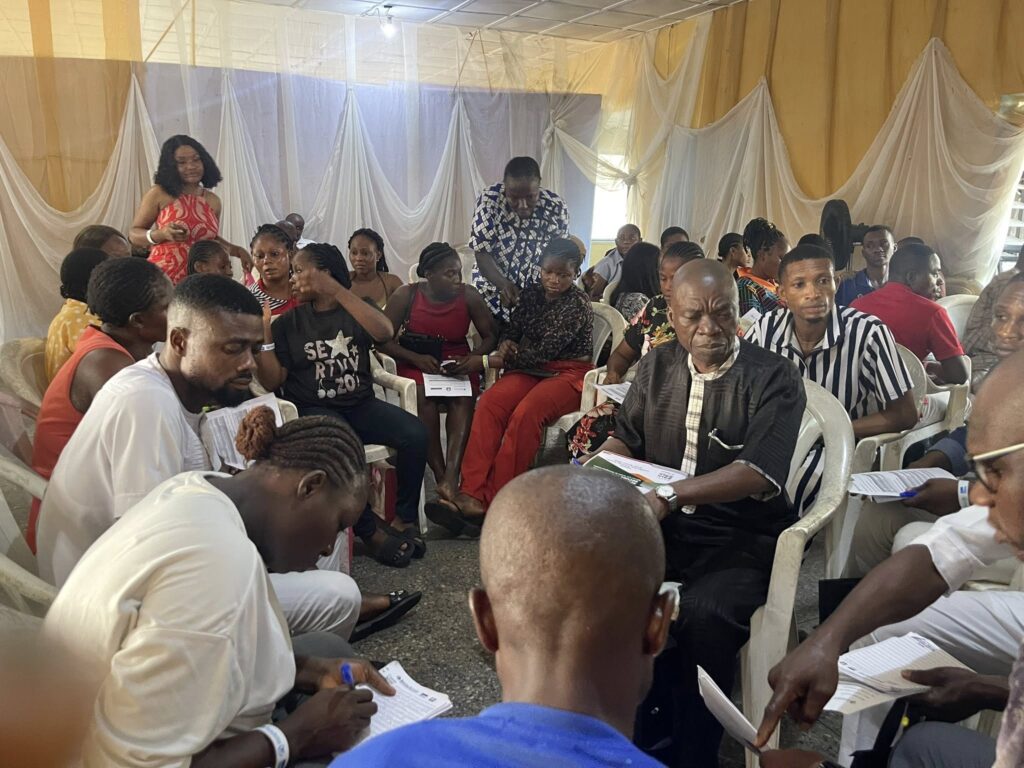
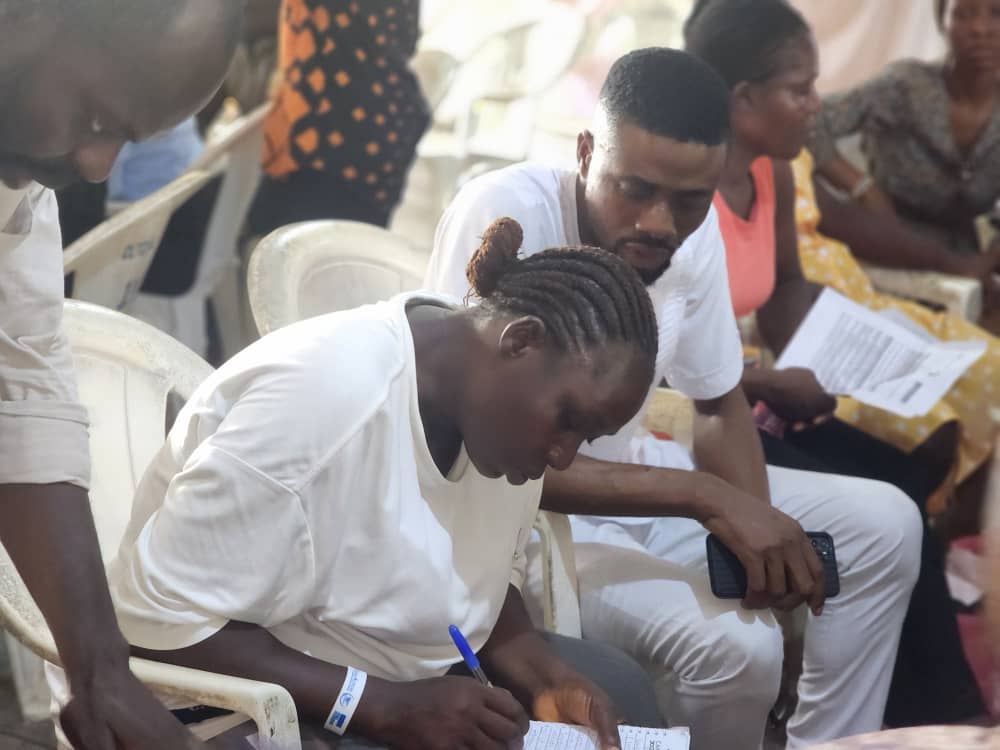
These breakout sessions encouraged deep reflection and peer learning and putting together of all findings for individual group presentation. Each group presented their findings, criticism, questions were asked and clarifications provided by Senior Activist, Resources person and fellow participants. This led into an evening documentary on the Iva Valley Massacre, a 1949 colonial killing of striking coal miners in Enugu.
The film drove home a fundamental truth: repression has long roots. The 1949 massacre, where British police shot striking coal miners, resulted in 21 deaths and 51 injuries, and it fed anticolonial sentiments and labour activism. By revisiting it, participants saw their current struggles as linked to a broader, historical chain of resistance; abnormal violence is not the norm, and refusing to accept it is a long tradition—one the camp seeks to pass on.
Day 3: Gender, Youth revolt, Structural gaps, and Organizing futures
Feminism, women’s rights, and lived experience
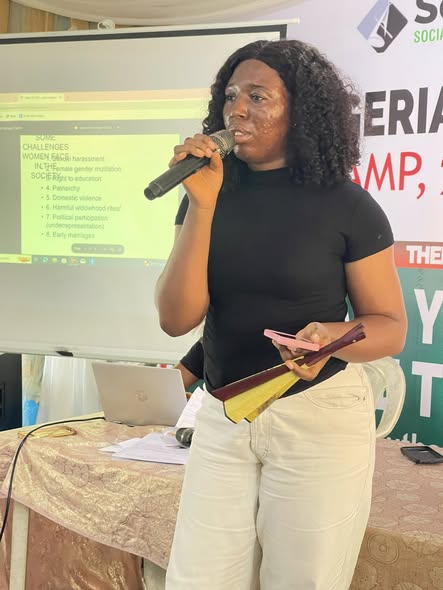
Comrade Betty Abah, journalist, author, and women‑and‑children rights activist, opened the day’s substantive sessions. She gave participants a historical view of women’s rights struggles and patriarchy’s expectations of female subservience. Women she said, under patriarchy suffer range of social, economic, psychological, and structural disadvantages. Drawing from personal experience, she described her mother’s inability to own land due to gender norms, and her own decision to buy land for her mother to break jinx. Feminism, she explained, is not exclusive to women; it is a call for fair treatment, and anyone can embrace it and argued that the idea that certain responsibilities or positions are exclusive to men is outdated. Empowering girls and women yield benefits across societies. According to her women can amplify their voices through literature, ensure they are educated and via for leadership positions, challenge stereotypes. Women inclusion she concluded is key.
Her lecture sparked group work on gender and feminism, deeply contextualizing how patriarchy affects communities, political space, and civic participation. Participants explored these issues through slides, discussion, and personal narratives—turning abstract rights into lived stories.
Youth Revolt, Lessons, and Organizational gaps
Comrade Baba Aye, long‑time trade unionist and editor, spoke on the emerging role of youth revolt and the gaps in movement building. He argued that despite decades of activism, Nigeria still lacks a mass party and suffers from NGO‑style fragmentation, which turns movements into proposal‑driven or donor‑driven activities. Creative approaches are needed to build organizations capable of revolution, not just short‑term campaigning he told participant. Defeat can lay foundations for future generations; fighting even when losing is better than not fighting at all he added. Drawing experiences from other Activist, and African countries such as South Africa, he told participant that yielding to failure and wanting to stop does not obliterate the challenge. Baba Aye further asserted that Protest/Mass mobilization can be a legitimate response to oppression and exploitation. Through Mass protest the marginalized can challenge structural injustices. However, he emphasized the need for organization and disciplined activism to face the risk of repression and state violence. He assured participants not to deter.
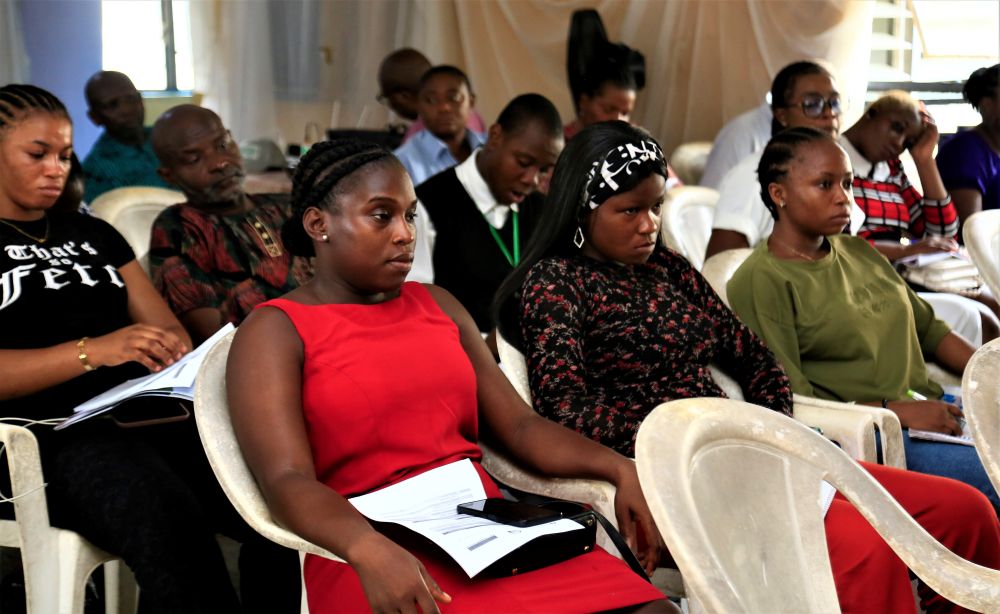
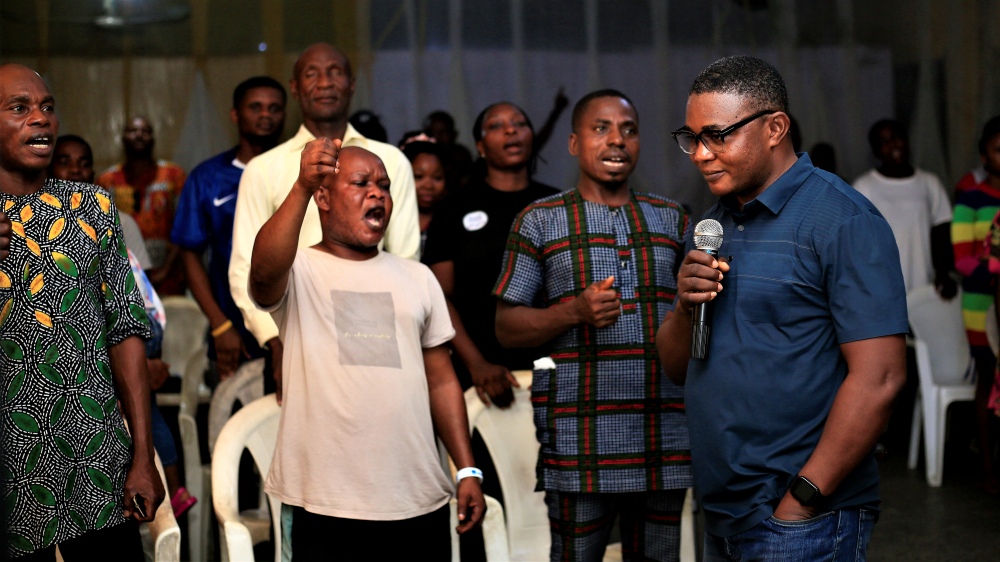
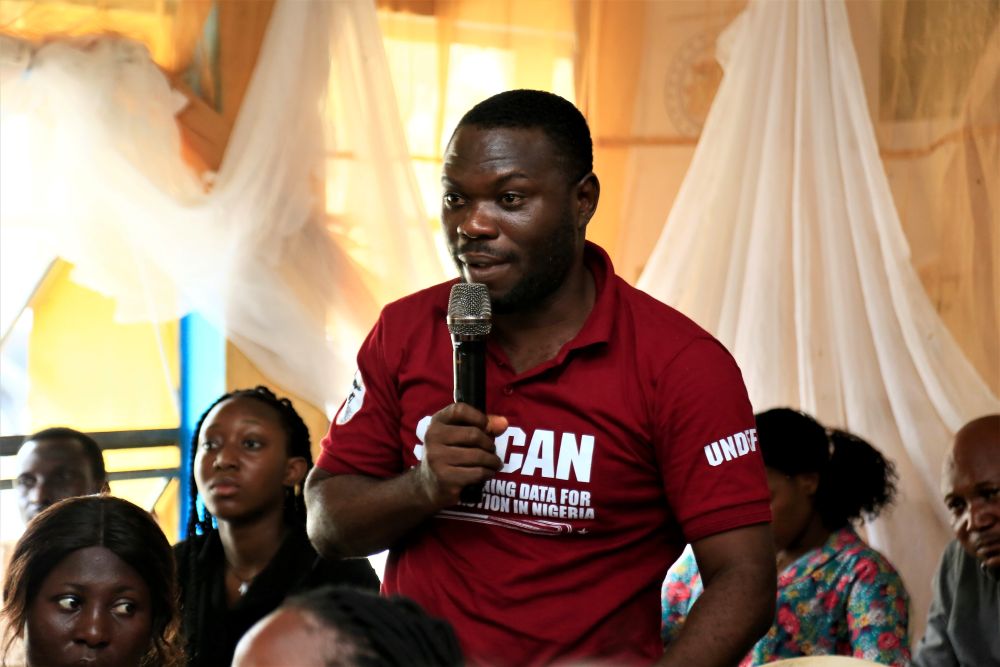
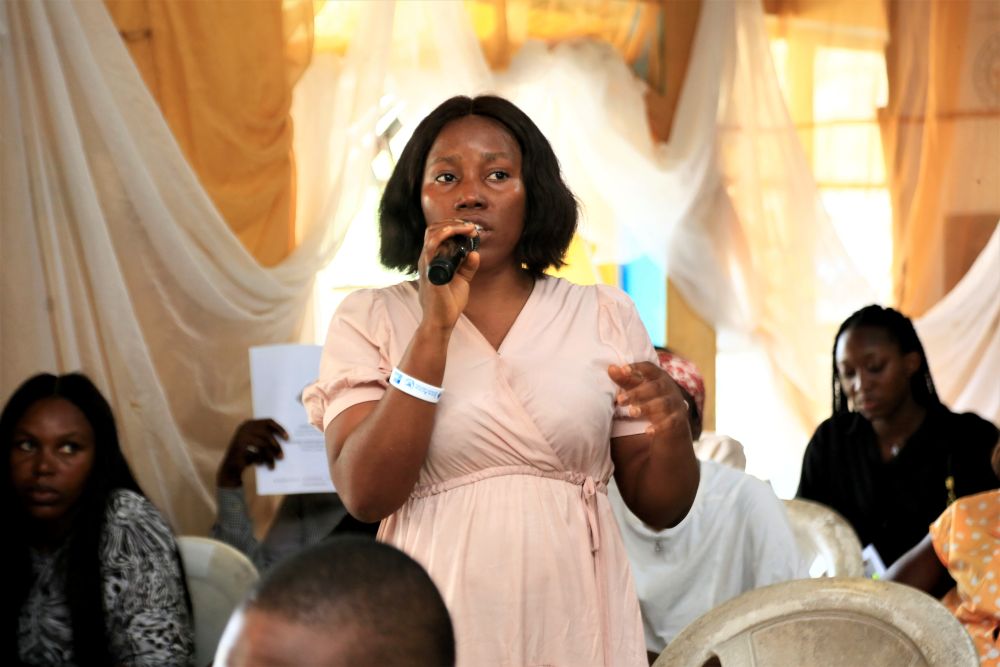
The session was reinforced by local leadership: Comrade Basil reviewed what protests have achieved, while Programs Officer Isaac Botti emphasized Baba Aye’s long engagement with Social Action’s struggle campus. Participants were encouraged to read widely, especially works by movement pioneers, to deepen their understanding and strategy.
Civil Rights Council Congress: connecting camp to nationwide infrastructure
Later, the camp hosted the Civil Rights Council (CRC) Congress, bringing leaders from units in Port Harcourt, Bori, Asaba, Enugu, Omoku, and beyond. They shared reports on interventions, victories, challenges, and sustainability.
Discussions included:
- Practical experiences defending human rights, responding to abuses, and keeping units running under difficult conditions;
- Promise of future training on modern advocacy tools from national coordinators;
- Reinforcement of CRC’s independence and its role as a grassroots infrastructure a national human‑rights Defence network linked to Social Action’s structural legacy.
This congress underscored that the camp is not a stand‑alone event. It is a node in a larger, nationwide network that records abuses, supports victims, and fights for justice daily an idea confirmed by Social Action’s own description of the CRC as maturing into a nationwide human‑rights infrastructure.
Consolidation, Mobilization, and the Executive Director’s charge
The final day wrapped the intellectual, emotional, and organizational threads into a forceful call to action. Dr. Isaac Osuoka, Executive Director of Social Action, joined the camp and spoke directly to participants. His address reminded them: Cooperate Social Responsibility, memory, and organization are not ends in themselves, each lecture, activity, and program were designed with purpose, to equip young activists for long struggles. He explained: The origins of CRC, the challenges of registering it, and the meaning behind songs, chants, and solidarity such as Isoweto, E‑Africa, Aluta‑Continua, and Victoria Ascerta. That CRC is meant to function autonomously, supported but not controlled by Social Action; building knowledge, reading, and research is crucial for sustainability he said. The necessity to seize every opportunity, learn from each session, and channel the knowledge into real community impact he charged participants.
Dr. Osuoka’s shared his role as the founder of the Ijaw Youth Council and the author of the Kiama Declaration of the Ijaw Youth Council. He emphasized that their primary opponent were not external forces but internal elites who lacked political education and understanding of activism. His presence illustrated the role of leadership in movement-building not as distant authority, but as mentor, organizer, and protector of institutional memory. He reinforces the structure participants now join: a deliberate, strategic organization that nurtures leaders, codifies history, and maintains solidarity networks across Nigeria.
Legal support and future follow‑up
Barrister Paul Arochukwu Ogbonna reassured CRC members that their complaints were received and would be addressed. He highlighted the rise in cases of rape and abuse and stated that pro bono assistance from the legal team would be available. This underscored the practical, protective dimension of the camp’s legacy, activism backed by legal defence and solidarity, not rhetoric alone.
What this year’s camp achieved and what it means going forward
A new generation empowered
Nearly nine in ten participants were newcomers. This was deliberate: to break the pattern of focusing on already‑known faces, and to widen the base of activism across Nigeria. These new leaders now carry rights literacy, strategic analysis, and organizational tools into their communities.
Intergenerational transfer of memory and strategy
The camp’s sessions blended the wisdom of senior activists with contemporary legal and political realities. Historical lessons whether from colonial massacres, labour struggles, or recent activist losses, were tied to present challenges, making the past a living resource for current mobilization.
Structural reinforcement of CRC and grassroots infrastructure
The CRC Congress, legal reassurances, and strategic discussions strengthened the organizational infrastructure. Participants did not merely learn; they connected to a nationwide human‑rights platform that offers solidarity, legal support, and coordination.
Living the values of Social Action
The camp exemplified Social Action’s vision of democratic, just societies built through solidarity, popular education, and citizen networks. Participants experienced those values in practice, through collaborative research, group presentation, respect for memory, legal education, and mutual protection.
Conclusion: the fight continues, led by new faces and guided by steadfast leadership
Reclaiming rights is not a slogan, it is a structured, historical, and strategic task, requiring knowledge, courage, and institutions that survive individuals. The 2025 Social Action Camp brought these elements together, in a charged moment when civic space is under pressure and ecological, social, and political crises deepen.
The Executive Director’s speech, rooted in organizational origin, historical songs, and practical guidance, reminded participants that their journey is part of something larger, older, and stronger than any single event.
From the inaugural tributes to the final legal commitments, every detail of this camp affirmed the same truth: the future is not a gift; it must be reclaimed, through education, solidarity, and relentless organizing. The new cohort of activists leaves with tools, responsibilities, and a promise: to carry the legacy forward, to transform grief into strength, and to secure a future where human rights, ecological justice, and democratic participation are not just aspirations, but lived realities.