Pollution, Disease, and Justice: Addressing the Health Impacts of Oil Extraction in the Niger Delta
-
by
Peace Agbo
While oil wealth has fueled national revenues, the people living closest to extraction sites continue to endure polluted rivers, contaminated farmlands, toxic air, and a growing burden of disease. Beyond the visible environmental degradation is a less visible but equally devastating crisis- the impact of fossil fuel pollution on human health.
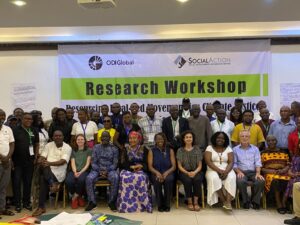
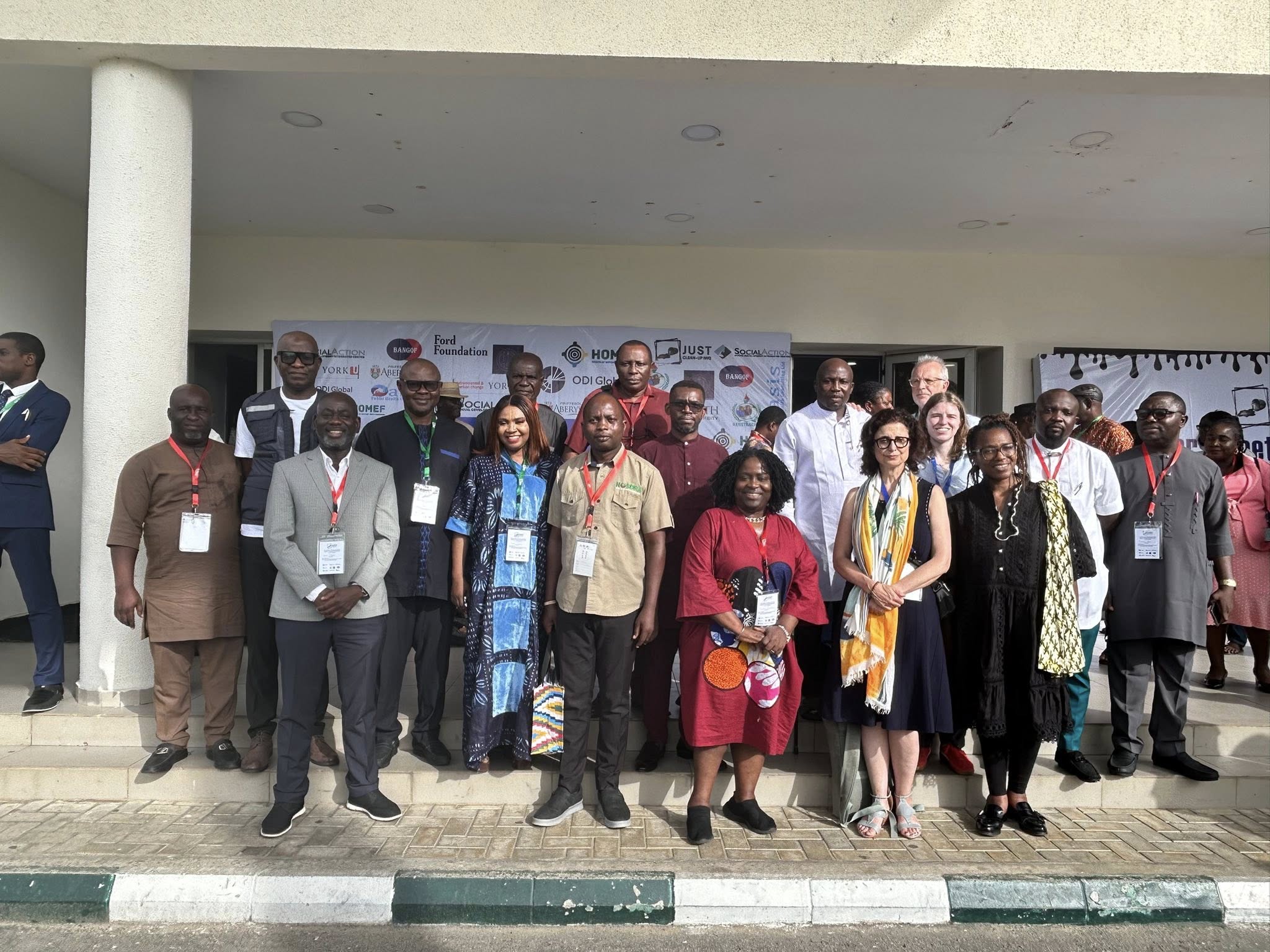
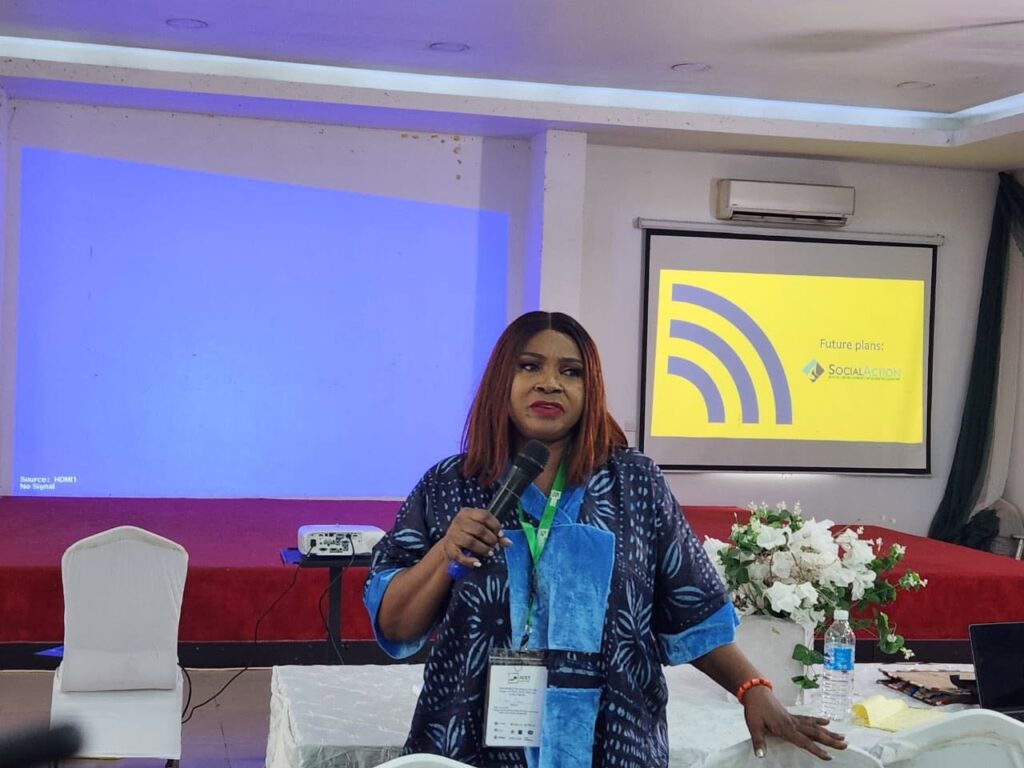
Social Development Integrated Centre (Social Action), in collaboration with the International Working Group on Petroleum Pollution and Just Transition in the Niger Delta (IWG), Health of Mother Earth Foundation (HOMEF), and other partners, convened a day of a critical stakeholder engagement focused on advancing health research and policy responses following the findings of the Bayelsa State Oil and Environmental Commission (BSOEC). The meeting, hosted by Kebetkache Women Initiative, brought together researchers, public health experts, environmental advocates, policymakers, civil society organisations, and international partners committed to addressing one of the most pressing environmental justice issues facing the Niger Delta.
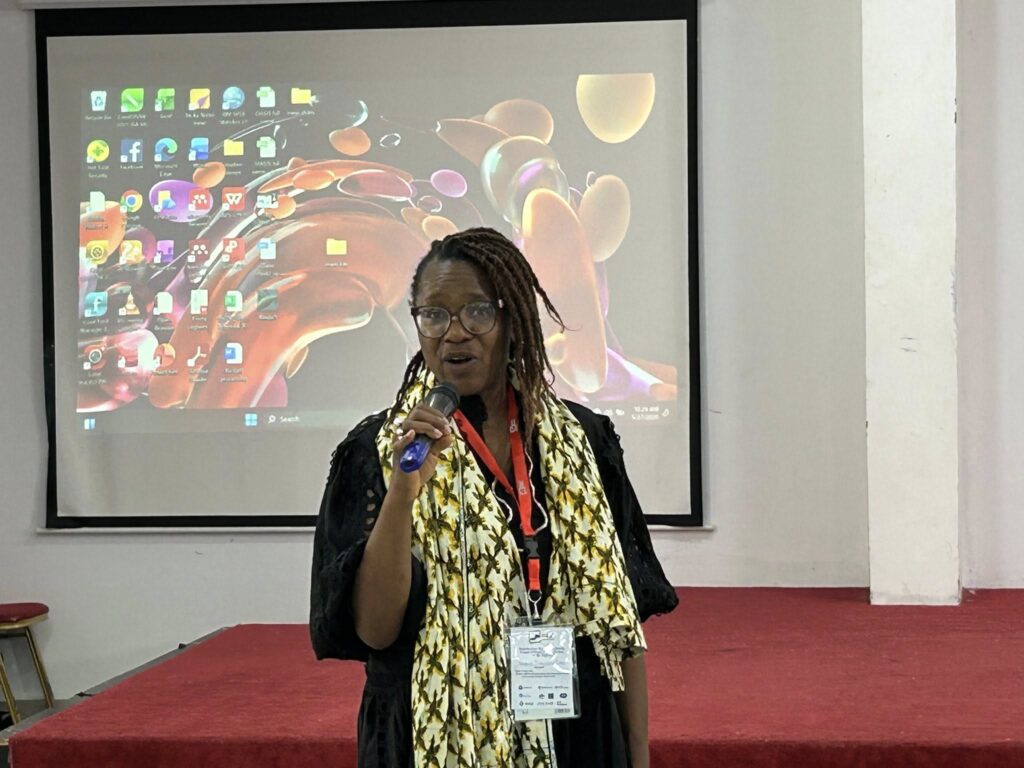
The discussions drew heavily from the findings of the Bayelsa State Oil and Environmental Commission report, which remains one of the most comprehensive assessments of the environmental and public health consequences of oil pollution in the state. Participants reflected on the disturbing evidence emerging from years of research, including widespread hydrocarbon contamination, exposure to toxic heavy metals, reproductive health complications, respiratory illnesses, and elevated risks of cancer among affected populations.
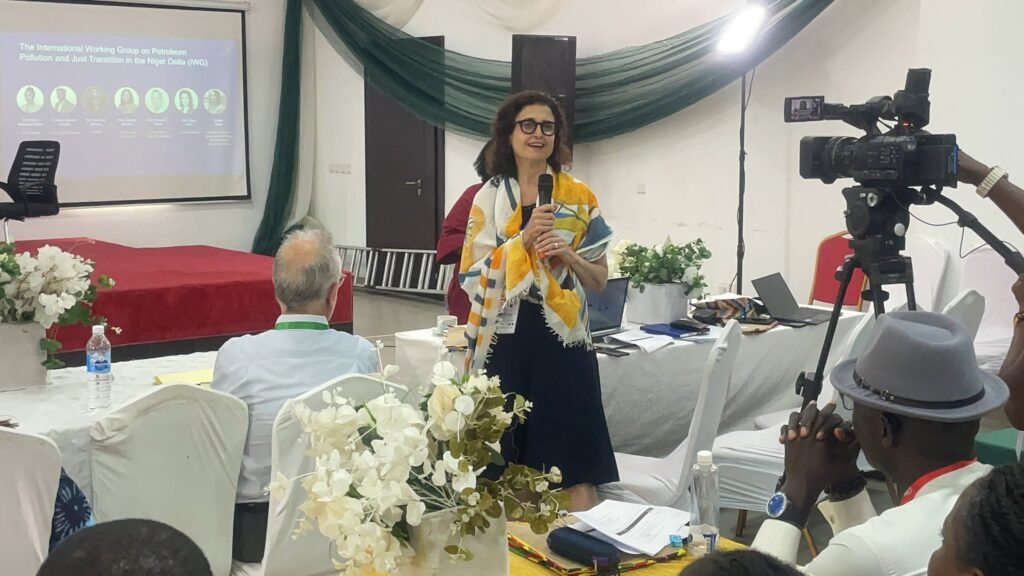
Representatives of the International Working Group on Petroleum Pollution and Just Transition in the Niger Delta described the findings as deeply troubling. They noted that laboratory analyses conducted across Bayelsa State revealed alarming levels of hydrocarbon compounds and carcinogenic metals in the blood samples of residents, underscoring the extent to which pollution has infiltrated everyday life. The coalition warned that communities are being forced to live with contaminated air, land, and water, resulting in declining health outcomes and reduced life expectancy. Members of the delegation described the situation as a profound environmental and public health emergency that requires immediate attention from government institutions and the international community.
As a leading voice for environmental justice and community rights in the Niger Delta, Social Action played a central role in facilitating discussions and ensuring that the concerns of affected communities remained at the heart of the engagement.

In his remarks, the Director of Social Action, Dr. Isaac Osuoka, emphasized that the organisation’s work over the years has consistently highlighted the human cost of fossil fuel extraction. He noted that while discussions about oil pollution often focus on environmental damage, insufficient attention has been paid to the devastating health consequences suffered by residents of oil-bearing communities. Dr. Osuoka stressed that the findings of the Bayelsa State Oil and Environmental Commission provide an important opportunity to shift public discourse from environmental contamination alone to the broader question of public health and human rights. He reiterated Social Action’s commitment to supporting evidence-based advocacy, strengthening community participation in environmental governance, and ensuring that the voices of impacted communities influence policy decisions at local, national, and international levels. According to him, meaningful accountability requires more than documenting pollution. It demands concrete actions that address the health needs of affected populations, provide access to healthcare, ensure environmental remediation, and secure justice for communities that have suffered decades of neglect.
A Crisis Hidden in Plain Sight
Throughout the engagement, participants reflected on how fossil fuel pollution continues to shape daily life across the Niger Delta. In many communities, residents depend on water sources that have been exposed to years of oil contamination. Farmers cultivate lands affected by hydrocarbon pollution, while fisherfolk struggle with declining fish populations and concerns about toxic substances entering local food chains. Women representative from Otuobagi lamented the lack of response from relevant government agencies and the Ministry of Health to the alarming findings of a research study conducted by Kebetkache Women Development and Resource Centre on the health impacts of oil pollution in Otuobagi and neighbouring communities. The study revealed high incidences of reproductive health disorders, elevated levels of polycyclic aromatic hydrocarbons (PAHs) in residents’ blood, and severe respiratory illnesses linked to prolonged exposure to environmental contamination.
Similarly, other experts highlighted growing evidence linking fossil fuel pollution to other illnesses like respiratory illnesses, hypertension, skin diseases, developmental challenges among children, and increased risks of cancer. These health impacts, participants noted, are often underreported and poorly documented due to limited healthcare infrastructure and inadequate environmental monitoring systems.
International Solidarity and Policy Engagement
Members of the International Working Group reaffirmed their commitment to supporting ongoing efforts aimed at addressing the health impacts of oil pollution in the Niger Delta. Speaking during the engagement, representatives including Prof. Engobo Emeseh, Dr. Kathryn Nwajiaku-Dahou, Prof. Michael Watts, and Prof. Anna Zalik expressed concern over the slow pace of implementation of recommendations contained in the Bayelsa State Oil and Environmental Commission report. They called on stakeholders to move beyond acknowledgment of the crisis and focus on practical measures that would improve environmental conditions and public health outcomes. These include stronger regulatory oversight, independent scientific research, access to healthcare services, environmental remediation, and mechanisms for compensation and redress for affected communities.

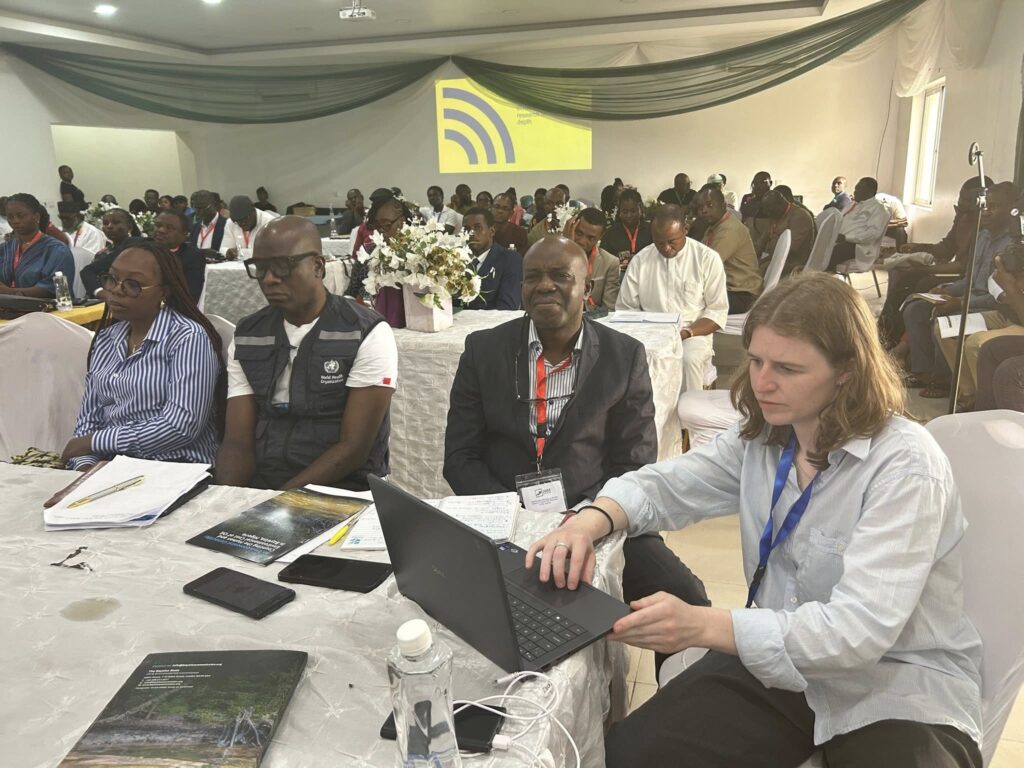
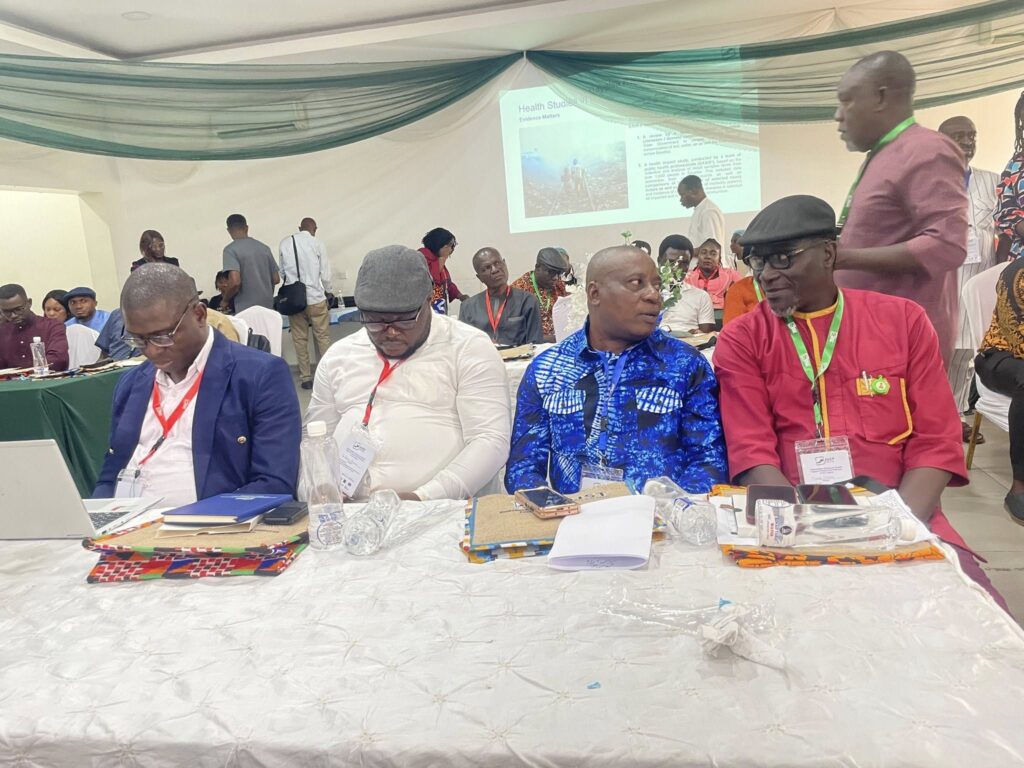
The meeting concluded with renewed determination to deepen research on the health impacts of fossil fuel pollution and strengthen policy engagement at all levels.
For Social Action, the engagement represented another important step in its ongoing campaign for environmental justice, accountability, and community rights in the Niger Delta. The organisation reaffirmed its commitment to working alongside communities, researchers, and partners to ensure that scientific evidence informs public policy and that affected populations receive the support and justice they deserve. As the region continues to grapple with the legacy of decades of oil extraction, participants agreed that addressing environmental pollution must go hand in hand with protecting human health. The health crisis unfolding across the Niger Delta can no longer remain invisible. It demands urgent action, sustained advocacy, and collective commitment to securing a healthier and more just future for present and future generations.