Bayelsa Communities Renew Call for Environmental Justice as Town Hall Exposes Deepening Pollution and Public Health Crisis
-
by
Peace Agbo
Communities, Traditional Institutions, Government Representatives, Civil Society and International Experts Renew Call for Implementation of Landmark Environmental Report
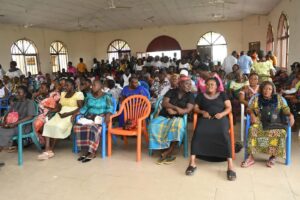
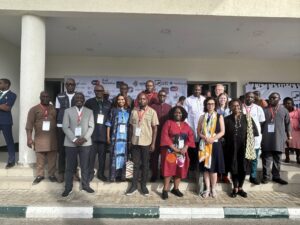
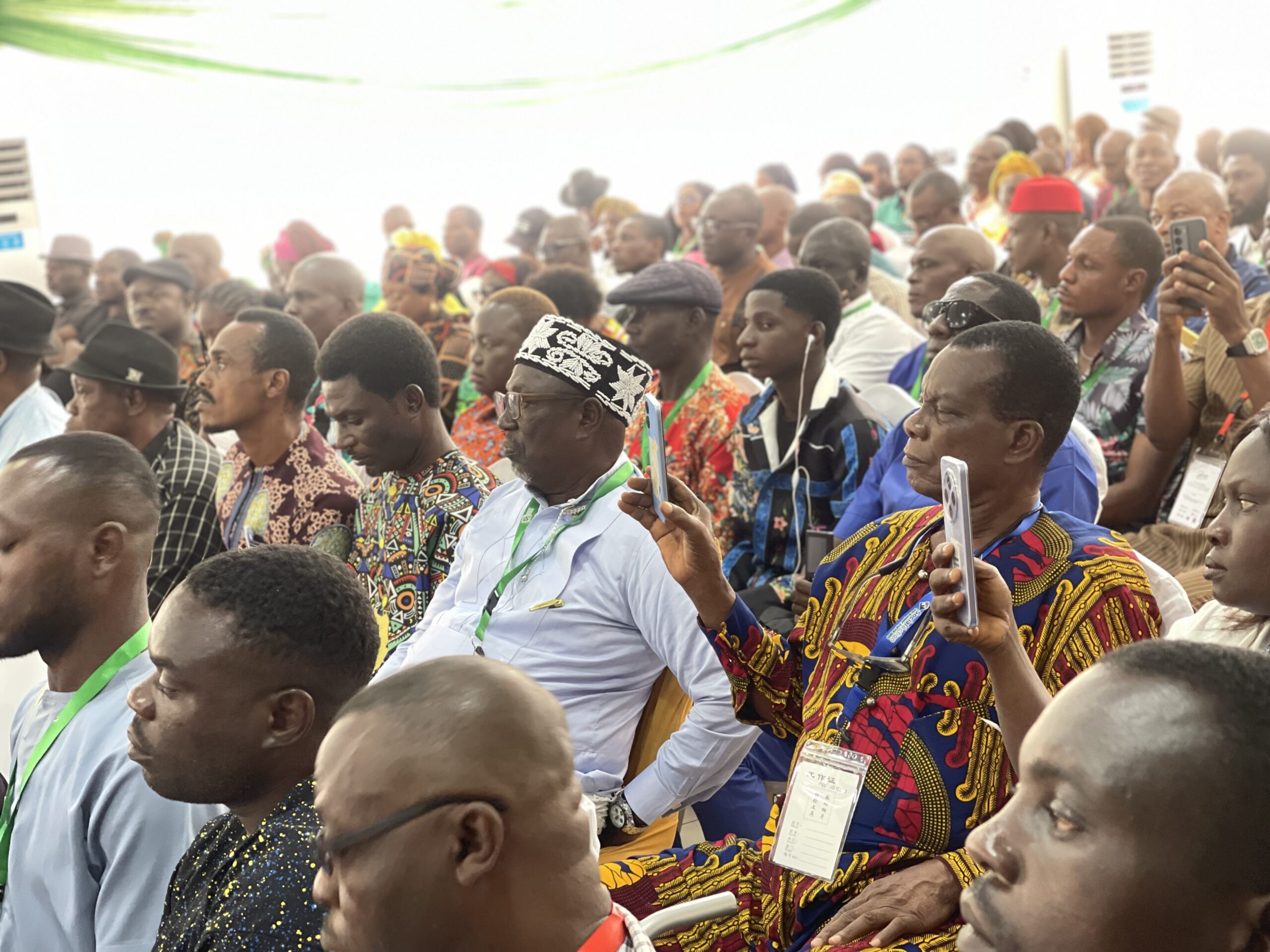
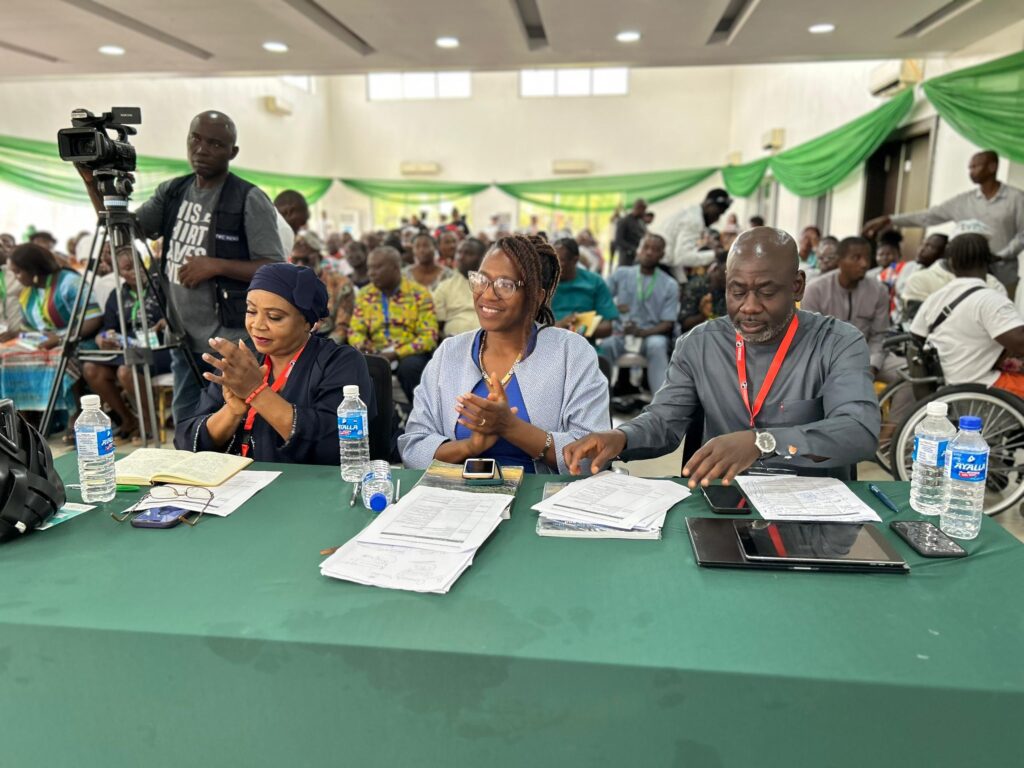
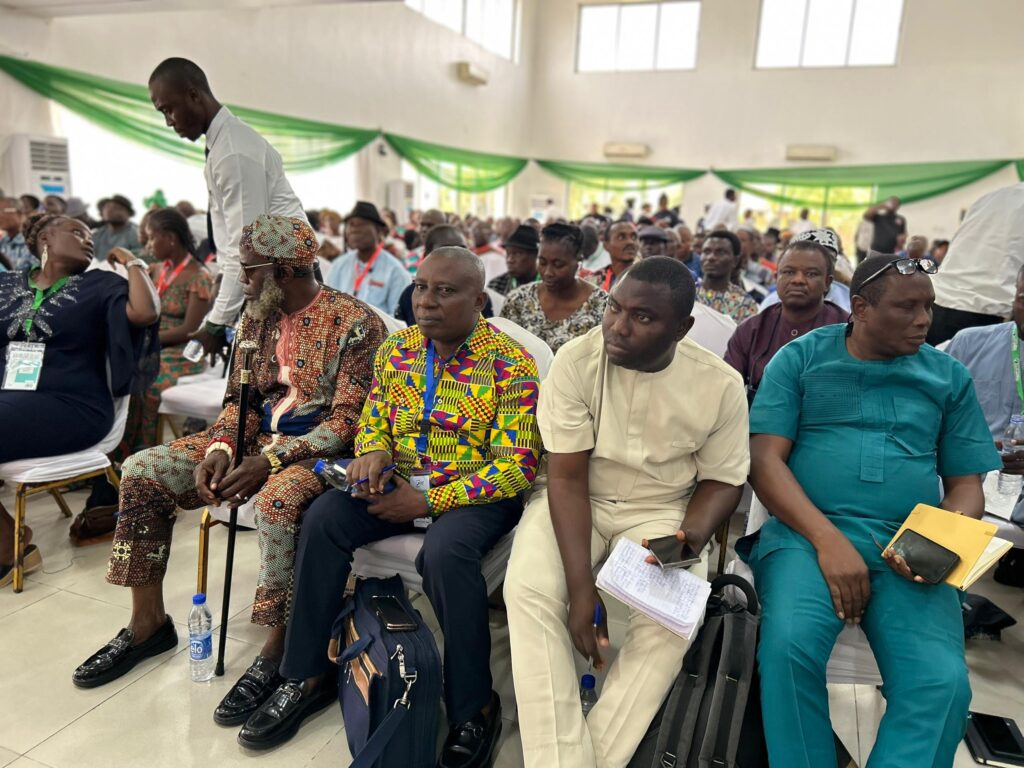
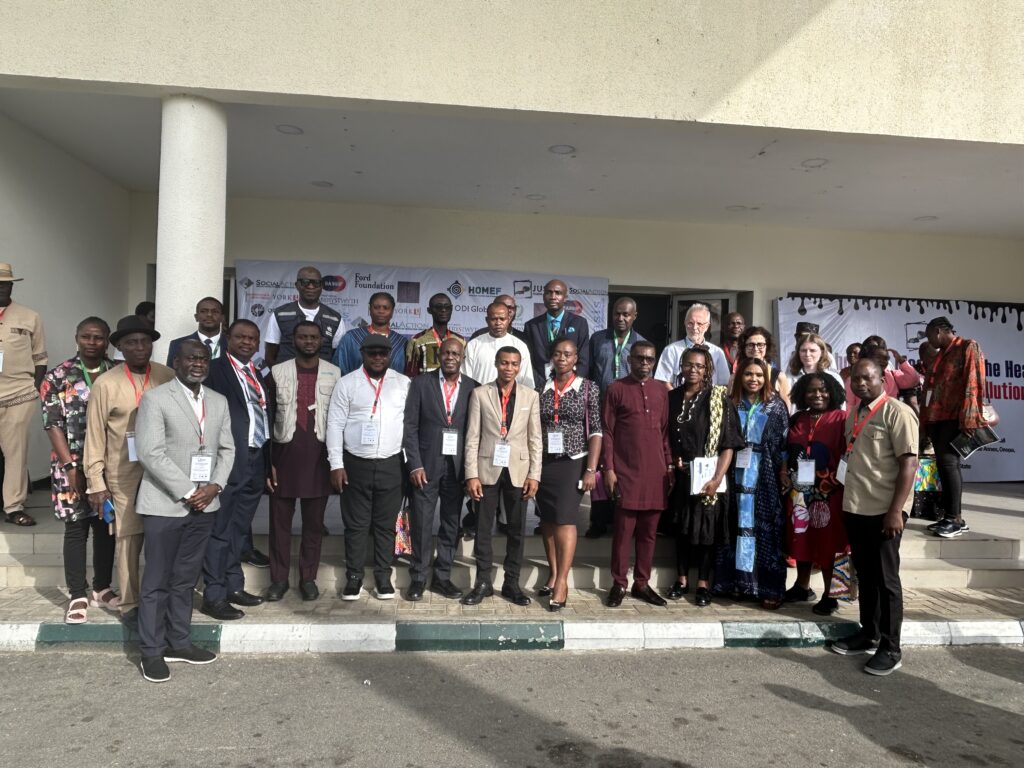
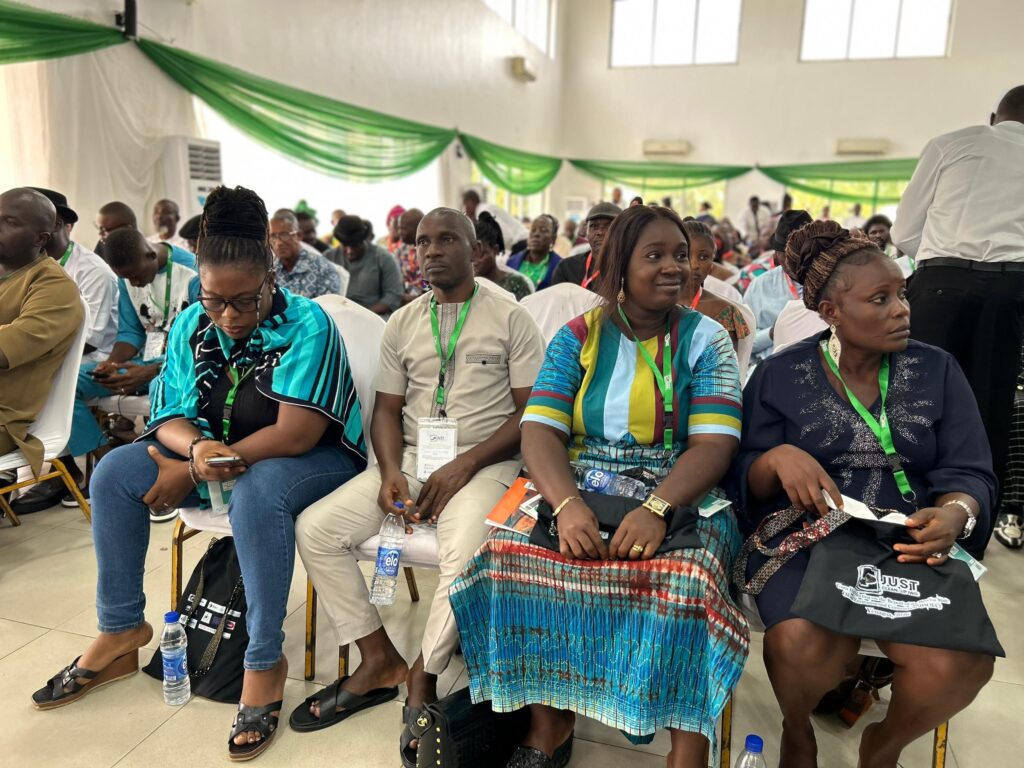
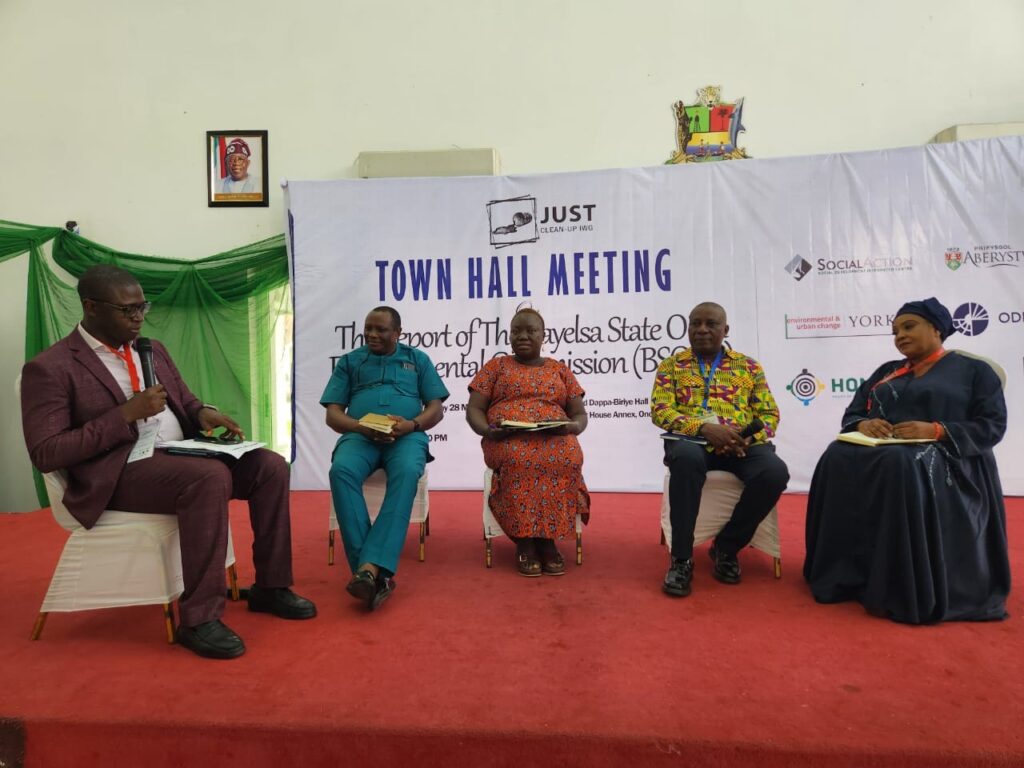
The campaign for environmental justice in Bayelsa State received renewed momentum on 28 May 2026 as community leaders, traditional rulers, government officials, legislators, environmental advocates, academics, youth groups, women’s organizations, and civil society actors gathered at the Chief Harold Dappa-Biriye Hall, Government House Annex, Yenagoa, for a Town Hall Meeting on the Report of the Bayelsa State Oil and Environmental Commission (BSOEC).
The meeting, convened by the International Working Group on Petroleum Pollution and Just Transition in the Niger Delta (IWG) in collaboration with Social Action Nigeria and the Bayelsa State NGO Forum (BANGOF), formed part of ongoing efforts to popularize the findings of the landmark report, An Environmental Genocide: Counting the Human and Environmental Cost of Oil in Bayelsa, Nigeria, and to build broad-based support for its implementation. Bringing together representatives of government, traditional institutions, host communities, civil society organizations, researchers, environmental justice advocates, and members of the public, the meeting provided an opportunity to reflect on the findings of the Commission, assess progress since the report’s publication, and identify practical steps toward environmental restoration, public health protection, accountability, and a just transition for communities affected by decades of oil extraction
A Gathering Focused on Action
From the opening session, participants emphasized that the purpose of the meeting was not merely to discuss another report, but to consider how the findings of the Bayelsa Commission could be translated into concrete action. Speakers repeatedly stressed that the report should not be allowed to gather dust on shelves while communities continue to suffer the consequences of pollution.
Participants reviewed the origins of the Bayelsa State Oil and Environmental Commission, which was established by the Bayelsa State Government in 2019 to investigate the scale, causes, and consequences of environmental pollution in the state. The Commission conducted one of the most comprehensive environmental assessments ever undertaken in the Niger Delta, reviewing existing studies, commissioning new research, undertaking site visits, holding community evidence sessions, and consulting more than 500 stakeholders.
The Commission ultimately concluded that Bayelsa has experienced an environmental catastrophe of historic proportions and estimated that approximately US$12 billion would be required over a twelve-year period to restore damaged ecosystems, remediate polluted sites, strengthen public health systems, and rebuild affected livelihoods.
Chair’s Intervention: Ownership of the Report Must Rest with the People
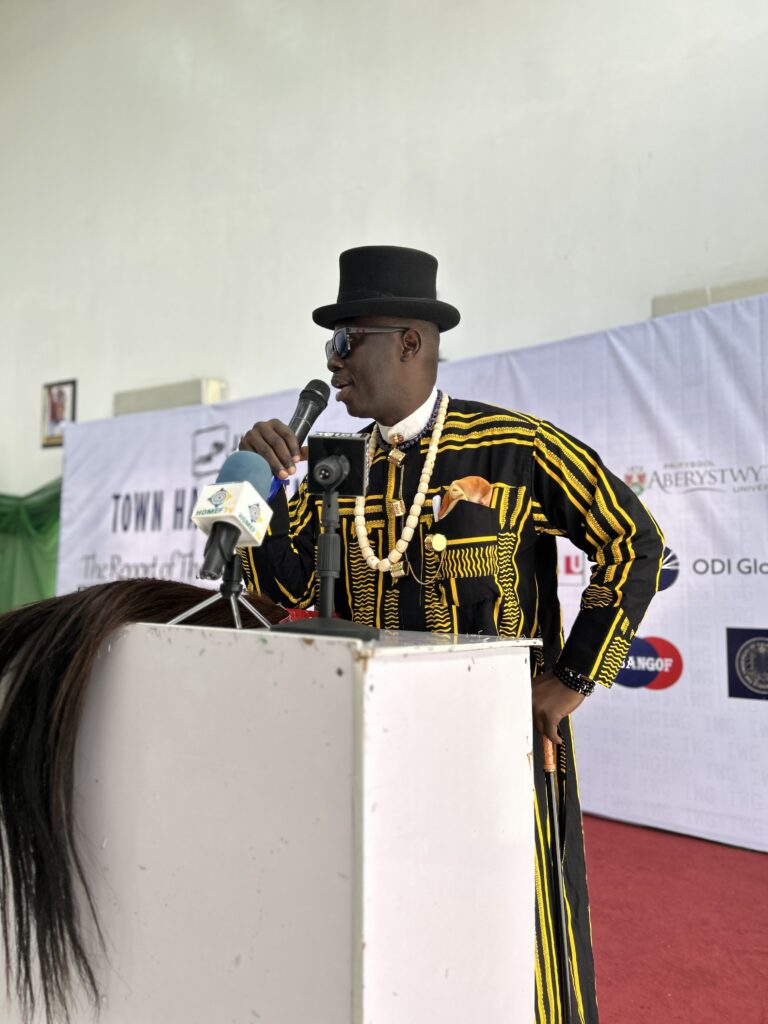
A major highlight of the meeting was the intervention of His Royal Majesty King Bubaraye Dakolo, Agada IV, Chairman of the Bayelsa State Traditional Rulers Council, who chaired the proceedings.
King Dakolo situated the discussion within the wider struggle of Bayelsa communities for environmental justice, emphasizing that the report represented one of the most significant attempts ever made to document the true costs of oil extraction in the Niger Delta.
He stressed that while the report had been produced through rigorous scientific investigation and extensive community engagement, its impact would ultimately depend on the willingness of Bayelsans themselves to champion its recommendations.
The monarch warned against allowing the report to become another well-researched document that fails to influence public policy. He encouraged communities, traditional institutions, civil society organizations, youth groups, and government officials to continue promoting its findings and demanding implementation.
His intervention reflected a central theme that emerged throughout the meeting: environmental justice cannot be achieved through expert reports alone; it requires organized public action and sustained political engagement. King Dakolo also drew attention to growing concerns about the public health consequences of pollution. He noted that many communities continue to experience illnesses that residents associate with long-term exposure to contaminated environments and called for greater attention to the health dimensions of the crisis
Presentation of the Bayelsa Commission Findings
Members of the International Working Group (IWG) on Petroleum Pollution and Just Transition in the Niger Delta, some of whom served on the Expert Working Group of the former Bayelsa Commission, presented core findings from the Bayelsa State Oil and Environmental Commission.
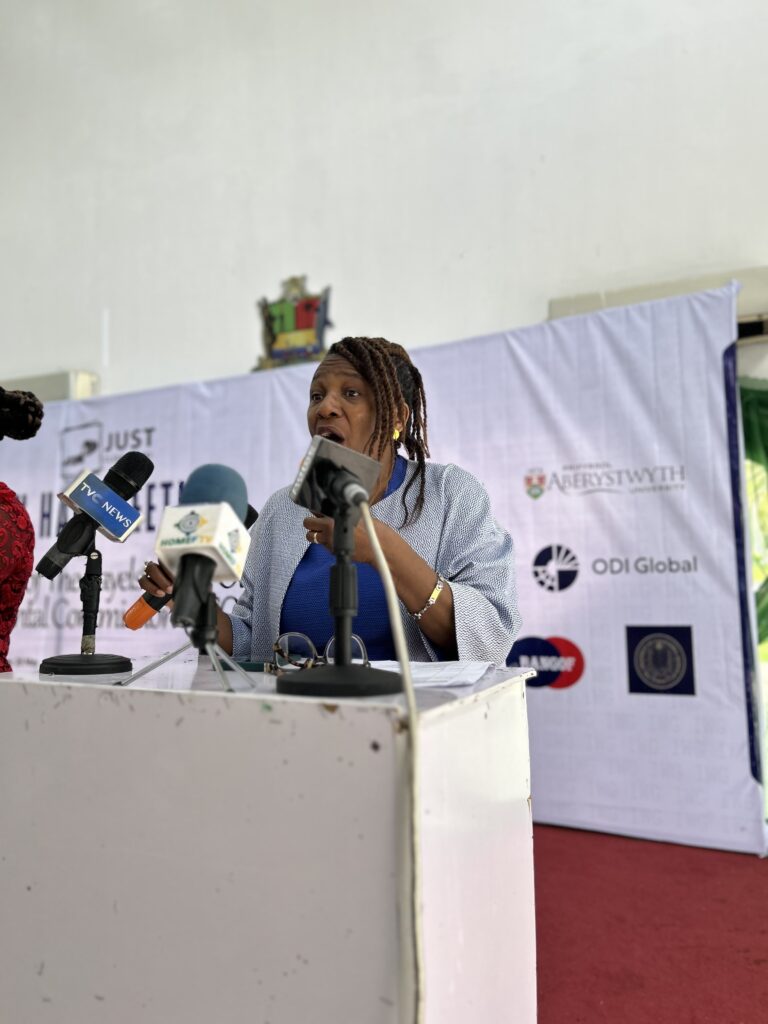
In presentations by Professor Anna Zalik, Professor Michael Watts, Dr. Kathryn Nwajiaku-Dahou, Professor Engobo Emeseh and Dr. Isaac ‘Asume’ Osuoka, participants were reminded that Bayelsa State accounts for approximately one-quarter of all recorded oil spills in Nigeria and that the state’s environmental burden is among the highest anywhere in the world. The presentations highlighted evidence that spill rates in Nigeria are significantly higher than those recorded in major oil-producing jurisdictions such as Canada and the European Union.
Participants were informed that between 2006 and 2020, approximately three-quarters of recorded spills in the Niger Delta were associated with the operations of Shell Petroleum Development Company and the Nigerian Agip Oil Company.
The presentations also examined the extensive ecological damage caused by decades of oil production. Participants heard that approximately 40 percent of mangrove forests in Bayelsa and surrounding areas have been lost since the commencement of commercial oil production, while numerous species have disappeared from heavily contaminated ecosystems.
The environmental consequences were linked directly to the destruction of livelihoods, given that approximately 70 percent of Bayelsa’s population depends on farming and fishing for survival.
Public Health Findings Generate Intense Discussion
The health findings of the Commission generated some of the most intense discussions of the day. Participants reviewed evidence showing widespread contamination of soil, water, sediments, and human tissues by pollutants associated with hydrocarbon extraction and processing.
Studies conducted for the Commission detected elevated levels of toxic substances, including lead and chromium, in affected communities. Groundwater samples collected in some locations contained chromium concentrations exceeding World Health Organization standards by factors ranging from forty to more than one thousand times acceptable levels.
The meeting also heard that every groundwater sample tested for polyaromatic hydrocarbons exceeded WHO safety limits, with some locations exceeding those limits by extraordinarily high margins. Researchers explained that these contaminants enter the food chain and ultimately accumulate in human bodies, creating long-term health risks.
Participants discussed evidence linking pollution exposure to respiratory illnesses, chronic diseases, reproductive health challenges, childhood malnutrition, elevated mortality rates, and reduced life expectancy.
Particular concern was expressed about findings suggesting that Bayelsa residents continue to face significant exposure to contaminated air, water, and food sources on a daily basis.
The discussion reinforced a major conclusion of the Commission: the environmental crisis in Bayelsa is simultaneously a public health crisis.
Government Representatives Respond
Representatives of the Bayelsa State Government and the State House of Assembly participated actively in the discussions and acknowledged the seriousness of the Commission’s findings.
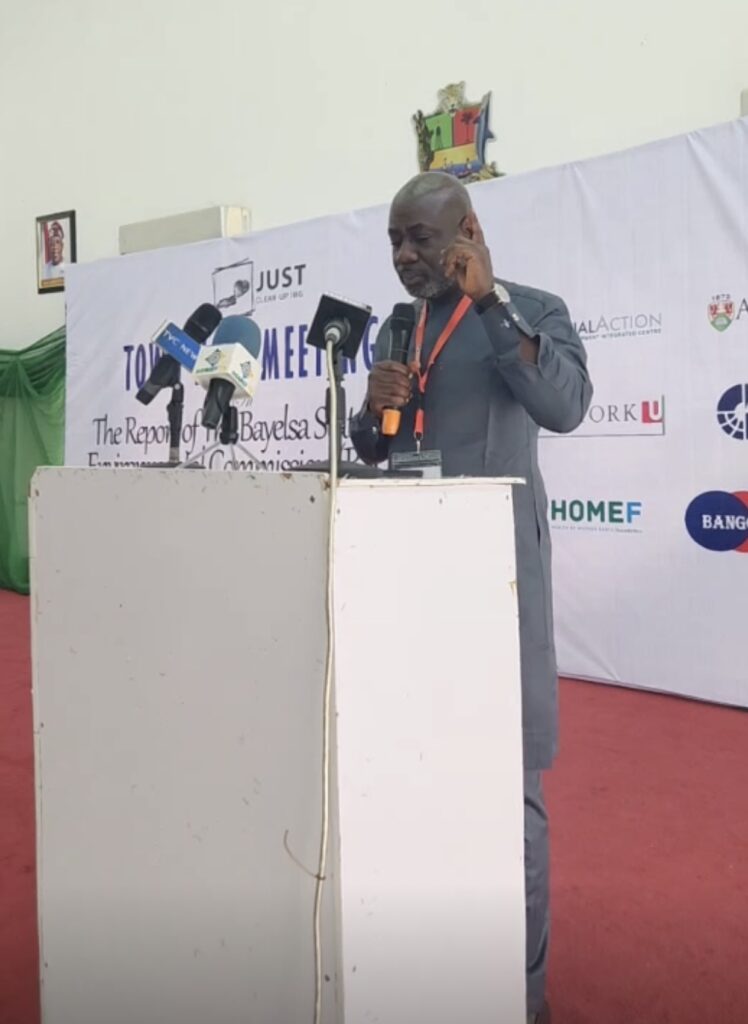
The Bayelsa State Commissioner of Environment, Hon. Ebi Ben-Ololo expfressed recognition of the importance of the report as a strategic framework for environmental restoration and policy development. Discussions highlighted the need for stronger collaboration between state institutions, federal agencies, host communities, civil society organizations, and development partners.
Representing the Bayelsa State House of Assembly, Hon. Chief (Mrs) Ebizi Ndiomu-Brown lamented that many oil and gas sector governance issues remain under federal jurisdiction but emphasised the role that state institutions can play in advocacy, oversight, public awareness, environmental monitoring, and community engagement.
Participants welcomed indications that relevant government institutions remain interested in advancing discussions around implementation of the Commission’s recommendations and strengthening environmental governance mechanisms.
The meeting also heard calls for stronger state-level engagement with federal regulators and oil industry operators, particularly in relation to pollution monitoring, remediation, and accountability.
Community Representatives Speak Out
One of the most important aspects of the town hall meeting was the participation of community representatives from affected areas. Community participants described the daily realities of living in polluted environments and expressed frustration that many of the challenges documented by the Commission have persisted for decades. Speakers recounted the decline of fisheries, contamination of water sources, loss of productive farmland, and deterioration of local economies. Many participants noted that while communities have repeatedly reported spills and environmental incidents, responses from operators and regulators have often been slow or inadequate.
Community representatives also emphasized that the environmental crisis extends beyond ecological damage. They spoke about the social consequences of pollution, including poverty, unemployment, migration, social tensions, and declining confidence in public institutions.
Several participants stressed the need for stronger community education and public awareness efforts so that local residents can better understand the findings of the Commission and use them as tools for advocacy.
The discussion repeatedly returned to the importance of unity among affected communities. Participants acknowledged that divisions within host communities often weaken collective advocacy efforts and reduce their ability to demand accountability from oil companies and regulators.
.The International Working Group Reviews Progress
Members of the International Working Group on Petroleum Pollution and Just Transition in the Niger Delta used the occasion to review progress made since publication of the report.
Participants heard how the IWG has worked to promote awareness of the Commission’s findings both nationally and internationally, support strategic litigation, commission additional research, engage policymakers, and advocate for stronger accountability in the context of ongoing oil company divestments.
The meeting was informed of efforts to influence policy discussions within institutions such as NUPRC and NEITI and to ensure that environmental remediation remains central to discussions concerning oil asset transfers.
The contributions of IWG members, including Dr. Isaac Osuoka, Dr. Kathryn Nwajiaku-Dahou, Reverend Nnimmo Bassey, Professor Anna Zalik, Professor Michael Watts, Professor Engobo Emeseh, and Dr. Emem Okon, were acknowledged as part of a broader effort to build momentum for implementation of the Commission’s recommendations.
Divestment Emerges as a Major Concern
Another significant theme throughout the meeting was the ongoing divestment of multinational oil companies from onshore assets in the Niger Delta. Participants expressed concern that major oil companies could exit the region without adequately addressing environmental liabilities accumulated over decades of operation.
There were repeated calls for regulatory authorities to ensure that environmental remediation, decommissioning obligations, and community protection measures are fully addressed before any transfer of assets is completed. Participants argued that divestment should not become a mechanism through which polluters escape responsibility for environmental damage.
Recommendations and Next Steps
The meeting concluded with strong support for implementation of the ten recommendations of the Bayelsa Commission.
Participants endorsed calls for a comprehensive Bayelsa Clean-Up and Recovery Plan, the establishment of a Bayelsa Recovery Fund and Recovery Agency, stronger compensation mechanisms for affected communities, regulatory reform, improved legal frameworks, enhanced roles for state governments, stronger scrutiny of oil company practices, more transparent community engagement processes, and effective decommissioning regimes.
There was broad agreement that implementation would require collaboration among communities, government institutions, civil society organizations, researchers, traditional authorities, and international partners.
Conclusion
The Town Hall Meeting demonstrated the continued relevance and urgency of the Bayelsa State Oil and Environmental Commission Report. More than three years after its publication, the report remains the most comprehensive assessment of the environmental and public health consequences of oil extraction in Bayelsa State.
Participants left the meeting with a renewed determination to ensure that the Commission’s findings do not remain confined to reports and presentations but are translated into policies, programmes, and actions capable of restoring damaged ecosystems, protecting public health, rebuilding livelihoods, and securing justice for communities affected by decades of environmental degradation.
The gathering reinforced a simple but powerful message: the people of Bayelsa and the Niger Delta deserve clean water, healthy air, restored livelihoods, and an environment capable of sustaining future generations. Achieving those goals will require not only scientific evidence and policy recommendations, but also sustained public engagement, political commitment, and collective action.