THE LAND SPEAKS: Songs, Dances and Testimonies for Ecological Justice in the Niger Delta
-
by
Peter Mazzi
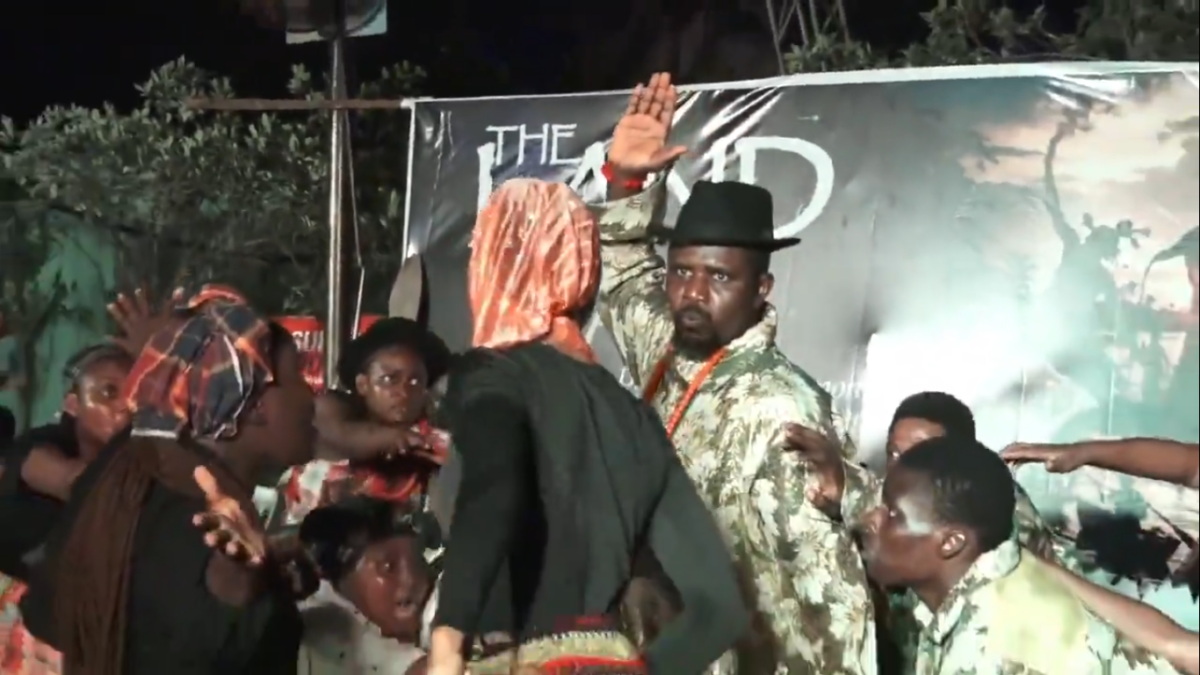
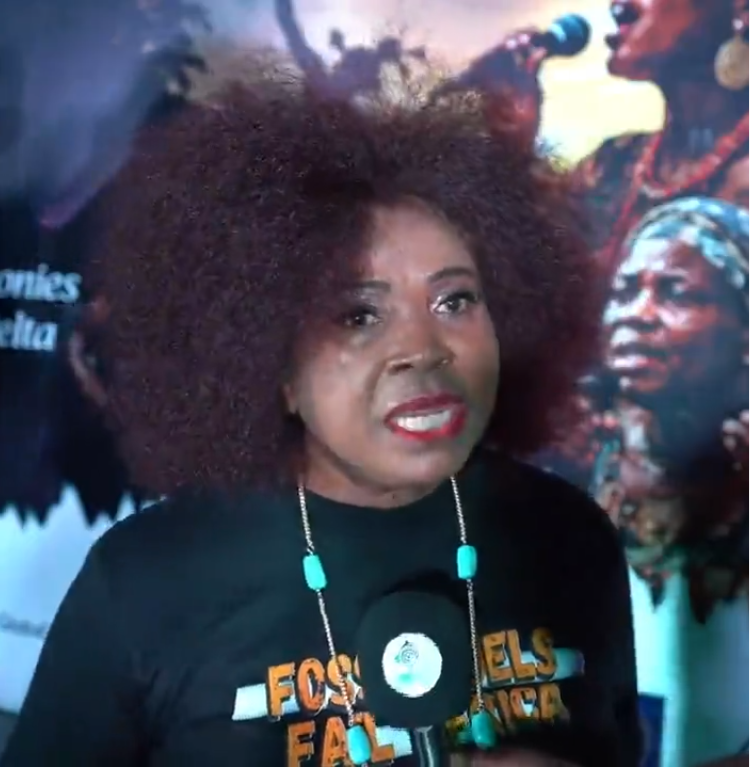
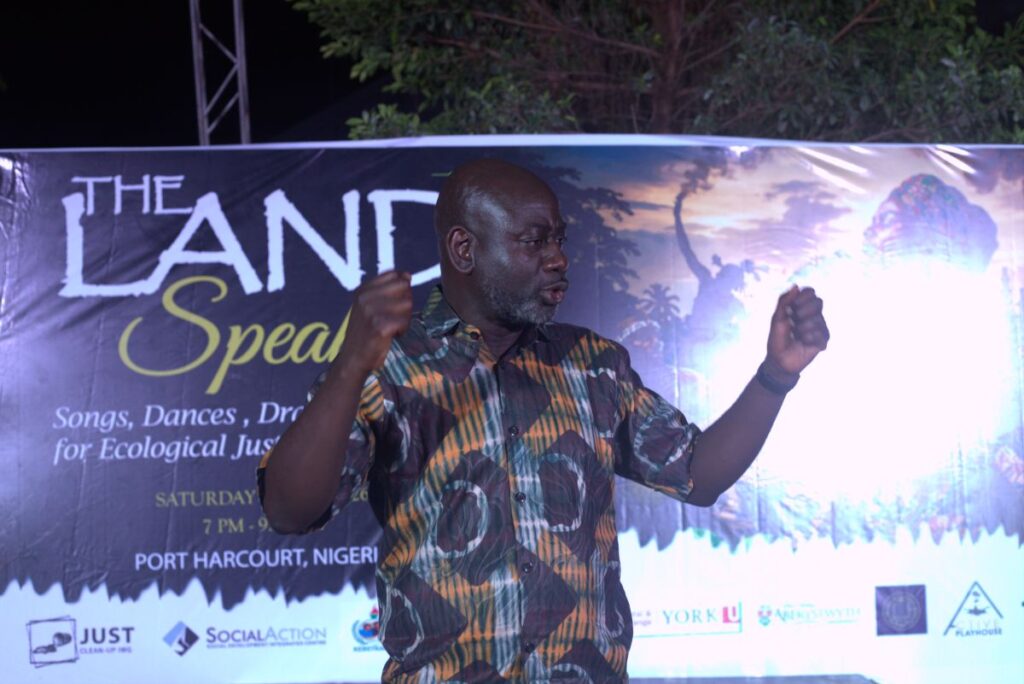
The evening themed “The Land Speaks: Songs, Dances and Testimonies for Ecological Justice in the Niger Delta”was more than a cultural event; it was a powerful expression of collective memory, grief, resistance, and hope. Through music, dance, poetry, drama, testimonies, and lamentations, artists, activists, and community members from across the Niger Delta transformed the stage into a platform where the land itself seemed to speak.
For generations, art has remained one of humanity’s most powerful tools for storytelling. Through art, communities narrate their histories, preserve their memories, express their pain, and envision a better future. In the Niger Delta, where decades of oil extraction have left deep environmental, social, and economic scars, art has become a vital instrument for truth-telling and advocacy. The Night of Lamentation provided poets, activists, performers, and cultural groups from the region the opportunity to employ their craft to communicate the devastating realities of environmental degradation and its enduring consequences on the lives of the people.
The programme commenced with the haunting cry of the town crier, performed by Joy Edingbe. Her voice echoed through the venue, symbolically summoning the people to gather and bear witness to the stories of their land. The call resonated like an ancestral alarm, inviting participants into an evening of reflection, remembrance, and collective action.
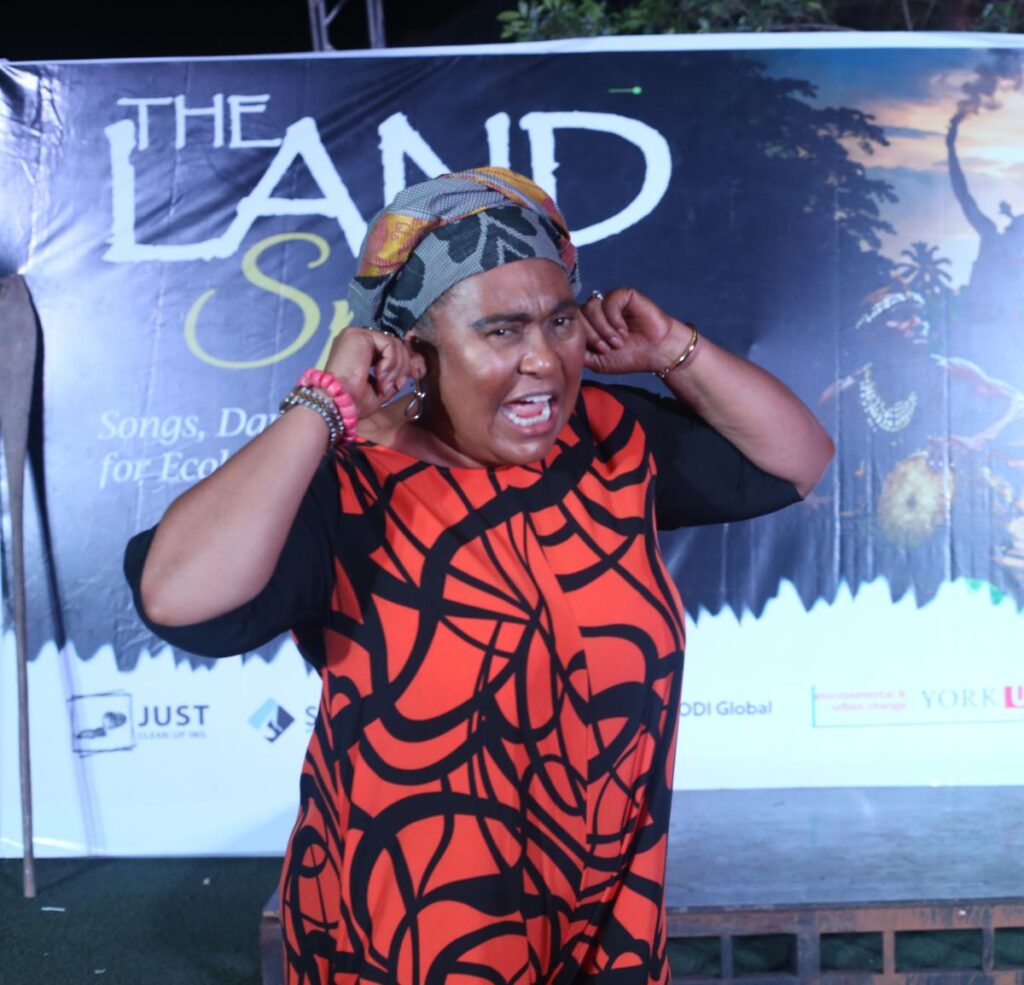
Following this opening was a captivating performance by veteran Nollywood actress Hilda Dokubo, who served as the spokesperson and chief orator of the night. With remarkable emotion and theatrical brilliance, she narrated the story of the Niger Delta people, their suffering, resilience, and ongoing struggle for justice. Speaking with profound melancholy, she recounted the pains associated with decades of oil extraction and fossil fuel exploitation, including the current challenges surrounding Bille (repeatedly saying “Bille is on Fire”) and other oil-producing communities. Her performance gave voice to communities whose cries have often been ignored.
Through dramatic storytelling, she declared that the Niger Delta would no longer remain silent. She challenged the political and economic structures that have benefited from the region’s vast resources while neglecting its people. Her message was directed at successive governments and powerful interests that have turned deaf ears to the suffering of the communities, content to continue profiting from what she described as the “fowl that lays the golden egg.” Her powerful performance was met with deep reflection and applause, setting the tone for the evening.
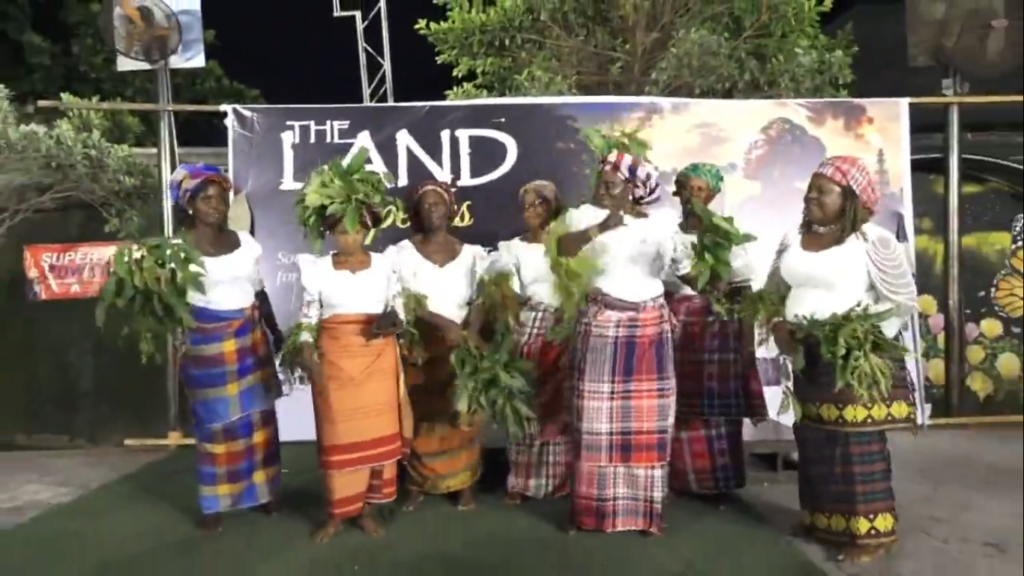
The stage then welcomed the Ogoni Women Group, whose performance combined dance, spoken word, and symbolism to highlight the devastating effects of oil pollution on Ogoniland. Highlighting the importance of the native Ogoni day “Miideekor” Their presentation reminded the audience that the Ogoni struggle remains one of the most visible symbols of environmental injustice in the Niger Delta.
The women paid tribute to the sacrifices made by the Ogoni people and their fallen heroes, particularly Ken Saro-Wiwa, whose fight for environmental justice continues to inspire movements across the world. Through song and dance, they spoke of lost livelihoods, contaminated lands, and restricted access to once-productive environments. Particularly striking was the symbolic use of leaves tied around their upper arm. According to the performers, the leaves represented prohibition and exclusion—a warning that any land where the grass is tied, people can no longer freely access or use that land. It was a moving representation of how pollution has alienated communities from the very environment that once sustained them.
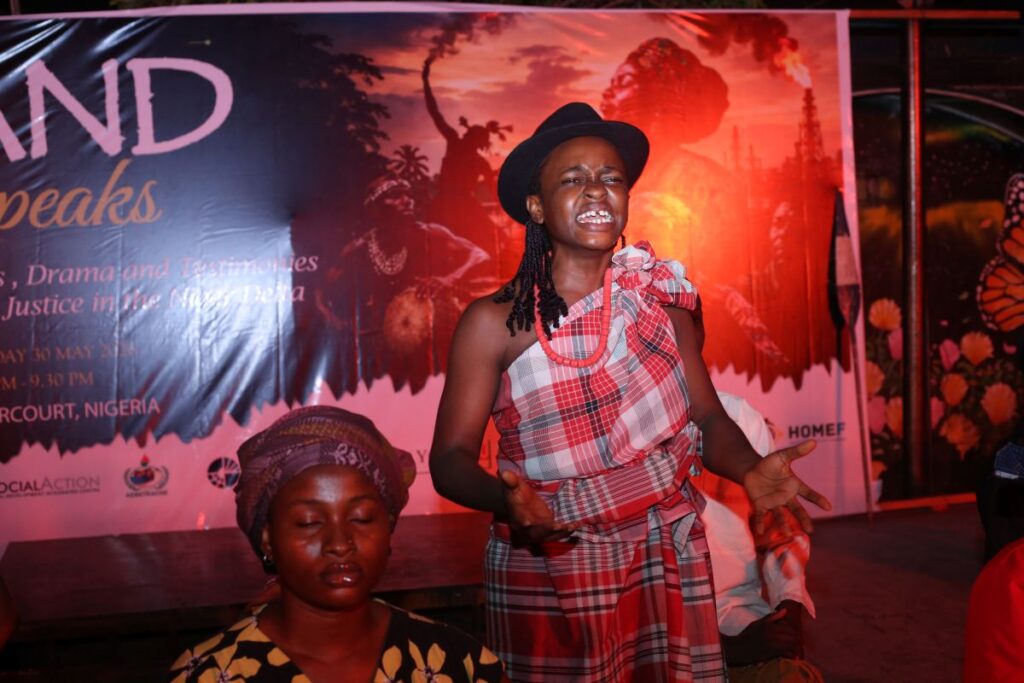
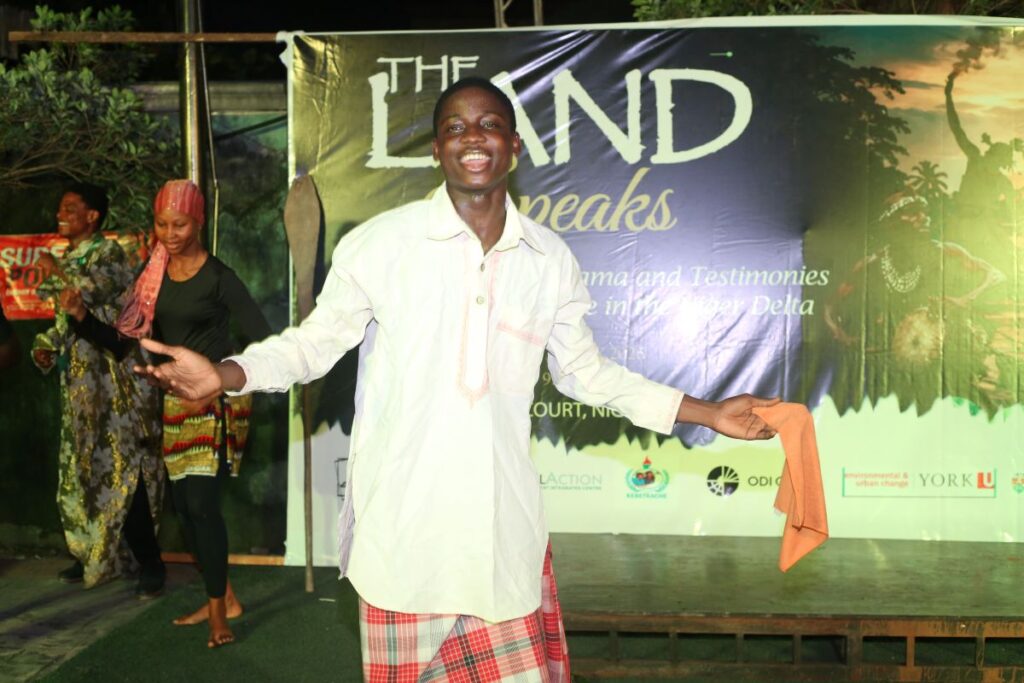
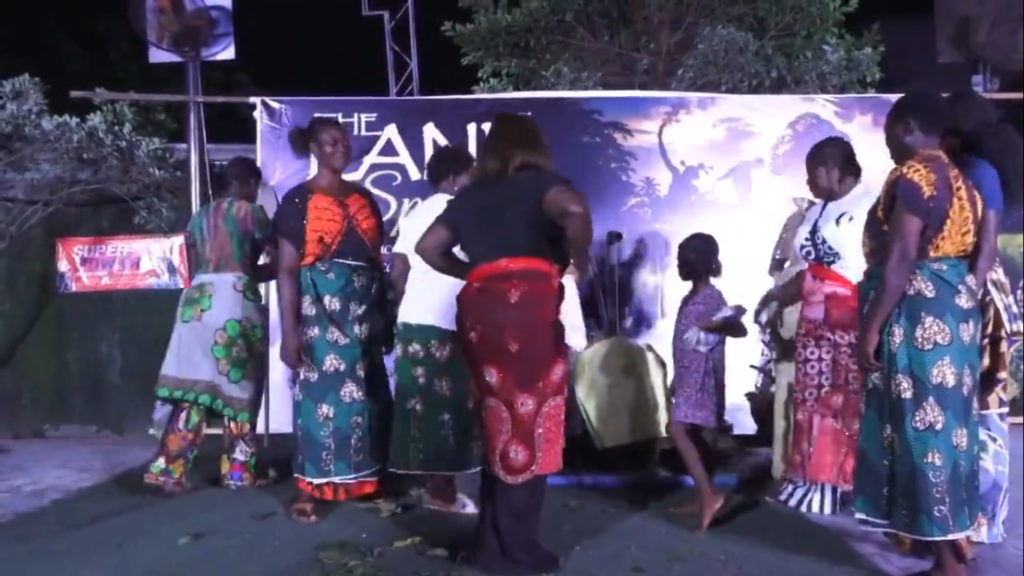
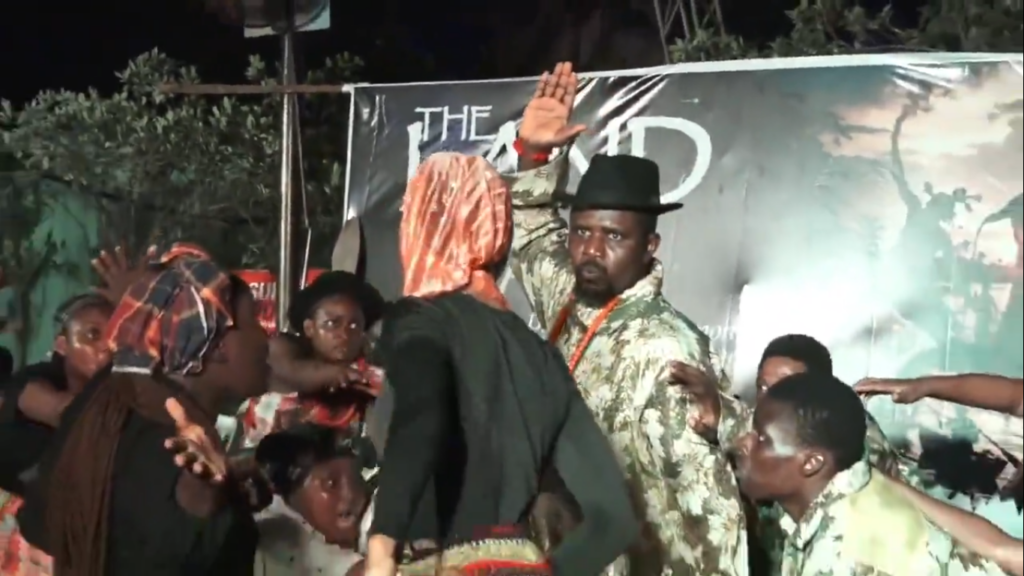
The emotional intensity continued with a dance drama by the Otuabagi Cultural Group. Their performance depicted the arrival of International Oil Companies (IOCs) into the Otuabagi community. Through dance and theatrical expression, they portrayed how oil companies arrived bearing promises of development, prosperity, and transformation. The communities welcomed them with excitement and opened their homes and lands in anticipation of progress.
However, the promises never materialized.
At the centre of the performance was a young woman who symbolized the community itself—beautiful, vibrant, and full of promise. As the performance unfolded, she was gradually stripped of her adornments and dignity, representing the relentless extraction of resources from the Niger Delta without corresponding development or restoration. By the end of the presentation, the audience was left confronting the painful reality of a region that has given so much yet received nothing in return.
The performance evoked memories of polluted rivers, destroyed farmlands, gas flaring, and the daily struggles faced by communities throughout the Niger Delta. Many participants, including members of the International Working Group on Petroleum Pollution and Just Transition in the Niger Delta (IWG), Social Action, and Health of Mother Earth Foundation (HOMEF), found deep resonance in the stories being told. The performances reflected realities that these organizations continue to document, advocate against, and seek to transform.
Another remarkable aspect of the evening was the presentation of poetry by activists and poets who performed in both English and indigenous languages. Among the most memorable was the poem titled “AMOSU”, meaning Devil. Delivered in a local dialect, the poem drew attention to the destructive impact of oil exploitation on communities.
The poem echoed the famous words of environmental activist Nnimmo Bassey: “We thought it was oil, but it was blood.”In the poem, AMOSU represented the oil companies that arrived disguised as saviours but ultimately became agents of destruction. What communities initially welcomed as a source of progress revealed itself to be a force that came to steal, kill, and destroy. Through vivid imagery and powerful language, the poem captured the betrayal, grief, and disappointment experienced by countless Niger Delta communities.
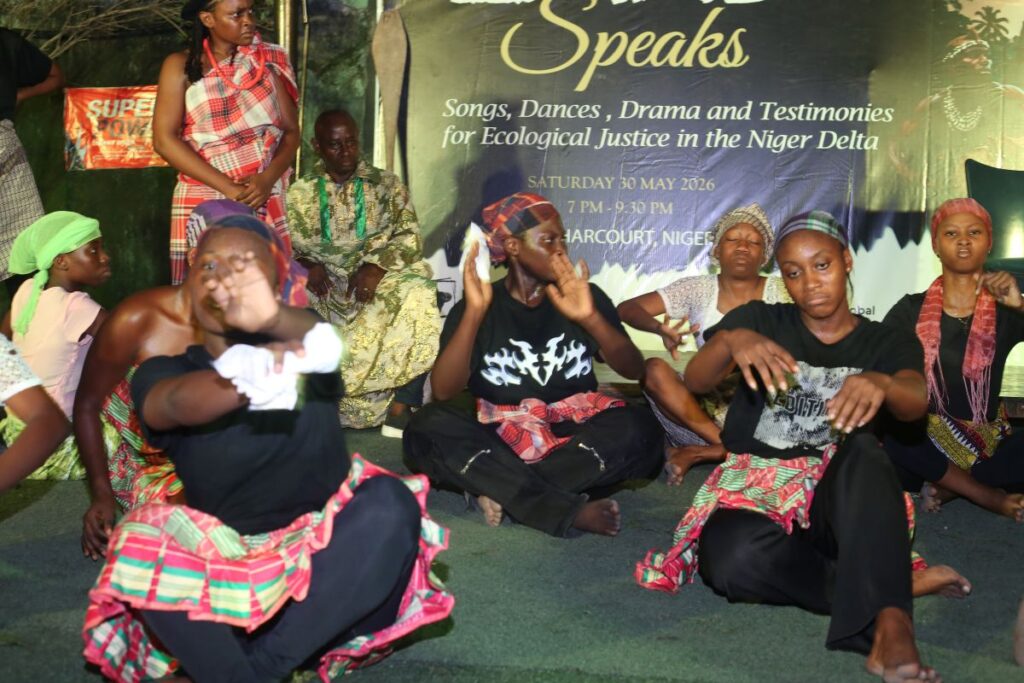
Adding another powerful voice to the evening was Tijah Bolton-Akpan, Executive Director of Policy Alert and a respected activist, who performed a poem titled “Spill.” His work painted a vivid picture of oil spills and their devastating impacts on the people and environment of the Niger Delta. The poem described poisoned waters, dying ecosystems, ruined livelihoods, and the resilience of communities that continue to endure despite repeated environmental disasters.
Yet, amidst the sorrow and lamentation, there was also hope.
Dr. Catherine Nwaja brought a message of reassurance through song. Her moving rendition reminded participants that change remains possible and that a brighter future can emerge from the struggle. Through music, she inspired the audience to continue believing that justice, healing, and restoration can still come to the Niger Delta.
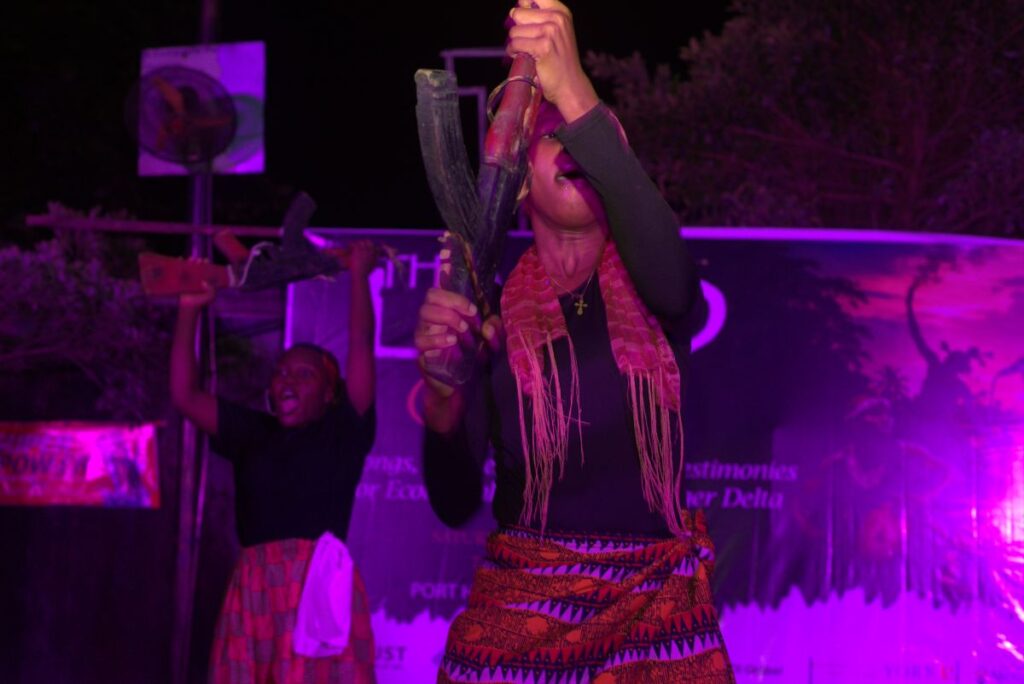
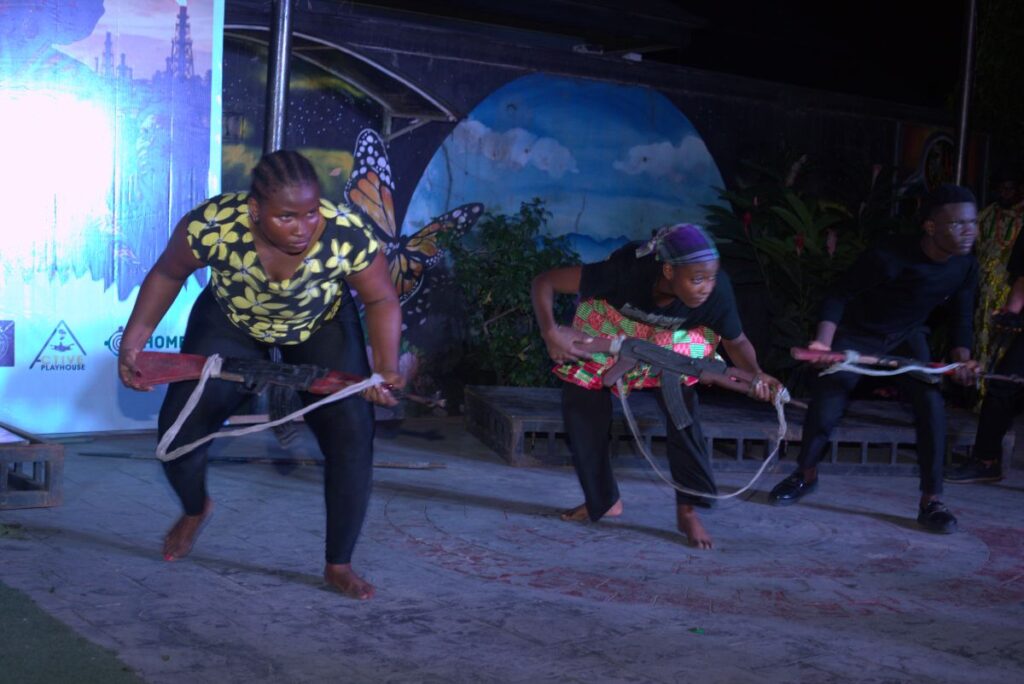
Another unforgettable highlight of the evening was the performance titled The effect of oil pollution and the struggle of the Niger Delta by the student activist theatre group from the University of Port Harcourt. Through their creative and thought-provoking presentation, the students captivated the audience and demonstrated the important role young people continue to play in environmental advocacy and social transformation. Their performance reflected a new generation that refuses to be silent in the face of ecological injustice and is prepared to use creativity as a tool for resistance and change.
As the night drew to a close, participants were left in a state of deep reflection. The performances had exposed painful truths, honoured the memories of those lost, celebrated the resilience of communities, and renewed hope for a more just future. More importantly, the evening demonstrated that art remains a powerful vehicle for advocacy, awareness, and social change.
For the International Working Group on Petroleum Pollution and Just Transition in the Niger Delta (IWG) and Social Action, the event reaffirmed a fundamental belief: that art possesses the power to communicate complex realities in ways that statistics, reports, and policy papers often cannot. Through song, dance, poetry, theatre, and storytelling, communities can articulate their experiences, challenge injustice, preserve their histories, and mobilize action.
“The Land Speaks” was therefore not merely an entertainment event. It was an act of remembrance, resistance, and reclamation. It was a collective declaration that the people of the Niger Delta will continue to tell their stories, demand justice, and speak for the land until their voices are heard and meaningful change is achieved.
This expository event came to an end with the speech of, Dr. Isaac Osuaka who reaffirmed the reality of the struggles in the Niger Delta as he urged participants to keep their advocacy steadfast. He also appreciated and acknowledged partnered organizations, the International Working Group and principal persons involved in making the program a success.