Report on the Technical and Stakeholder Engagement on Environmental Pollution, Public Health, and Community Action in Bayelsa State
-
by
Peter Mazzi
Introduction
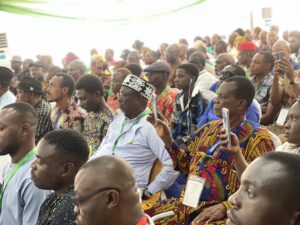
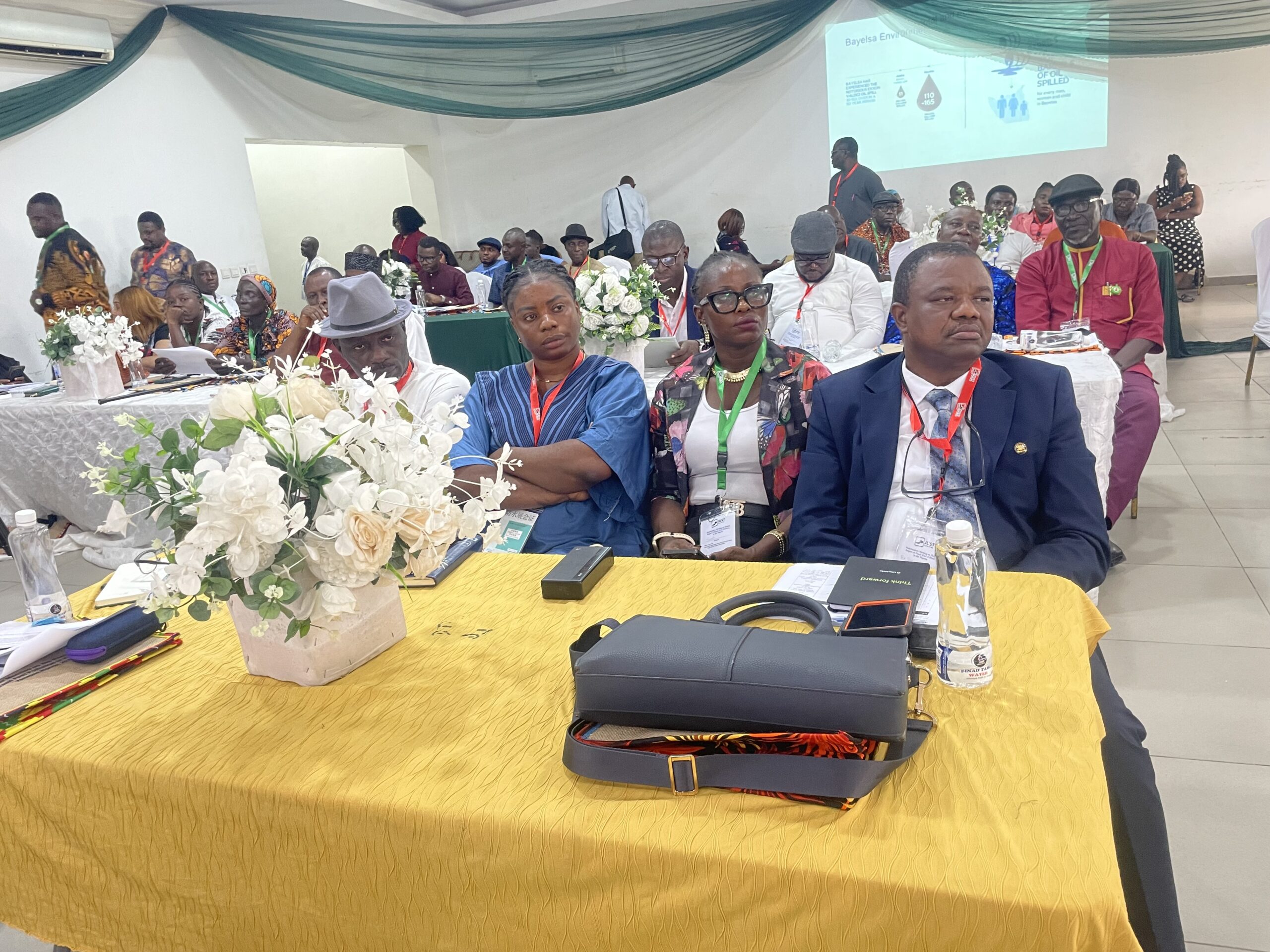
A multi-stakeholder technical engagement and consultation meeting was convened in Bayelsa State as part of ongoing efforts to advance discussions around environmental pollution, public health, and implementation of the recommendations of the Bayelsa State Oil and Environmental Commission Report.
The meeting brought together technical experts, researchers, public health professionals, civil society organizations, environmental advocates, community representatives, academics, and members of the International Working Group (IWG). Participants also included representatives from research institutions, development organizations, and grassroots movements working on environmental justice and public health issues in the Niger Delta.
The engagement created a platform for scientific reflection, policy discussions, evidence-sharing, and stakeholder collaboration around the long-term environmental and health impacts of oil pollution in Bayelsa State and the wider Niger Delta region.
The discussions focused heavily on pollution-related health challenges, scientific methodologies for environmental assessment, gaps in environmental governance, community experiences, remediation needs, and pathways for coordinated action.
Opening Session and Purpose of the Engagement
The program commenced with the introduction of technical teams and partner organizations participating in the engagement. Key institutions represented included Oasis Public Health Consulting Limited, (ODI) and the International Working Group, alongside several public health researchers, environmental toxicologists, sociologists, and environmental management experts.

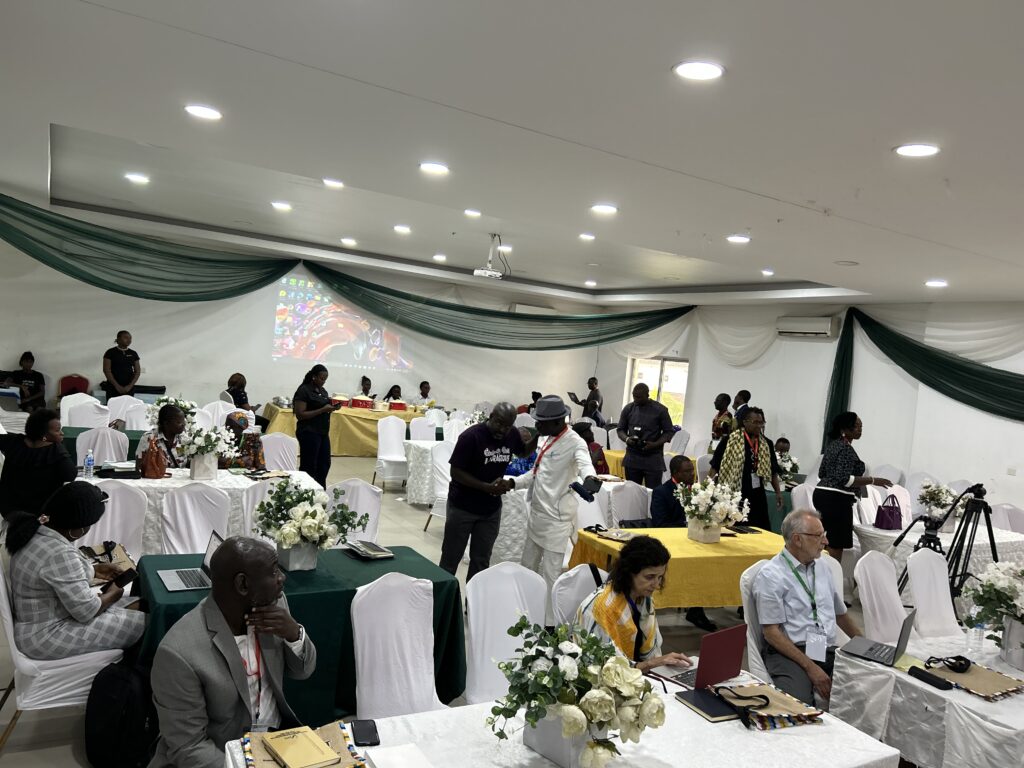
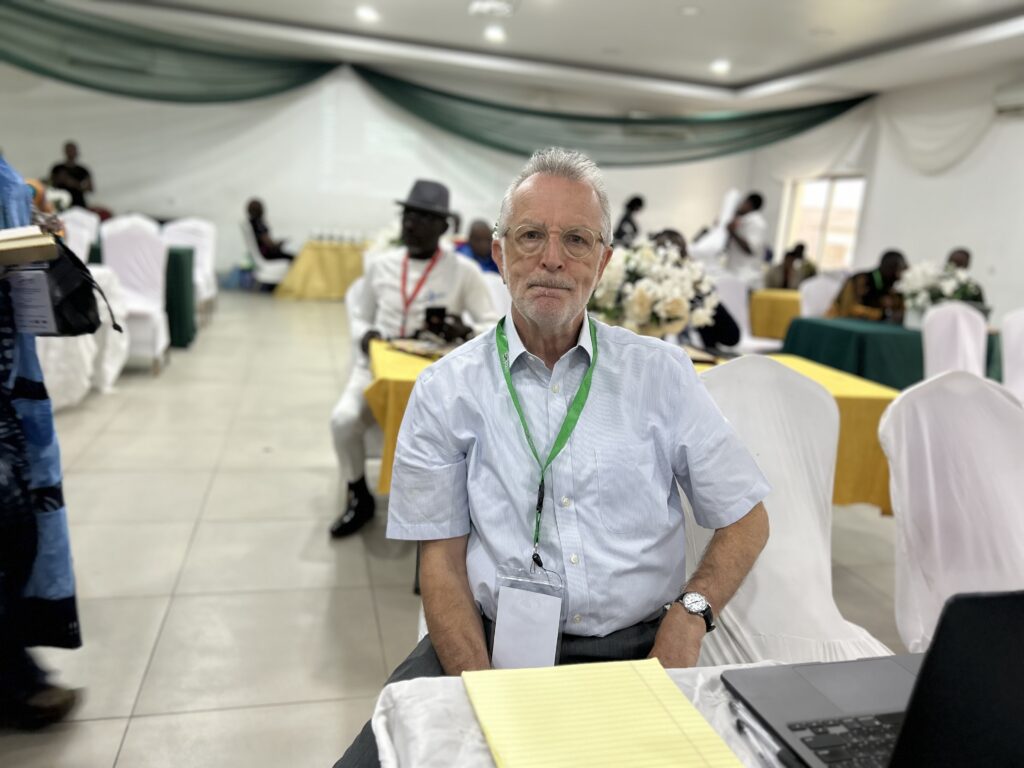
During the opening deliberations, participants reflected on the release of the Bayelsa Oil and Environment Commission Report and the importance of sustaining momentum around implementation of its recommendations.
Stakeholders emphasized that while the report extensively examined the environmental and health consequences of pollution in Bayelsa State, there remains a critical need for continued research, stronger advocacy, institutional accountability, and practical remediation efforts.
The meeting also sought to strengthen collaboration among researchers, civil society organizations, health professionals, and affected communities while creating opportunities for knowledge exchange and coordinated intervention planning.
Technical Presentations and Scientific Findings
Public Health Research and Environmental Exposure
Technical presentations focused extensively on the Public Health implications of prolonged exposure to hydrocarbon pollution and toxic substances in affected communities.
Researchers explained that the environmental crisis in Bayelsa State cannot be addressed solely through surface-level observations. Instead, there is a need for systematic scientific studies capable of generating internationally recognized evidence regarding pollution exposure and health outcomes.
Experts stressed the importance of adopting internationally accepted research protocols, including proper sample collection, chain-of-custody procedures, laboratory management systems, and biomarker assessments capable of measuring pollution-related exposure in human populations.
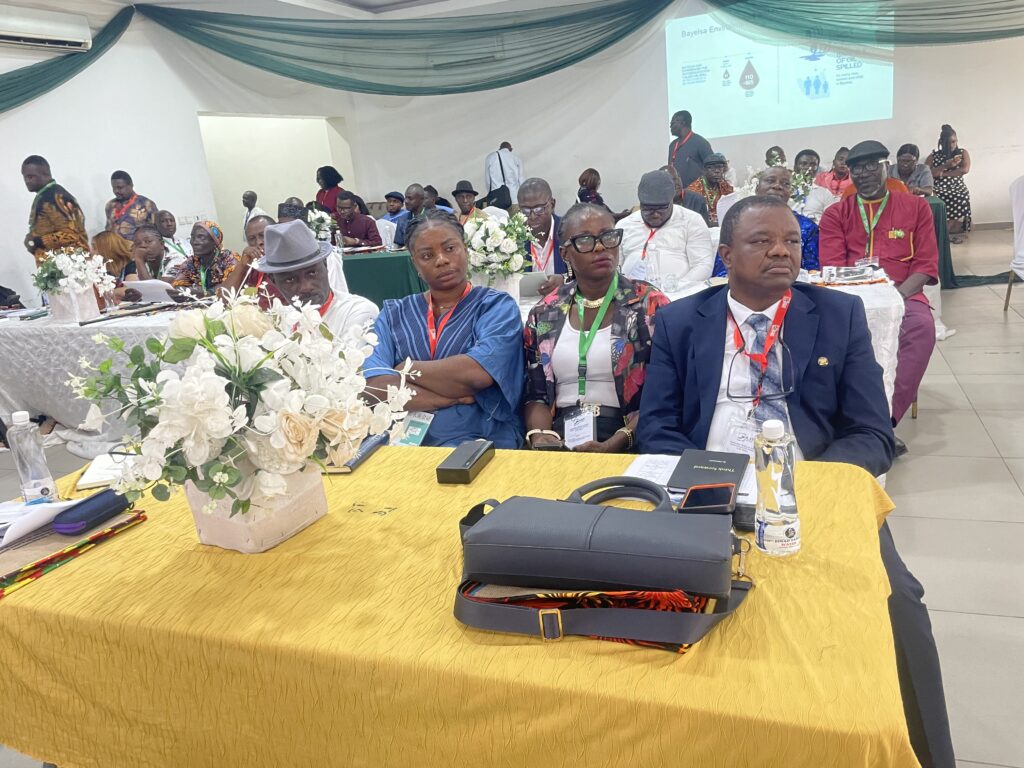
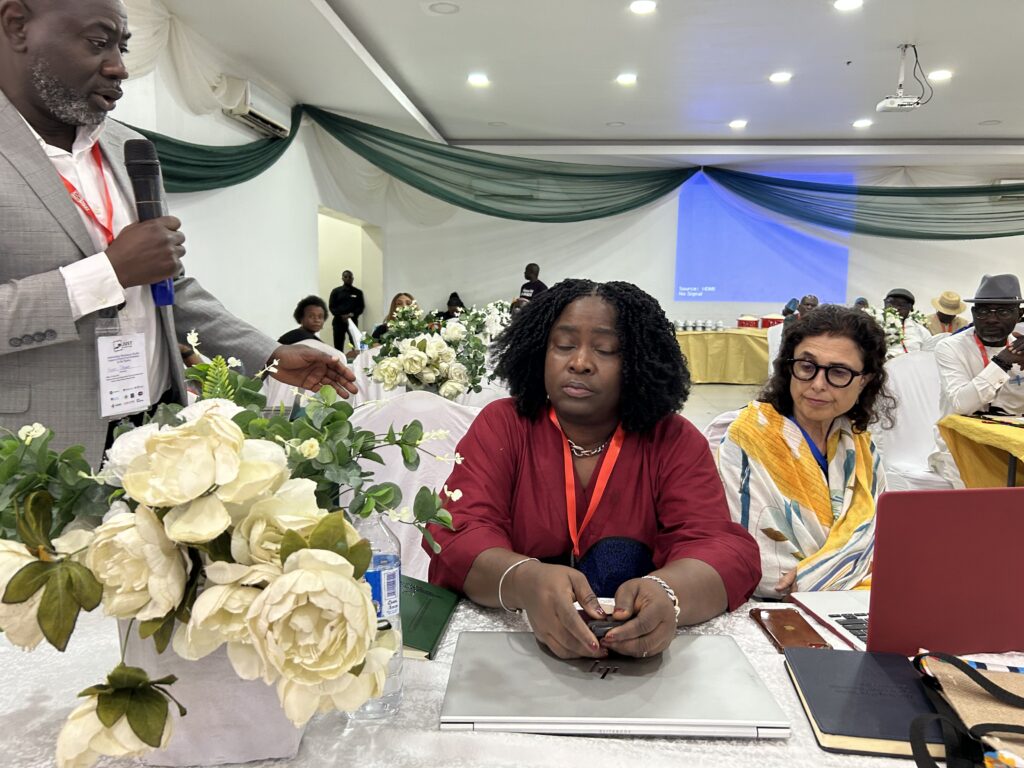
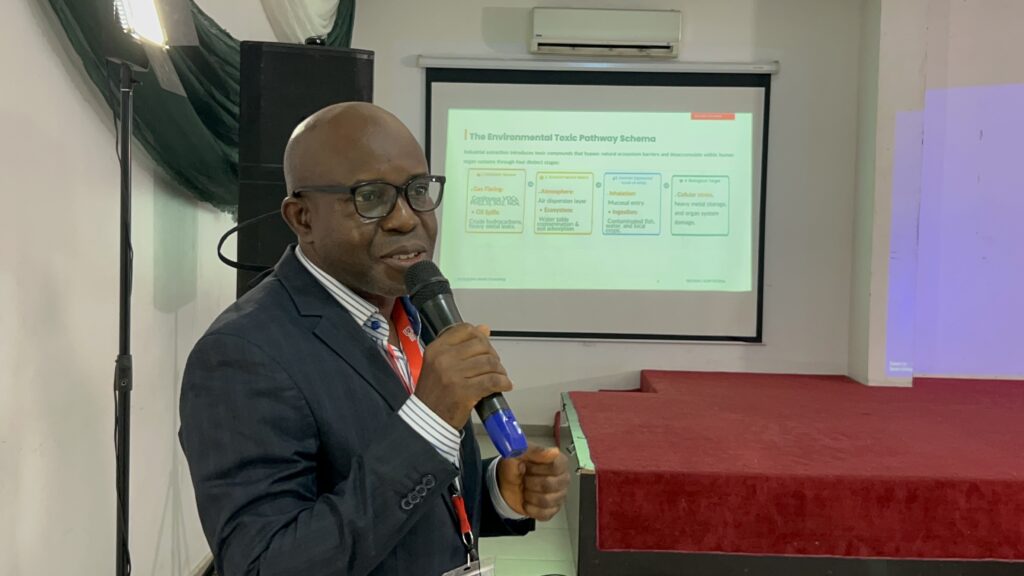
The meeting highlighted the significance of biomarkers linked to cancer, endocrine disruption, respiratory illnesses, and neurological disorders associated with hydrocarbon exposure.
Participants also discussed the dangers posed by heavy metals such as lead, mercury, cadmium, arsenic, and chromium, all of which are known to contribute to serious health complications including reduced cognitive function in children, reproductive health disorders, neurological damage, and chronic illnesses.
Concerns Around Research Integrity and Laboratory Independence
Several technical experts raised concerns about the credibility and independence of some environmental laboratories involved in pollution assessments within the Niger Delta.
Participants warned that some laboratories may be compromised through relationships with multinational oil companies, thereby affecting the reliability of environmental test results.
A researcher shared personal experiences of conducting environmental assessments in polluted communities where visibly contaminated water samples were initially declared “safe” by certain laboratories, only for independent testing to later reveal extremely high concentrations of hydrocarbons and toxic substances.
As a result, participants emphasized the importance of independent scientific verification, transparency in research processes, and international partnerships capable of supporting credible and evidence-based environmental assessments.
Findings from Community-Based Health Research
One of the major presentations focused on findings from environmental health studies conducted in oil-impacted communities in Bayelsa State.
Researchers explained that the studies examined soil contamination, water pollution, blood toxicity, crop safety, and broader livelihood impacts associated with prolonged oil exploration activities.
Blood Toxicity and Hydrocarbon Exposure
The research identified extremely high concentrations of Polycyclic Aromatic Hydrocarbons (PAHs) in human blood samples collected from affected residents.
Findings showed that some toxic compounds exceeded internationally accepted safety thresholds by several thousand times, indicating severe levels of long-term exposure to hydrocarbon pollution.
Water Pollution and Unsafe Drinking Sources
Water samples collected from wells, boreholes, and other community water sources revealed significant contamination in several locations.
Researchers reported that many community water systems had become non-functional, forcing residents to depend on polluted water sources for drinking, cooking, and domestic activities.
Soil Degradation and Agricultural Impacts
Soil samples collected near oil facilities and farmlands revealed contamination levels capable of affecting agricultural productivity and food safety.
Participants noted that crops grown in polluted areas often displayed poor growth, rotting roots, and contamination risks that directly affect food security and local livelihoods.
The environmental degradation was linked to declining economic conditions in affected communities, particularly among farmers and fisherfolk who previously depended on natural resources for survival.
Health Consequences in Affected Communities
The engagement highlighted alarming public health challenges associated with environmental pollution.
Researchers documented cases of:
- Respiratory illnesses and chronic coughing.
- Skin diseases and visual impairments.
- Hypertension and cardiovascular complications.
- Reproductive health disorders.
- Abnormal menstrual cycles.
- Increased rates of stillbirths and early infant deaths.
- Poor maternal health outcomes.
- Malnutrition and weakened immune systems.
Participants stressed that women, children, and elderly persons remain among the most vulnerable populations exposed to pollution-related health risks.
The discussions also underscored the psychological and emotional burden experienced by affected communities, particularly individuals living with fear, uncertainty, and prolonged exposure to contaminated environments.
Ongoing and Future Research Initiatives
Researchers disclosed that additional studies are ongoing in several communities across Bayelsa State, including investigations into the health and livelihood impacts of pollution in areas affected by oil extraction and toxic waste disposal.
One proposed study aims to examine the reproductive and respiratory health impacts of oil mining activities on women of reproductive age in heavily polluted communities.
The research is expected to generate evidence capable of informing gender-responsive policies, community advocacy, legal action, and public health interventions.
Participants noted that future research efforts would prioritize participatory action approaches that combine scientific investigation with immediate community-based health interventions wherever possible.
Community Experiences and Grassroots Perspectives
Community participants provided deeply personal reflections on the realities of living in polluted environments.
One participant described growing up in a community where crude oil was traditionally believed to possess healing properties and was even applied directly to the body for medicinal purposes. However, the participant explained that later scientific findings revealed the severe health dangers associated with hydrocarbon exposure, creating fear and concern within affected communities.
Several participants emphasized that while research and documentation are important, communities urgently need practical remediation strategies and local solutions capable of reducing immediate exposure risks.
There were repeated calls for training communities on low-cost remediation approaches, safer water practices, environmental protection strategies, and self-help interventions while awaiting broader institutional action.
Participants also raised concerns about the collapse of community water infrastructure, leaving residents dependent on polluted water sources despite known contamination risks.
Governance, Policy, and Legal Concerns
Stakeholders expressed concern over weak political participation and limited government presence during discussions on environmental justice and public health.
Participants referenced provisions of the Petroleum Industry Act (PIA) 2021 and argued that existing legal frameworks remain insufficient to address the realities faced by host communities.
There were calls for stronger legal language, improved accountability mechanisms, and policies that prioritize environmental protection, healthcare access, and community welfare.
Participants emphasized that communities affected by oil exploration deserve:
- Functional healthcare systems.
- Standard environmental laboratories.
- Safe drinking water.
- Effective remediation programs.
- Adequate compensation mechanisms.
- Stronger environmental governance systems.
Civil society organizations were encouraged to intensify advocacy efforts aimed at strengthening environmental legislation and ensuring proper implementation of existing laws.
Role of the International Working Group
Participants reflected on the transition from the Bayelsa State Oil and Environmental Commission to the establishment of the International Working Group following the release of the Commission’s report.
The International Working Group was described as a collaborative platform established by experts and stakeholders committed to sustaining advocacy, research, stakeholder engagement, and implementation of the Commission’s recommendations.
The engagement formed part of a broader strategy aimed at building interconnected partnerships involving government agencies, researchers, healthcare institutions, civil society organizations, traditional leaders, and community stakeholders.
Key Recommendations
The following recommendations emerged from the engagement:
- Expansion of independent scientific research on environmental pollution and public health impacts in the Niger Delta.
- Strengthening of laboratory independence and internationally recognized research protocols.
- Immediate remediation of polluted water sources, farmlands, and ecosystems.
- Restoration and expansion of safe community water systems.
- Increased investment in healthcare infrastructure and environmental health services.
- Development of community-based remediation and self-help initiatives.
- Greater focus on women’s health and reproductive health impacts in environmental research.
- Stronger environmental governance and legal accountability mechanisms.
- Increased participation of government institutions in environmental justice processes.
- Sustained collaboration between civil society organizations, technical experts, and affected communities.
Conclusion
The technical and stakeholder engagement provided an important opportunity for collective reflection on the devastating environmental and public health consequences of oil pollution in Bayelsa State.
The discussions reinforced the urgent need for evidence-based advocacy, stronger institutional accountability, community participation, and practical remediation strategies capable of addressing decades of environmental degradation in the Niger Delta.
Participants emphasized that environmental justice requires more than documentation and policy discussions. It requires sustained action, scientific integrity, political commitment, and active collaboration among communities, researchers, civil society organizations, and government institutions.
The meeting concluded with renewed determination among stakeholders to continue advancing advocacy, research, public engagement, and implementation efforts aimed at restoring environmental safety, protecting public health, and improving the quality of life of affected communities across Bayelsa State and the wider Niger Delta region.